

Chastetree Benefits & Uses (Vitex agnus-castus)

Chastetree (Vitex agnus-castus), often called vitex, is a deciduous shrub or small tree in the Lamiaceae family. Native to the Mediterranean region and western Asia, it has aromatic palmate leaves, spikes of lavender to lilac flowers, and small dark fruits. The fruit is the part most commonly used in herbal preparations.

In traditional herbal practice, chastetree has long been associated with women’s herbal use and is commonly prepared as a tincture, capsule, or tea. It is one of the better-known traditional herbs in this area of herbalism.

Because it is also an attractive flowering shrub, chastetree is widely grown in warm regions of the United States as both a landscape and herbal plant.

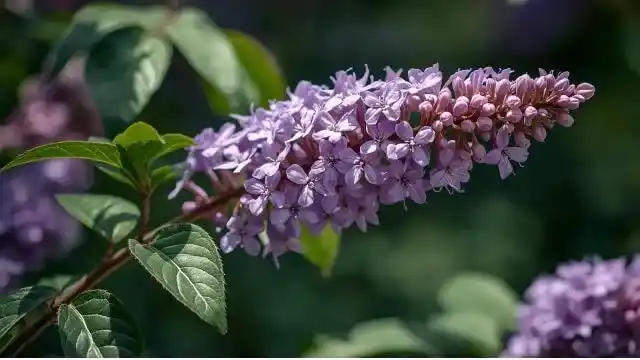
Chastetree Benefits and Traditional Uses

Chastetree has traditionally been used to support:

  • Traditional women’s herbal formulas
  • Fruit-based tinctures and extracts
  • Long-standing reproductive herbal traditions
  • General endocrine-supporting traditions
  • Mediterranean household herbal use

Historically, chastetree fruit was used in European and Mediterranean herbal traditions and later became widely known in modern herbal practice under the name vitex.

“Vitex has long held a place in women’s herbal tradition and Mediterranean household practice.”

— Traditional European herbal reference

Chastetree Preparation Methods

Chastetree can be prepared in several traditional ways:


Tincture

The dried fruits are commonly extracted in alcohol for traditional herbal use.

Part of the plant used: Fruit

Tea

Crushed dried fruits may be steeped in hot water, although tinctures are more common.

Part of the plant used: Fruit

Capsules

Powdered fruit is often used in encapsulated preparations.

Part of the plant used: Fruit

Powder

The dried fruits may be ground for use in traditional formulas.

Part of the plant used: Fruit


Growing Chastetree

Chastetree is a sun-loving shrub or small tree that grows well in warm climates and tolerates heat once established.

  • Prefers full sun
  • Grows best in well-drained soil
  • Suitable for USDA growing zones 6–9
  • Well suited to many southern and warmer temperate regions of the United States
  • Moderately drought tolerant once established

Chastetree is often grown as an ornamental because of its summer flowers and can be pruned into shrub or small-tree form. It performs best where winters are not extremely severe.


Safety Considerations

Chastetree has a long history of traditional use, however herbs associated with hormonal balance should be used thoughtfully.

However:

  • Because chastetree is associated with endocrine and reproductive herbal traditions, it may not be appropriate for everyone.
  • Individuals using hormonal medications or birth control should use caution and seek professional guidance.
  • Use caution where there is a history of hormone-sensitive conditions.
  • Pregnant or breastfeeding individuals should avoid internal use unless advised by a qualified healthcare professional.
  • Digestive upset or headache may occur in some individuals.
  • Always consult a qualified healthcare professional before using chastetree internally.

This information is provided for educational purposes only and is not medical advice.

Image Disclaimer: Images are for reference only and should not be used as the sole method of identification. Always confirm identification with a qualified source.
Frequently Asked Questions
What is chastetree traditionally used for?

Chastetree, often called vitex, is traditionally used in women’s herbal practice. The fruit is the part most commonly included in tinctures, capsules, and other herbal preparations.

What part of chastetree is used?

The fruit is the main part traditionally used. It is usually dried and prepared as a tincture, powder, or capsule.

Is chastetree the same as vitex?

Yes, chastetree and vitex are common names for the same plant, Vitex agnus-castus. Vitex is often the name used on herbal products.

Can chastetree grow in the United States?

Yes, chastetree grows well in many warm regions of the United States, especially in USDA zones 6–9. It is commonly planted as an ornamental flowering shrub or small tree.

Does chastetree have berries?

It produces small dark fruits that are often called berries in general conversation, although they are technically fruits. These are the part most often used in herbal preparations.

Are there safety concerns with chastetree?

Yes, because chastetree is associated with hormonal balance, it should be used carefully by anyone taking hormonal medications or with hormone-related concerns. Professional guidance is appropriate.

Chastetree Benefits, Features and Medicinal Uses

Help Us Improve the Chastetree Page

Do you grow, photograph, study, or work with this plant?

If you have an accurate photo, growing experience, traditional use note, identification detail, correction, or useful source to share, we would love to hear from you.

Your contribution may help improve the accuracy, usefulness, and educational value of this page for other readers.


Share a photo, correction, or plant note →

Botanical Overview

  • Botanical name: Vitex agnus-castus
  • Family: Lamiaceae
  • Plant type: Shrub or small tree
  • Native region: Mediterranean region and western Asia
  • Common names: Chaste tree, vitex, monk's pepper