

Chicory Benefits & Uses (Cichorium intybus)

Chicory (Cichorium intybus) is a perennial herb in the Asteraceae family. Native to Europe, western Asia, and North Africa, it is now widely naturalized in North America. It has bright blue daisy-like flowers, bitter leaves, and a deep taproot. The root and leaves are the main parts traditionally used.

In herbal and culinary traditions, chicory has long been valued as a bitter herb. The root is often roasted for beverage use, while the leaves have also been used in salads and herbal preparations.

Because it readily naturalizes, chicory is a familiar roadside and field plant in many parts of the United States.

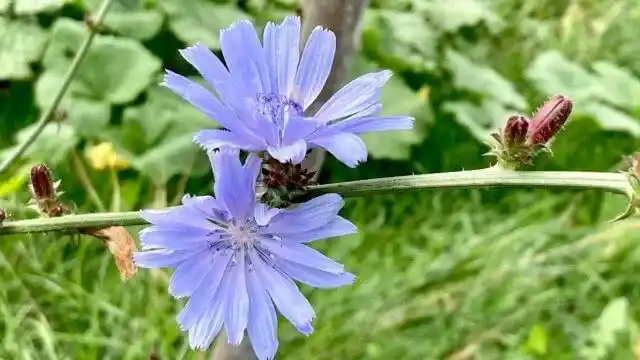
Chicory Benefits and Traditional Uses

Chicory has traditionally been used to support:

  • Traditional bitter digestive use
  • Roasted root beverages
  • Leaf use in food and herbal preparations
  • General digestive herbal formulas
  • European household herbal practice

Historically, chicory has been used in Europe as a bitter herb, salad green, and roasted root beverage plant, giving it an unusually broad place in traditional use.

“Chicory is one of the classic bitter herbs, known alike in field, kitchen, and herbal cup.”

— Traditional European herbal reference

Chicory Preparation Methods

Chicory can be prepared in several traditional ways:


Roasted Root

The cleaned root may be roasted and ground for a traditional coffee-like beverage.

Part of the plant used: Root

Tea or Decoction

Root or leaf may be steeped or simmered in bitter herbal preparations.

Part of the plant used: Root or leaves

Fresh Leaf Use

Young leaves may be used in salads or fresh bitter greens.

Part of the plant used: Leaves

Tincture

The root may be extracted in alcohol as part of traditional bitter formulas.

Part of the plant used: Root


Growing Chicory

Chicory is a hardy perennial herb with a deep taproot that grows well in open sunny sites.

  • Prefers full sun
  • Grows best in well-drained soil and tolerates poor ground once established
  • Suitable for USDA growing zones 3–9
  • Common across much of the United States in roadsides, pastures, and field edges
  • Drought tolerant once established

Chicory can self-seed and may behave like a weed in some places. Its deep taproot makes mature plants difficult to remove once established.


Safety Considerations

Chicory has a long history of culinary and traditional herbal use, however a few precautions still apply.

However:

  • Individuals sensitive to plants in the Asteraceae family should use caution.
  • Large amounts of bitter herbs may cause digestive discomfort in some individuals.
  • The raw leaves and root may not suit everyone if digestion is already sensitive.
  • Pregnant or breastfeeding individuals should consult a qualified healthcare professional before using concentrated extracts.
  • Correct identification is important when gathering wild plants.
  • Always consult a qualified healthcare professional before using herbs for health purposes.

This information is provided for educational purposes only and is not medical advice.

Image Disclaimer: Images are for reference only and should not be used as the sole method of identification. Always confirm identification with a qualified source.
Frequently Asked Questions
What is chicory traditionally used for?

Chicory is traditionally used as a bitter herb, a roasted root beverage plant, and a leafy edible herb. The root and leaves both have long histories of use.

What part of chicory is used?

The root and leaves are the main parts used. The root is often roasted or decocted, while the leaves may be used fresh or dried.

Can chicory grow in the United States?

Yes, chicory grows widely across the United States and is naturalized in many regions. It is especially common in sunny roadsides, fields, and disturbed ground.

Is chicory a weed?

It can be considered weedy because it self-seeds easily and is common in open ground. Even so, it is also cultivated and valued as a useful herb and edible plant.

Can chicory root be roasted?

Yes, roasted chicory root is a traditional preparation and has long been used as a coffee substitute or blending ingredient. This is one of the best-known uses of the plant.

Is chicory related to dandelion?

Chicory and dandelion are different plants, but both belong to the Asteraceae family and share a long tradition as bitter herbs. They are often discussed together in herbal practice.

Chicory Benefits, How to Use and Medicinal Uses

Help Us Improve the Chicory Page

Do you grow, photograph, study, or work with this plant?

If you have an accurate photo, growing experience, traditional use note, identification detail, correction, or useful source to share, we would love to hear from you.

Your contribution may help improve the accuracy, usefulness, and educational value of this page for other readers.


Share a photo, correction, or plant note →

Botanical Overview

  • Botanical name: Cichorium intybus
  • Family: Asteraceae
  • Plant type: Perennial herb
  • Native region: Europe, western Asia, and North Africa
  • Common names: Blue sailors, succory, wild chicory