

Chickweed Benefits & Uses (Stellaria media)

Chickweed (Stellaria media) is a delicate annual herb in the Caryophyllaceae family. Originally native to Europe and Eurasia, it is now naturalized across North America and many other regions. It has slender trailing stems, soft green leaves, and tiny white star-like flowers. The fresh aerial parts are the portion traditionally used.

In herbal traditions, chickweed has long been associated with fresh green preparations, salves, and soothing external use. It is also sometimes used as a mild spring herb in fresh plant preparations.

Because it grows quickly in cool, moist conditions and often appears on its own, chickweed is commonly considered a volunteer garden herb or weed.

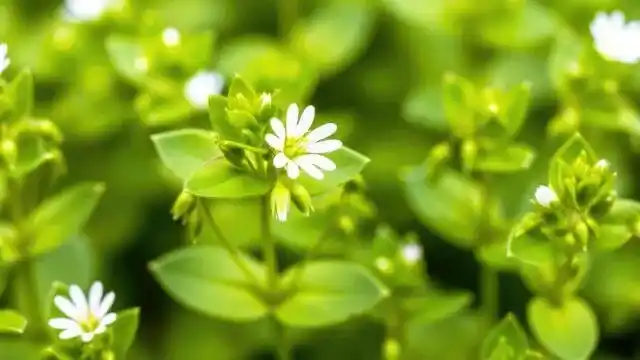
Chickweed Benefits and Traditional Uses

Chickweed has traditionally been used to support:

  • Fresh spring herbal preparations
  • Topical salves and washes
  • Soothing skin preparations
  • Traditional cooling herbal use
  • Fresh plant infusions and poultices

Historically, chickweed has been used in European folk herbalism as a tender cooling herb and was often applied fresh in simple household preparations.

“Chickweed has long been a humble household herb, gathered fresh from cool garden ground.”

— Traditional folk herbal reference

Chickweed Preparation Methods

Chickweed can be prepared in several traditional ways:


Infused Oil

Fresh or carefully dried chickweed may be infused in oil for topical herbal preparations.

Part of the plant used: Aerial parts

Salve or Balm

Chickweed infused oil may be combined with beeswax to make soothing topical balms.

Part of the plant used: Aerial parts

Fresh Poultice

The fresh herb may be bruised and applied externally in traditional household use.

Part of the plant used: Fresh aerial parts

Tea

The fresh or dried herb may be steeped for a mild herbal infusion.

Part of the plant used: Aerial parts


Growing Chickweed

Chickweed is a soft annual herb that grows rapidly in cool, moist conditions and often appears in gardens, lawns, and disturbed ground.

  • Prefers partial sun to light shade, especially in warmer climates
  • Grows best in moist, fertile soil
  • Most common in USDA growing zones 3–9 during cool seasons
  • Widely found across much of the United States
  • Often considered a garden weed because it self-seeds readily

Chickweed usually thrives in spring and fall rather than peak summer heat. It can spread quickly in vegetable beds and containers if allowed to seed freely.


Safety Considerations

Chickweed has a long history of traditional use, however fresh herbs should still be gathered and used carefully.

However:

  • Correct identification is important before using any wild-gathered herb.
  • Some individuals may experience digestive upset from large amounts of fresh herb.
  • Topical use may irritate sensitive skin in some individuals, so patch testing is sensible.
  • Gather only from clean ground away from pesticide use, roadsides, or contaminated sites.
  • Pregnant or breastfeeding individuals should consult a qualified healthcare professional before internal use.
  • Always consult a qualified healthcare professional before using herbs for health purposes.

This information is provided for educational purposes only and is not medical advice.

Image Disclaimer: Images are for reference only and should not be used as the sole method of identification. Always confirm identification with a qualified source.
Frequently Asked Questions
What is chickweed traditionally used for?

Chickweed is traditionally used in fresh herbal preparations, especially soothing topical oils, salves, and poultices. It has also been used as a mild spring herb in household herbal practice.

What part of chickweed is used?

The fresh aerial parts, including the stems and leaves, are the main portion used. The herb is often gathered while young and tender.

Can chickweed grow in the United States?

Yes, chickweed grows widely across the United States, especially in cool, moist conditions. It commonly appears in gardens, lawns, and disturbed ground.

Is chickweed considered a weed?

Yes, chickweed is often considered a garden weed because it self-seeds freely and can spread quickly. Even so, it has a long history of traditional herbal use.

Can chickweed be used fresh?

Yes, chickweed is often used fresh in poultices, oils, and mild herbal infusions. Fresh material is especially valued in traditional topical preparations.

Does chickweed like hot weather?

No, chickweed usually prefers cool seasons and often declines in strong summer heat. It is most vigorous in spring and fall.

Chickweed Benefits, Features and Medicinal Uses

Help Us Improve the Chickweed Page

Do you grow, photograph, study, or work with this plant?

If you have an accurate photo, growing experience, traditional use note, identification detail, correction, or useful source to share, we would love to hear from you.

Your contribution may help improve the accuracy, usefulness, and educational value of this page for other readers.


Share a photo, correction, or plant note →

Botanical Overview

  • Botanical name: Stellaria media
  • Family: Caryophyllaceae
  • Plant type: Annual herb
  • Native region: Europe and Eurasia, now naturalized widely
  • Common names: Common chickweed, starweed, satin flower