
We are building a comprehensive database of plant profiles on Flowers and Herbs. This will be followed by detailed essential oil information and, finally, remedies to help you learn how to use plants and essential oils for overall well-being.
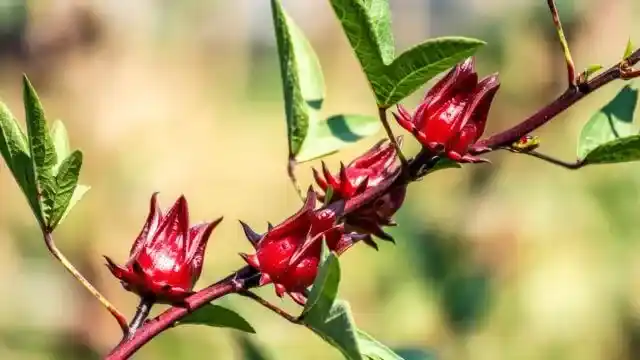
Rosella is a tropical hibiscus traditionally used in tart teas, syrups, and preserves. Its fleshy red calyces are the part most often harvested for herbal and culinary use. Native to tropical regions, rosella is valued for its vivid color, tangy flavor, and refreshing drinks.
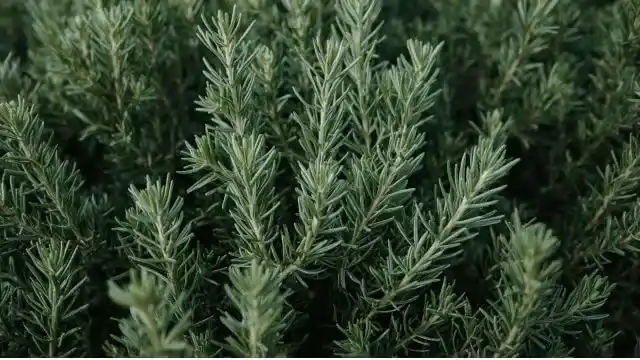
Rosemary is an aromatic evergreen herb traditionally valued for its resinous fragrance, needle-like leaves, and long culinary and herbal history. It remains one of the best-known Mediterranean herbs and is widely used in teas, infused oils, and traditional household preparations.
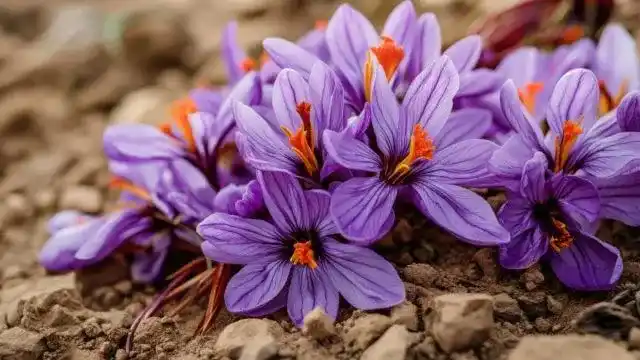
Saffron is a highly valued spice herb made from the dried stigmas of Crocus sativus flowers. It has long been used in culinary, aromatic, and traditional herbal preparations. Native to southwestern Asia, saffron is known for its vivid color, distinctive aroma, and labor-intensive harvest.
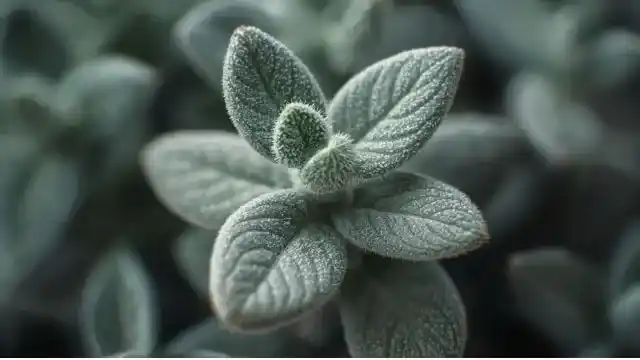
Sage is an aromatic Mediterranean herb traditionally valued for its velvety leaves, strong fragrance, and long history in kitchen and herbal practice. It remains one of the classic household herbs and is widely recognized in teas, gargles, infused oils, and garden preparations.
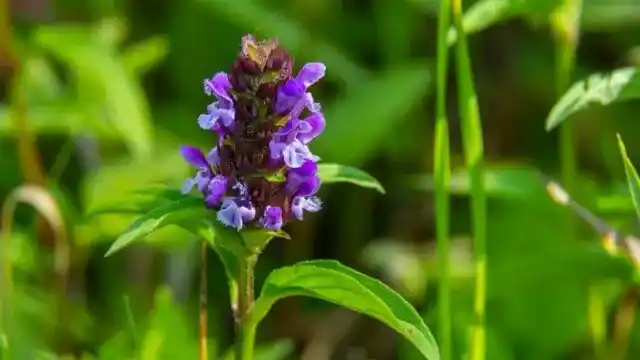
Self heal is a low-growing mint-family herb traditionally used in teas and external preparations. The flowering tops are the main part gathered in folk herbal practice. Native across Europe, Asia, and North America, it is recognized for its purple flower spikes and creeping habit.
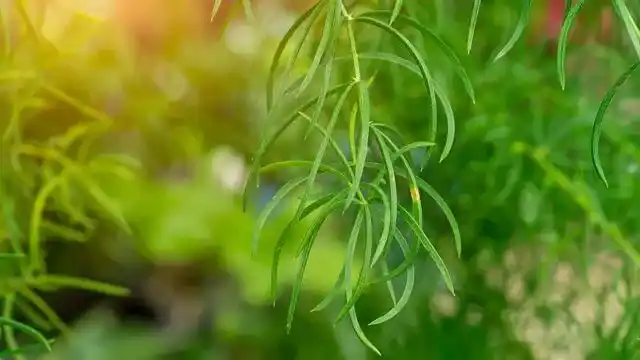
Shatavari is an Ayurvedic root herb traditionally used in nourishing tonic formulas. The tuberous roots are the parts most often dried and prepared. Native to Asia, it is a climbing asparagus relative known for its fine foliage, hooked spines, and longstanding place in traditional practice.
Sheep sorrel is a tart, low-growing wild herb traditionally used in simple teas and food-style preparations. The leaves are the part most often gathered and are known for their sour taste. Native to Europe and Asia, it is now common across North America in fields and poor soils.
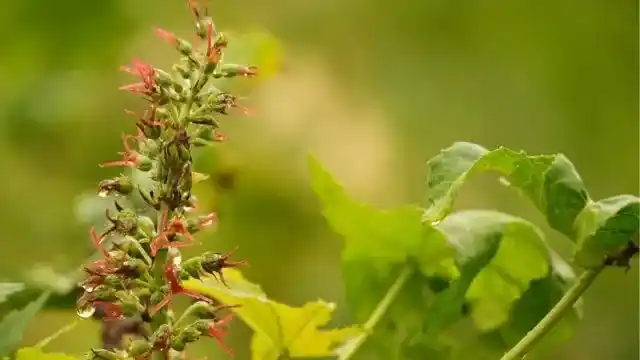
Shepherd’s purse is a common field herb traditionally used in teas and tinctures. The aerial parts are the portion most often gathered in herbal practice. Native to Europe and Asia, it is now naturalized widely and is easily recognized by its small heart-shaped seed pods.
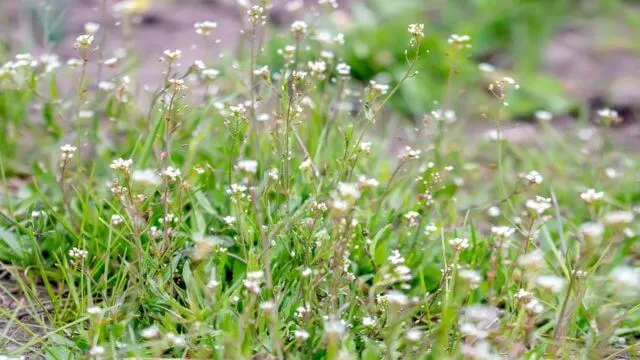
Siberian ginseng is a woody shrub traditionally used in East Asian and Russian herbal practice. The root is the part most often prepared in decoctions and extracts. Native to northeastern Asia, it is known for its thorny stems and longstanding use in tonic-style preparations.
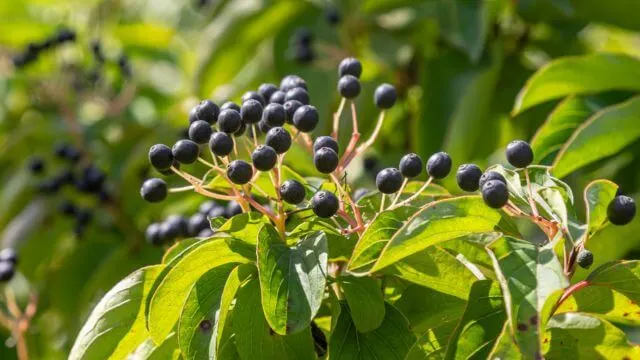
Slippery elm is a North American tree valued in herbal practice for its soothing inner bark. The powdered bark is traditionally used in gruels, teas, lozenges, and external poultices. Native to eastern North America, it has a long history in Indigenous and Western herbal traditions.
We are currently developing detailed plant profiles covering traditional uses, preparation methods, safety considerations, and current research. New herb guides are added regularly as we build this comprehensive A–Z botanical resource.
Explore our growing collection of medicinal and culinary herbs used in traditional and modern herbal practices. Each herb profile provides clear, research-informed information about traditional uses, preparation methods, safety considerations, and botanical background.
Whether you’re interested in herbal teas, plant-based remedies, or learning more about the history and science behind medicinal plants, this A–Z guide is designed to help you better understand the role of herbs in natural wellness.
Each plant page will include:
New herb profiles are added regularly as our botanical reference library continues to expand.
Our detailed plant guides are currently being developed. Upcoming herb profiles include:
Please check back soon as we continue building this comprehensive herbal resource.
Looking for a specific plant?
Browse the full Flowers, Herbs & Plants A–Z directory →We are currently developing detailed plant profiles covering traditional uses, preparation methods, safety considerations, and current research. New herb guides are added regularly as we build this comprehensive A–Z botanical resource.
Explore our growing collection of medicinal and culinary herbs used in traditional and modern herbal practices. Each herb profile provides clear, research-informed information about traditional uses, preparation methods, safety considerations, and botanical background.
Whether you’re interested in herbal teas, plant-based remedies, or learning more about the history and science behind medicinal plants, this A–Z guide is designed to help you better understand the role of herbs in natural wellness.
Each plant page will include:
New herb profiles are added regularly as our botanical reference library continues to expand.
Looking for a specific plant?
Browse the full Flowers, Herbs & Plants A–Z directory →Rosella is a tropical hibiscus traditionally used in tart teas, syrups, and preserves. Its fleshy red calyces are the part most often harvested for herbal and culinary use. Native to tropical regions, rosella is valued for its vivid color, tangy flavor, and refreshing drinks.
Rosemary is an aromatic evergreen herb traditionally valued for its resinous fragrance, needle-like leaves, and long culinary and herbal history. It remains one of the best-known Mediterranean herbs and is widely used in teas, infused oils, and traditional household preparations.
Saffron is a highly valued spice herb made from the dried stigmas of Crocus sativus flowers. It has long been used in culinary, aromatic, and traditional herbal preparations. Native to southwestern Asia, saffron is known for its vivid color, distinctive aroma, and labor-intensive harvest.
Sage is an aromatic Mediterranean herb traditionally valued for its velvety leaves, strong fragrance, and long history in kitchen and herbal practice. It remains one of the classic household herbs and is widely recognized in teas, gargles, infused oils, and garden preparations.
Self heal is a low-growing mint-family herb traditionally used in teas and external preparations. The flowering tops are the main part gathered in folk herbal practice. Native across Europe, Asia, and North America, it is recognized for its purple flower spikes and creeping habit.
Shatavari is an Ayurvedic root herb traditionally used in nourishing tonic formulas. The tuberous roots are the parts most often dried and prepared. Native to Asia, it is a climbing asparagus relative known for its fine foliage, hooked spines, and longstanding place in traditional practice.
Sheep sorrel is a tart, low-growing wild herb traditionally used in simple teas and food-style preparations. The leaves are the part most often gathered and are known for their sour taste. Native to Europe and Asia, it is now common across North America in fields and poor soils.
Shepherd’s purse is a common field herb traditionally used in teas and tinctures. The aerial parts are the portion most often gathered in herbal practice. Native to Europe and Asia, it is now naturalized widely and is easily recognized by its small heart-shaped seed pods.
Siberian ginseng is a woody shrub traditionally used in East Asian and Russian herbal practice. The root is the part most often prepared in decoctions and extracts. Native to northeastern Asia, it is known for its thorny stems and longstanding use in tonic-style preparations.
Slippery elm is a North American tree valued in herbal practice for its soothing inner bark. The powdered bark is traditionally used in gruels, teas, lozenges, and external poultices. Native to eastern North America, it has a long history in Indigenous and Western herbal traditions.
Please check back soon as we continue building this comprehensive herbal resource.
Medicinal herbs have been used for centuries across cultures to support skin health, digestion, sleep, immune function, and overall well-being. Understanding how herbs are traditionally prepared and used — along with proper safety considerations — is essential for informed herbal practice.
This guide is intended for educational purposes and aims to provide balanced, easy-to-understand information about plant-based wellness.
About Us
Organic Goodness offers the Flowers & Herbs website as an educational resource covering medicinal herbs, essential oils, botanical traditions and natural living.
Browse
Links
The information on this website is for educational purposes only and is not intended as medical advice. Always consult a qualified healthcare professional before using herbs, supplements, or natural products.