

Siberian Ginseng Benefits & Uses (Eleutherococcus senticosus)

Siberian ginseng (Eleutherococcus senticosus) is a thorny woody shrub in the Araliaceae family native to northeastern Asia, including parts of China, Korea, Japan, and Russia. The root is the plant part most commonly harvested for traditional herbal use.

In traditional use, Siberian ginseng is commonly prepared as a decoction, tincture, or extract and is associated with tonic-style herbal practice. Although often called ginseng, it is not a true Panax ginseng and belongs to a different genus.

Siberian ginseng is especially recognized in Russian and East Asian herbal contexts for its root-based preparations and broader adaptogenic reputation.

Siberian Ginseng Benefits and Traditional Uses

Siberian ginseng has traditionally been used to support:

  • Traditional tonic and restorative formulas
  • Root decoctions and extracts
  • Herbal preparations associated with stamina and resilience
  • Russian and East Asian tonic practice
  • General vitality support formulas

Historically, Siberian ginseng became especially well known in Russian and East Asian herbal traditions, where the root was valued in tonic-style preparations.

“Siberian ginseng has long been regarded as a hardy root herb associated with resilience and general vitality in traditional practice.”

“Eleuthero root has long been valued in tonic herbal traditions for hardy, root-based preparations.”

— Russian and East Asian herbal reference

Siberian Ginseng Preparation Methods

Siberian ginseng can be prepared in several traditional ways:


Decoction

The dried root may be simmered gently in water to make a traditional decoction.

Part of the plant used: Root

Tincture

Siberian ginseng root is commonly prepared as a tincture or liquid extract.

Part of the plant used: Root

Powder or Capsule

The dried root may be powdered or used in capsule form.

Part of the plant used: Root

Herbal Formula

The root is often included in broader tonic formulas rather than delicate tea blends.

Part of the plant used: Root


Growing Siberian Ginseng

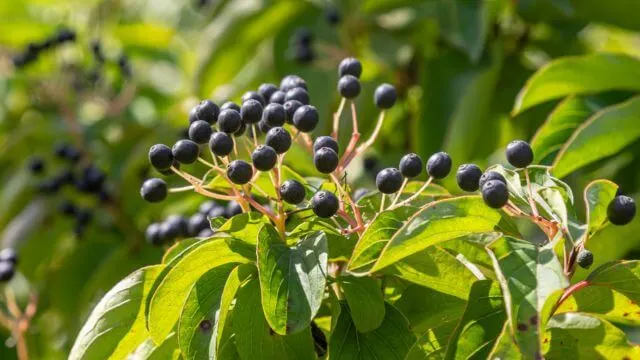
Siberian ginseng is a slow-growing deciduous shrub with thorny stems and clusters of berries. It prefers cooler climates and woodland-like growing conditions.

  • Prefers partial shade to dappled sun
  • Grows best in moist, well-drained, humus-rich soil
  • Requires regular moisture but does not like waterlogged ground
  • Can be grown in USDA zones 3-8 in suitable parts of the United States
  • Best suited to cooler temperate climates and sheltered garden sites

Siberian ginseng is not generally considered invasive, but it can take time to establish. The thorny stems mean it is best planted where access is easy for harvesting but not in busy walkways.


Safety Considerations

Siberian ginseng has a long history of traditional tonic use, however concentrated root extracts should be used with care.

However:

  • Because it is often used in stimulating or tonic-style preparations, individuals with blood pressure concerns should use caution.
  • Those taking blood pressure medication, stimulants, anticoagulants, or diabetes medications should seek professional guidance before use.
  • Some individuals may experience restlessness, headache, or mild digestive discomfort with concentrated extracts.
  • Pregnant or breastfeeding individuals should consult a qualified healthcare professional before internal use.
  • Only correctly identified eleuthero root should be used, as Siberian ginseng is not the same as true ginseng.
  • Concentrated use late in the day may not suit those sensitive to stimulating herbs.

This information is provided for educational purposes only and is not medical advice.

Image Disclaimer: Images are for reference only and should not be used as the sole method of identification. Always confirm identification with a qualified source.
Frequently Asked Questions
What is Siberian ginseng used for?

Siberian ginseng is traditionally used in tonic-style herbal formulas associated with stamina, resilience, and general vitality.

What part of Siberian ginseng is used?

The root is the main part used in decoctions, tinctures, extracts, and capsules.

Is Siberian ginseng the same as true ginseng?

No. Siberian ginseng is Eleutherococcus senticosus, not a Panax species. It is commonly called ginseng but is botanically different.

How is Siberian ginseng prepared?

It is commonly prepared as a decoction, tincture, extract, powder, or capsule.

Can Siberian ginseng grow in the United States?

Yes. It can be grown in cooler parts of the United States, especially in USDA zones 3-8 with good moisture and shelter.

Are there safety concerns with Siberian ginseng?

Yes. Concentrated extracts may not suit everyone and may require caution with blood pressure, blood sugar, or stimulating medications.

Siberian Ginseng Health Benefits and Traditional Uses

Help Us Improve the Siberian Ginseng Page

Do you grow, photograph, study, or work with this plant?

If you have an accurate photo, growing experience, traditional use note, identification detail, correction, or useful source to share, we would love to hear from you.

Your contribution may help improve the accuracy, usefulness, and educational value of this page for other readers.


Share a photo, correction, or plant note →

Botanical Overview

  • Botanical name: Eleutherococcus senticosus
  • Family: Araliaceae
  • Plant type: Shrub
  • Native region: Northeastern Asia
  • Common names: Eleuthero, eleuthero root