

Rosemary Uses & How to Use It (Salvia rosmarinus)

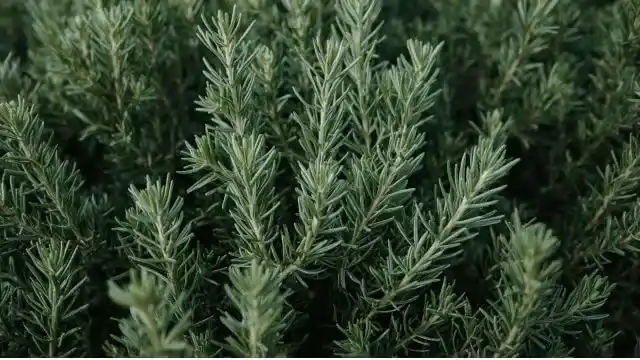
Rosemary is an evergreen shrub in the mint family with narrow aromatic leaves and pale blue flowers. Native to the Mediterranean region, it has been cultivated for centuries as both a culinary plant and a traditional herb, becoming one of the most recognized aromatic herbs in European household practice.

Its strong scent and durable foliage helped make rosemary a classic garden herb used in teas, infused oils, rinses, and ceremonial traditions. Today it remains a cornerstone herb in both kitchen gardens and traditional botanical literature.

Rosemary Benefits and Traditional Uses

Rosemary has traditionally been used to support:

  • Aromatic herbal infusions
  • Traditional kitchen and garden preparations
  • Infused oils and rinses
  • Herbal vinegars and tinctures
  • Classic Mediterranean household use

Rosemary has a long history in Mediterranean and European traditions where it was valued as both a household herb and a symbolic garden plant. Its fragrant leaves made it a natural choice for culinary use, simple herbal preparations, and aromatic blends used throughout daily life.

Rosemary has long been one of the most cherished aromatic herbs of the Mediterranean herbal tradition.

– Traditional herbal reference

Rosemary Preparation Methods

Rosemary can be prepared in several traditional ways:


Herbal Tea

Fresh or dried rosemary leaves may be steeped in hot water to prepare an aromatic herbal infusion.

Part of the plant used: Leaves

Infused Oil

Rosemary leaves are commonly infused into oil for use in traditional external and household preparations.

Part of the plant used: Leaves

Tincture

The leaves may be prepared as an alcohol extract for concentrated herbal use.

Part of the plant used: Leaves

Herbal Vinegar

Fresh rosemary sprigs may be infused into vinegar for culinary and household herbal preparations.

Part of the plant used: Leaves


Growing Rosemary

Rosemary is a woody evergreen herb that thrives in sunny, well-drained positions and is especially well suited to warm climates. It is commonly grown in herb gardens, borders, and containers where its form and fragrance can be enjoyed year-round.

  • Prefers full sun
  • Grows best in well-drained, sandy or light soil
  • Tolerates dry conditions once established
  • Suitable for USDA hardiness zones 8-10 in the United States, with container growing in cooler areas
  • Commonly grown in warm and coastal regions of the United States

Rosemary benefits from pruning to maintain shape and airflow, and container plants can be protected where winters are cold.


Safety Considerations

Rosemary has a long history of traditional use, however care should always be taken when using herbal plants.

However:

  • Rosemary is widely used in food, but concentrated preparations may cause digestive irritation in some individuals.
  • Rosemary essential oil is highly concentrated and should be used with appropriate dilution and care.
  • Very large amounts may not be suitable for individuals with seizure disorders or uncontrolled high blood pressure.
  • Topical preparations may irritate sensitive skin, so patch testing is advisable.
  • Pregnant or breastfeeding individuals should consult a qualified healthcare professional before using concentrated rosemary products.
  • Always consult a qualified healthcare professional before using rosemary alongside prescription medications.

This information is provided for educational purposes only and is not medical advice.

Image Disclaimer: Images are for reference only and should not be used as the sole method of identification. Always confirm identification with a qualified source.
Frequently Asked Questions
What is rosemary traditionally used for?

Rosemary is traditionally used to support digestion, circulation, mental clarity, and scalp care. It is both a culinary herb and a widely used medicinal herb.

Which part of rosemary is used?

The leaves and flowering tops are the main parts used. These aromatic parts contain the fragrance and constituents rosemary is known for.

How is rosemary commonly prepared?

Rosemary is commonly prepared as tea, tincture, infused oil, hair rinse, and steam inhalation. It is also widely used as an essential oil, although that is a separate preparation.

Can rosemary be used for hair care?

Yes, rosemary is often used in scalp oils, rinses, and hair products. Traditional use commonly links rosemary with scalp stimulation and hair care rituals.

Is rosemary used internally and externally?

Yes, rosemary is used both internally and externally. It can be taken as a tea or tincture and also used in oils, rinses, and topical preparations.

Can Rosemary be grown in the United States?

Rosemary grows best in mild, sunny parts of the United States, especially California, coastal areas, and other regions with warm, well-drained conditions. It is usually a cultivated garden herb rather than a true wild-foraged plant.

Rosemary (Salvia rosmarinus) aromatic medicinal herb traditionally used for digestion and herbal infusions

Help Us Improve the Rosemary Page

Do you grow, photograph, study, or work with this plant?

If you have an accurate photo, growing experience, traditional use note, identification detail, correction, or useful source to share, we would love to hear from you.

Your contribution may help improve the accuracy, usefulness, and educational value of this page for other readers.


Share a photo, correction, or plant note →

Botanical Overview

  • Botanical name: Salvia rosmarinus
  • Family: Lamiaceae
  • Plant type: Woody herb shrub
  • Native region: Mediterranean region
  • Common names: Rosemary, garden rosemary