

Self Heal Benefits & Uses (Prunella vulgaris)

Self heal (Prunella vulgaris) is a low-growing perennial herb in the mint family (Lamiaceae) native across Europe, Asia, and North America. It spreads by creeping stems, produces purple flower spikes, and is most often harvested for its aerial flowering parts.

In folk herbal traditions, self heal has been used in teas, rinses, gargles, and topical preparations. The leaves and flowering tops are the parts most commonly gathered, and the herb is especially associated with simple household remedies.

Because it grows close to the ground and can spread readily, self heal is often found in lawns, edges, and lightly disturbed ground as well as herb gardens.

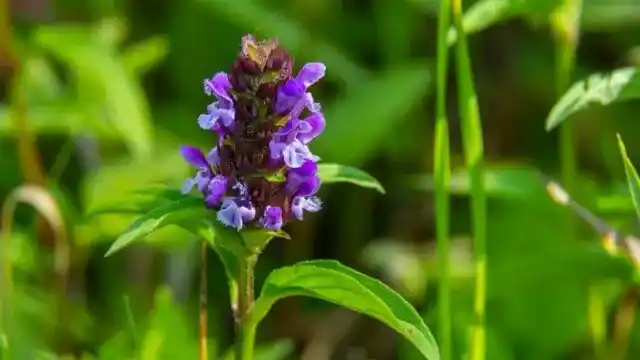
Self Heal Benefits and Traditional Uses

Self heal has traditionally been used to support:

  • Traditional household herbal teas
  • Herbal rinses and gargles
  • Simple topical washes and compresses
  • Older folk preparations for general support
  • Flowering-top infusions and tinctures

Historically, self heal was a familiar folk herb in Europe and North America, where it was gathered from fields and garden edges for straightforward home preparations.

“Self heal has long been remembered as a modest but useful household herb in traditional folk practice.”

“Self heal has long been gathered as a simple country herb for teas, rinses, and household remedies.”

— Folk herbal reference

Self Heal Preparation Methods

Self heal can be prepared in several traditional ways:


Tea

The dried flowering tops may be steeped in hot water to prepare a traditional herbal tea.

Part of the plant used: Flowering tops

Rinse or Gargle

A stronger infusion may be used as a traditional rinse or gargle once cooled.

Part of the plant used: Flowering tops

Compress

The herb may be infused in hot water and used in a warm or cool compress for external applications.

Part of the plant used: Flowering tops

Tincture

Self heal may be prepared as a tincture using the fresh or dried aerial parts.

Part of the plant used: Flowering tops and leaves


Growing Self Heal

Self heal is a creeping perennial herb that forms mats of green leaves and short spikes of purple flowers. It adapts well to many garden and meadow conditions.

  • Prefers full sun to partial shade
  • Grows best in average to moist, well-drained soil
  • Hardy in USDA zones 4-9 across much of the United States
  • Common in lawns, meadows, woodland edges, and cottage gardens
  • Tolerates regular moisture and can spread by runners

Self heal may be considered a lawn weed in some settings because of its spreading habit, though many gardeners welcome it as a pollinator-friendly groundcover and useful herb.


Safety Considerations

Self heal has a long history of traditional use and is generally considered mild, however caution is still appropriate with concentrated internal use.

However:

  • Individuals sensitive to plants in the mint family should use caution.
  • Mild digestive upset is possible with stronger preparations in some individuals.
  • Only clean, correctly identified flowering tops should be harvested, especially when plants are gathered from lawns or roadsides.
  • Pregnant or breastfeeding individuals should consult a qualified healthcare professional before concentrated internal use.
  • Individuals using prescription medications should seek professional advice before using concentrated extracts regularly.
  • Topical preparations should be patch tested first in very sensitive skin.

This information is provided for educational purposes only and is not medical advice.

Image Disclaimer: Images are for reference only and should not be used as the sole method of identification. Always confirm identification with a qualified source.
Frequently Asked Questions
What is self heal used for?

Self heal is traditionally used in teas, rinses, gargles, and simple external preparations made from the flowering tops and leaves.

What part of self heal is used?

The aerial parts, especially the flowering tops, are the main part used in traditional herbal practice.

Can self heal be used in tea?

Yes. Self heal is commonly prepared as a tea or infusion from the dried flowering tops.

Is self heal a weed?

It can be considered a lawn weed because it spreads low across the ground, but many people value it as a useful wild herb and pollinator plant.

Can self heal grow in the United States?

Yes. Self heal grows widely across the United States and is hardy in many climates, especially USDA zones 4-9.

Are there safety concerns with self heal?

Self heal is generally mild, but concentrated internal use should still be approached thoughtfully and harvested plants should be correctly identified.

Self Heal Health Benefits and Traditional Uses

Help Us Improve the Self Heal Page

Do you grow, photograph, study, or work with this plant?

If you have an accurate photo, growing experience, traditional use note, identification detail, correction, or useful source to share, we would love to hear from you.

Your contribution may help improve the accuracy, usefulness, and educational value of this page for other readers.


Share a photo, correction, or plant note →

Botanical Overview

  • Botanical name: Prunella vulgaris
  • Family: Lamiaceae
  • Plant type: Perennial herb
  • Native region: Europe, Asia, and North America
  • Common names: Heal-all, woundwort, carpenter’s herb