

Sheep Sorrel Benefits & Uses (Rumex acetosella)

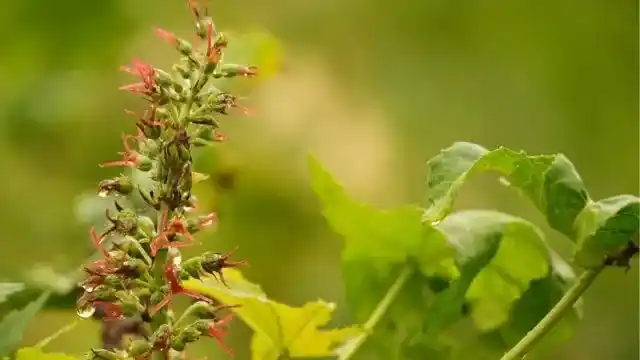
Sheep sorrel (Rumex acetosella) is a slender perennial herb in the Polygonaceae family native to Europe and Asia but now widely naturalized in North America. It has arrow-shaped leaves, reddish stems, and a distinctly sour taste, while the leaves are the part most often gathered.

In traditional use, sheep sorrel has been prepared as a light tea, spring green, or field herb in simple household preparations. It is especially associated with tart leafy use rather than heavy root-based herbal traditions.

Sheep sorrel commonly appears in dry, disturbed ground and poor soils, and it is often recognized more as a wild field plant than as a formal garden herb.

Sheep Sorrel Benefits and Traditional Uses

Sheep sorrel has traditionally been used to support:

  • Traditional spring greens and sour herb use
  • Light herbal teas and infusions
  • Older folk preparations using fresh leaves
  • Tangy additions to soups and rustic dishes
  • Field-gathered household herb use

Historically, sheep sorrel has been used as a tart edible weed and country herb in parts of Europe and North America, especially where wild greens were traditionally gathered.

“Sheep sorrel has long been recognized for its sour, refreshing leaf taste and its presence in meadows and disturbed ground.”

“Sheep sorrel has long been known as a tart wild herb of fields and rough ground, used in simple country preparations.”

— Traditional wild herb reference

Sheep Sorrel Preparation Methods

Sheep sorrel can be prepared in several traditional ways:


Tea

The leaves may be steeped in hot water for a light traditional herbal tea.

Part of the plant used: Leaves

Fresh Herb

Fresh leaves may be added in small amounts to salads, soups, or rustic green preparations.

Part of the plant used: Leaves

Infusion

A mild infusion may be prepared from the fresh or dried aerial parts.

Part of the plant used: Leaves and aerial parts

Herbal Vinegar

The leaves may be steeped in vinegar for a traditional sour herb preparation.

Part of the plant used: Leaves


Growing Sheep Sorrel

Sheep sorrel is a low, spreading perennial herb that thrives in poor, sandy, or acidic soils. It forms patches and is often found in open ground, roadsides, and dry pastures.

  • Prefers full sun
  • Tolerates poor, sandy, acidic, or gravelly soil
  • Requires relatively little water once established
  • Hardy in USDA zones 3-8 across much of the United States
  • Commonly found in fields, lawns, open ground, and disturbed sites

Sheep sorrel is widely considered a weed in the United States because it spreads readily and tolerates poor soils. It can be persistent once established and may be difficult to remove completely.

Sheep sorrel is frequently confused with other Rumex species such as broadleaf and curly dock, which differ in having much larger, broader leaves, while sheep sorrel has small, narrow leaves with distinctive backward-pointing lobes.


Safety Considerations

Sheep sorrel has a long history of traditional use, however its sour leaves contain oxalates and should be used with moderation.

However:

  • Because sheep sorrel contains oxalates, very large amounts are not considered suitable for regular use.
  • Individuals with kidney concerns or those advised to avoid high-oxalate foods should use caution.
  • The sour leaves may cause digestive irritation in some individuals if taken in excess.
  • Pregnant or breastfeeding individuals should consult a qualified healthcare professional before concentrated internal use.
  • Only correctly identified sheep sorrel should be harvested, as docks and related wild plants can be confused in the field.
  • Field-harvested plants should not be gathered from contaminated roadsides or sprayed areas.

This information is provided for educational purposes only and is not medical advice.

Image Disclaimer: Images are for reference only and should not be used as the sole method of identification. Always confirm identification with a qualified source.
Frequently Asked Questions
What is sheep sorrel used for?

Sheep sorrel is traditionally used as a tart wild herb in light teas, soups, and spring green preparations.

What part of sheep sorrel is used?

The leaves are the main part used. They are known for their distinctly sour taste.

Is sheep sorrel edible?

Yes, the leaves have traditionally been eaten in small amounts, but they are quite sour and are best used with moderation.

Is sheep sorrel a weed?

Yes. Sheep sorrel is widely considered a weed because it spreads easily in poor soil, lawns, and open ground.

Can sheep sorrel grow in the United States?

Yes. Sheep sorrel is common across much of the United States, especially in USDA zones 3-8 and in disturbed or acidic soils.

Are there safety concerns with sheep sorrel?

Yes. Sheep sorrel contains oxalates, so it should be used moderately and with caution by people who need to limit high-oxalate foods.

Sheep Sorrel Health Benefits and Traditional Uses

Help Us Improve the Sheep Sorrel Page

Do you grow, photograph, study, or work with this plant?

If you have an accurate photo, growing experience, traditional use note, identification detail, correction, or useful source to share, we would love to hear from you.

Your contribution may help improve the accuracy, usefulness, and educational value of this page for other readers.


Share a photo, correction, or plant note →

Botanical Overview

  • Botanical name: Rumex acetosella
  • Family: Polygonaceae
  • Plant type: Perennial herb
  • Native region: Europe and Asia
  • Common names: Field sorrel, red sorrel, sour weed