
Plant Type: Tree
Trees provide a wide range of botanical materials used in traditional herbal and culinary practices, including bark, leaves, fruits, and resins. Many tree species have been used historically for their long-lasting and deeply rooted properties, often associated with strength and longevity. This collection explores trees traditionally used for wellness, nutrition, and natural preparations.
-
Birch
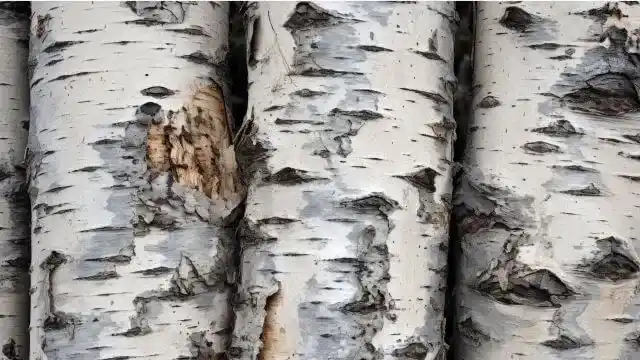
Birch is a graceful tree valued in traditional herbal practice for its leaves, bark, and spring sap. It has long been used…
-
Black Walnut
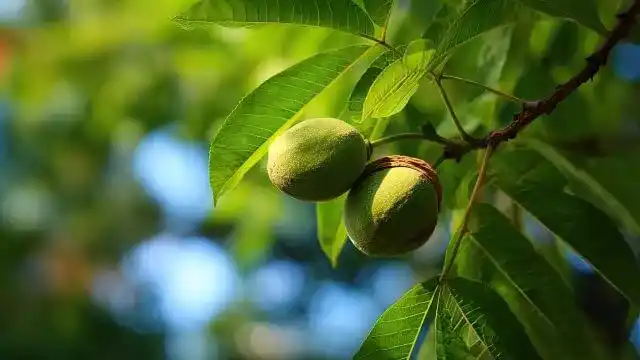
Black walnut is a large North American tree valued for its dark nuts, green hulls, and medicinal leaves. Traditional herbal use focuses…
-
Cascara
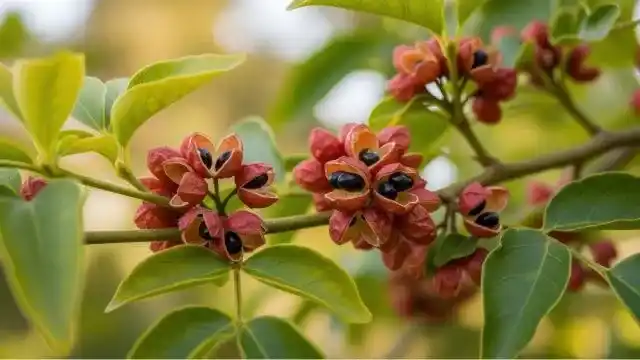
Cascara is a North American bark herb traditionally used in herbal preparations linked with bowel regularity. The aged bark is the part…
-
Chastetree
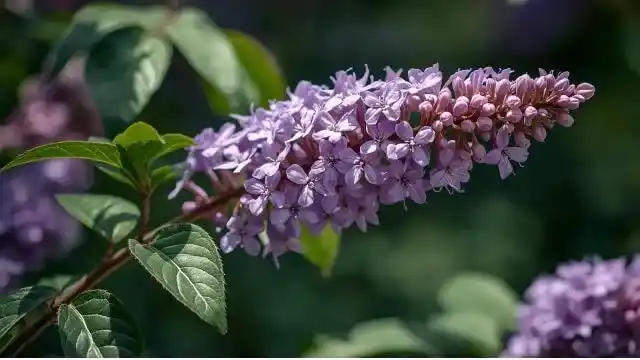
Chastetree is a Mediterranean shrub traditionally used in women’s herbal traditions, especially through its peppery fruits. It is commonly known as vitex…
-
Crampbark
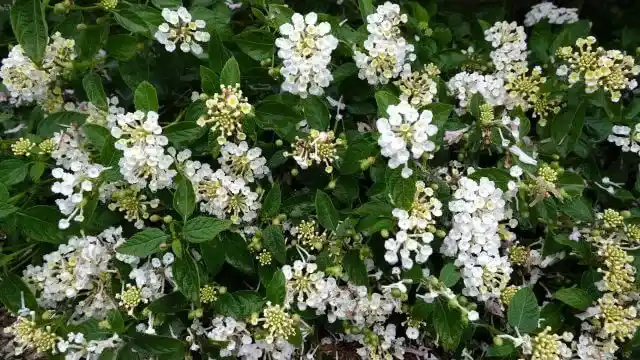
Crampbark is the bark of a deciduous shrub traditionally used in Western herbal practice. It has long been included in formulas associated…
-
Gingko
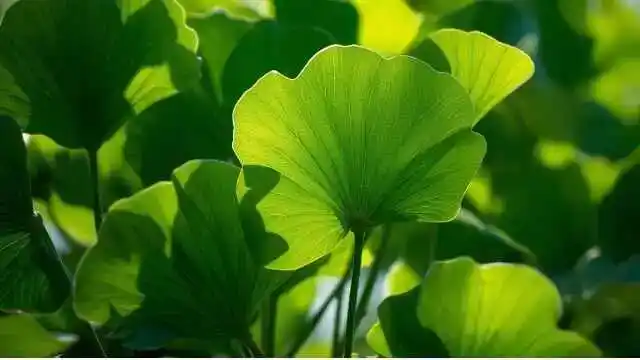
Ginkgo is a traditional herb used in herbal preparations for circulation and traditional cognitive support. The plant has a long history in…
-
Gumbi Gumbi
Gumbi gumbi is an Australian shrub or small tree used in regional bush and folk herbal traditions. Its leaves are commonly prepared…
-
Hawthorn
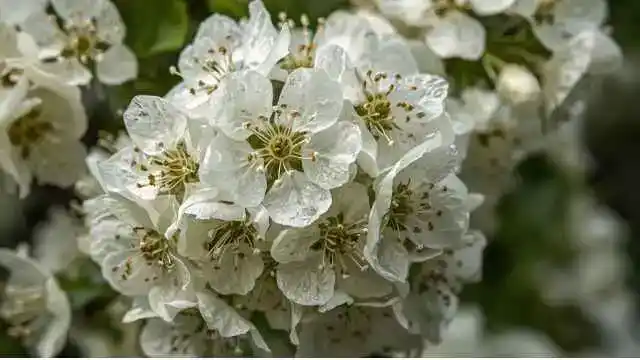
Hawthorn is a traditional herb used in herbal preparations for heart and circulatory herbal traditions. The plant has a long history in…
-
Kola Nut
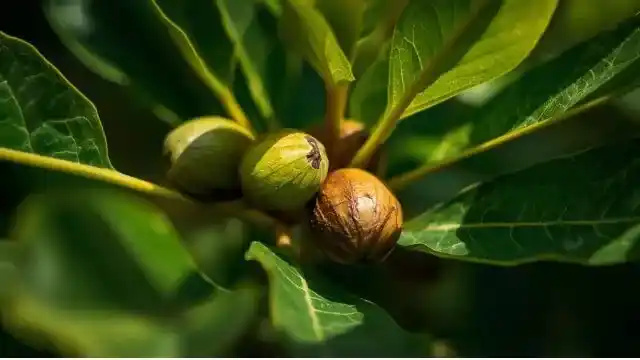
Kola nut is a caffeine-containing seed traditionally used for stamina and alertness. Long valued in West African cultural and herbal traditions, it…
-
Moringa
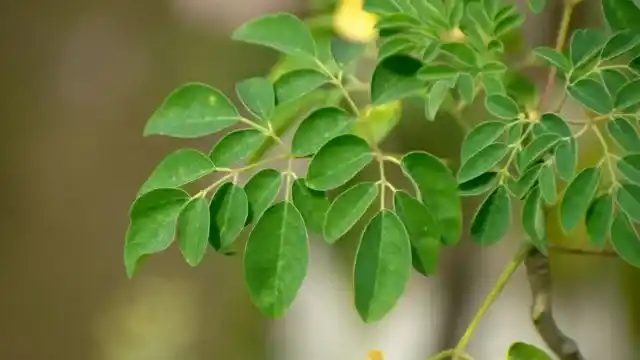
Moringa is a fast-growing tropical tree valued for its nutrient-rich leaves and traditional household uses. The leaves, pods, and seeds are widely…
-
Neem
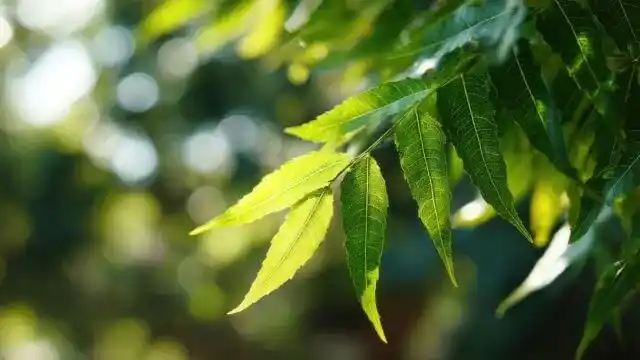
Neem is a tropical evergreen tree traditionally used in Ayurvedic and household herbal practice. The leaves, seeds, bark, and oil have all…
-
Nutmeg
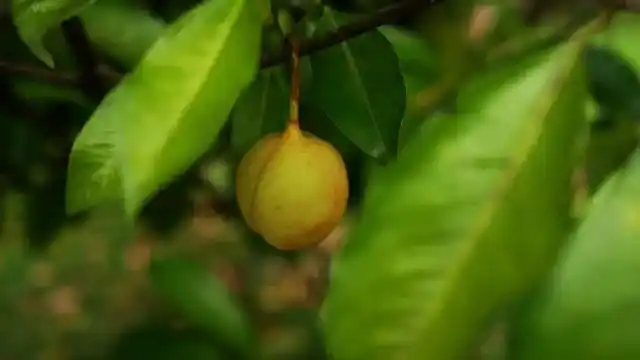
Nutmeg is an aromatic tropical spice tree traditionally used in both culinary and herbal preparations. The seed is the familiar nutmeg spice,…
Looking for a specific plant?
Browse the full Flowers, Herbs & Plants A–Z directory →Plant Type: Tree
Trees provide a wide range of botanical materials used in traditional herbal and culinary practices, including bark, leaves, fruits, and resins. Many tree species have been used historically for their long-lasting and deeply rooted properties, often associated with strength and longevity. This collection explores trees traditionally used for wellness, nutrition, and natural preparations.
-
Birch is a graceful tree valued in traditional herbal practice for its leaves, bark, and spring sap. It has long been used in leaf teas, external washes, and seasonal tonic preparations. Native to Europe and northern Asia, birch grows best in cool climates and moist, well-drained soil.
-
Black walnut is a large North American tree valued for its dark nuts, green hulls, and medicinal leaves. Traditional herbal use focuses mainly on the hull and leaf rather than the nut alone. Native to eastern North America, it is a long-lived tree with strong growing habits and deep roots.
-
Cascara is a North American bark herb traditionally used in herbal preparations linked with bowel regularity. The aged bark is the part historically prepared, not the fresh bark. Native to the Pacific Northwest, cascara grows as a shrub or small tree with glossy leaves and dark berries.
-
Chastetree is a Mediterranean shrub traditionally used in women’s herbal traditions, especially through its peppery fruits. It is commonly known as vitex in modern herbal commerce. With aromatic leaves and spikes of lilac flowers, chastetree is also widely grown as an ornamental landscape plant.
-
Crampbark is the bark of a deciduous shrub traditionally used in Western herbal practice. It has long been included in formulas associated with muscle tension and women’s herbal traditions. The plant is native across parts of Europe, Asia, and North America.
-
Ginkgo is a traditional herb used in herbal preparations for circulation and traditional cognitive support. The plant has a long history in European and Asian herbal traditions.
-
Gumbi gumbi is an Australian shrub or small tree used in regional bush and folk herbal traditions. Its leaves are commonly prepared as infusions in traditional use. Native to inland Australia, it remains a plant of interest in modern bush herb discussions.
-
Hawthorn is a traditional herb used in herbal preparations for heart and circulatory herbal traditions. The plant has a long history in European and Asian herbal traditions.
-
Kola nut is a caffeine-containing seed traditionally used for stamina and alertness. Long valued in West African cultural and herbal traditions, it is often prepared as a powder or stimulating tonic ingredient. Kola nut comes from tropical evergreen trees and has a distinctly bitter taste.
-
Moringa is a fast-growing tropical tree valued for its nutrient-rich leaves and traditional household uses. The leaves, pods, and seeds are widely used in food and herbal preparations. Native to northern India, moringa is popular in warm climates and wellness traditions.
-
Neem is a tropical evergreen tree traditionally used in Ayurvedic and household herbal practice. The leaves, seeds, bark, and oil have all been used in different ways. Native to the Indian subcontinent, neem is known for its bitter taste, strong aroma, and wide traditional application.
-
Nutmeg is an aromatic tropical spice tree traditionally used in both culinary and herbal preparations. The seed is the familiar nutmeg spice, while the aril is known as mace. Native to Indonesia, nutmeg has a warm fragrance and a long history in cooking and trade.
Looking for a specific plant?
Browse the full Flowers, Herbs & Plants A–Z directory →About Us
Organic Goodness offers the Flowers & Herbs website as an educational resource covering medicinal herbs, essential oils, botanical traditions and natural living.
Browse
Links
The information on this website is for educational purposes only and is not intended as medical advice. Always consult a qualified healthcare professional before using herbs, supplements, or natural products.