

Black Walnut Benefits & Uses (Juglans nigra)

Black walnut, or Juglans nigra, is a large deciduous tree in the Juglandaceae family native to eastern North America. It has compound leaves, deeply furrowed bark, round green-hulled fruits, and richly flavored nuts. In traditional herbal practice, the green hull and leaves are the parts most commonly used, while the nut is valued mainly as food.

In older American herbal traditions, black walnut was used in strongly astringent and cleansing preparations, especially in tinctures, washes, and topical applications. The green hull is particularly distinctive because it stains deeply and contains concentrated bitter and astringent compounds.

Black walnut is also well known in gardening because its roots release juglone, a compound that can suppress sensitive neighboring plants. This makes site selection especially important when planting it in a home landscape.

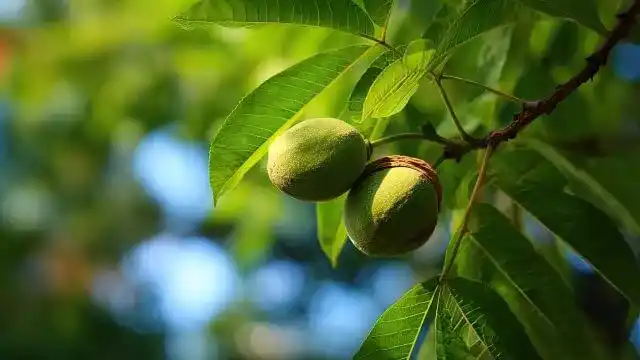
Black Walnut Benefits and Traditional Uses

Black walnut has traditionally been used to support:

  • Astringent green hull tinctures in American herbal traditions
  • Traditional external washes and skin preparations
  • Leaf infusions for household herbal use
  • Bitter cleansing formulas in older Western practice
  • Nut use as a rich traditional food
  • Topical preparations featuring the fresh green hull

Historically, black walnut was valued in American household herbalism for the staining green hull and the leaves, both of which were used in strong external and internal preparations. The edible nuts were also an important food, but medicinally the focus was most often on the hull rather than the kernel itself.

“Black walnut hull has a long history of use in traditional herbal systems where it is often discussed in relation to intestinal cleansing practices.”

“Black walnut hulls and leaves have long been used in traditional herbal preparations and household plant remedies.”

— Traditional American herbal practice

Black Walnut Preparation Methods

Black walnut can be prepared in several traditional ways:


Hull Tincture

Fresh green black walnut hulls may be chopped and extracted in alcohol to make a dark tincture. This is one of the best-known traditional herbal preparations made from the tree. In traditional herbal practices, black walnut hull tincture has often been included in cleansing formulas and is sometimes discussed in relation to internal cleansing protocols.

Part of the plant used: Fresh green hulls

Leaf Tea

Dried black walnut leaves may be infused in hot water to prepare a traditional herbal tea or wash. Leaf preparations are generally milder than those made from the fresh hull and have been used in traditional herbal systems for general wellness and cleansing practices.

Part of the plant used: Leaves

Topical Wash

A stronger infusion or decoction of the hull or leaves may be used as an external wash. This reflects the plant’s long history in household topical herbalism, particularly for skin-related applications.

Part of the plant used: Hull or leaves

Powdered Hull

Dried hull may be powdered and used in encapsulated or blended formulas. In traditional herbal use, powdered black walnut hull has sometimes been included alongside other herbs in cleansing blends. Because the hull is very strong, powdered preparations are used carefully and in modest amounts.

Part of the plant used: Hull


Growing Black Walnut

Black walnut is a large, long-lived tree that eventually forms a broad crown and a deep, extensive root system. It is grown for shade, timber, nuts, and traditional hull harvest, but it needs generous space and thoughtful placement.

  • Prefers full sun and deep, fertile, well-drained soil
  • Needs regular moisture while young but becomes more drought tolerant with age
  • Hardy in USDA growing zones 4-9 across much of the United States
  • Best suited to larger landscapes where its mature size and root effects can be accommodated

Black walnut produces juglone, which can inhibit the growth of some nearby plants, so it should not be placed casually in a mixed vegetable or ornamental bed. Fallen hulls can also stain patios, hands, and harvest tools.


Safety Considerations

Black walnut has a long record of traditional use, but its hull and leaf preparations are strong and may not suit everyone.

However:

  • People with tree nut allergy should use caution with black walnut and avoid internal use unless they know they tolerate the plant.
  • Fresh hull preparations may cause skin staining and irritation, especially on sensitive skin.
  • Strong internal preparations may lead to nausea, stomach upset, or digestive discomfort in some individuals.
  • Pregnant or breastfeeding individuals should consult a qualified healthcare professional before using concentrated black walnut products.
  • Individuals using medications or taking multiple herbal products should seek guidance before using strong hull tinctures or powders.
  • Only use preparations made from properly identified material and handle fresh hulls with care.

This information is provided for educational purposes only and is not medical advice.

Image Disclaimer: Images are for reference only and should not be used as the sole method of identification. Always confirm identification with a qualified source.
Frequently Asked Questions
What is black walnut traditionally used for?

Black walnut is traditionally used for strong astringent and cleansing preparations, especially those made from the green hull and leaves. In American herbal practice it has appeared in tinctures, washes, and topical household remedies, while the nuts are also valued as food.

What part of black walnut is used in herbal preparations?

The fresh green hull and the leaves are the parts most commonly used in herbal preparations. The nut itself is mainly a food, while the hull is the part most often associated with traditional tinctures and stronger plant remedies.

Can you eat black walnuts?

Yes. The nut meat of black walnut is edible and prized for its rich, bold flavor. However, the herbal preparations discussed in traditional herb literature usually focus on the green hull or the leaves rather than on the edible kernel alone.

How is black walnut usually prepared?

Black walnut is commonly prepared as a fresh hull tincture, leaf tea, powdered hull, or topical wash. Because the green hull is very strong and deeply staining, it is usually handled with gloves and used carefully.

Can black walnut grow in the United States?

Yes. Black walnut is native to the eastern United States and grows well across much of the country in USDA zones 4-9. It needs full sun, deep soil, and enough room for its large mature size and spreading roots.

Are there safety concerns with black walnut?

Yes. People with tree nut allergy should be especially cautious, and fresh hulls may stain or irritate the skin. Strong internal preparations can also upset digestion, so concentrated use is best approached carefully and with professional guidance when needed.

Black Walnut Traditonal Uses, Benefits and Medicinal Uses

Help Us Improve the Black Walnut Page

Do you grow, photograph, study, or work with this plant?

If you have an accurate photo, growing experience, traditional use note, identification detail, correction, or useful source to share, we would love to hear from you.

Your contribution may help improve the accuracy, usefulness, and educational value of this page for other readers.


Share a photo, correction, or plant note →

Botanical Overview

  • Botanical name: Juglans nigra
  • Family: Juglandaceae
  • Plant type: Large deciduous tree
  • Native region: Eastern North America
  • Common names: Black walnut, eastern black walnut, American black walnut