

Nutmeg Uses & How to Use It (Myristica fragrans)

Nutmeg is an evergreen tropical tree known botanically as Myristica fragrans, a member of the Myristicaceae family native to the Moluccas of Indonesia. The seed is the familiar nutmeg spice, and the bright red aril around the seed is used as mace, while the seed is the main part most often referenced in herbal and culinary use.

In traditional household practice, nutmeg has been used in spice blends, warming drinks, and digestive preparations. It is equally important as a culinary spice and historical trade plant.

Although small culinary amounts are widely used, larger amounts of nutmeg require clear caution because concentrated intake can be toxic.

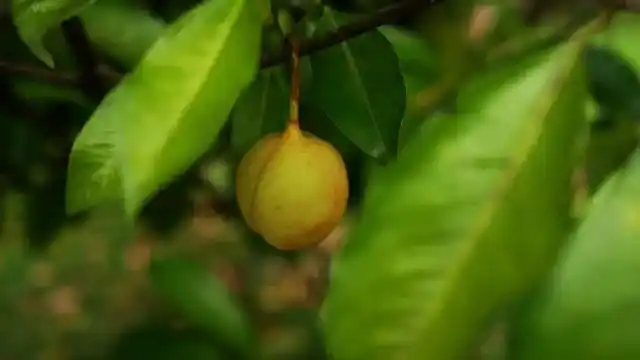
Nutmeg Benefits and Traditional Uses

Nutmeg has traditionally been used to support:

  • Warming culinary spice blends
  • Digestive spice preparations after meals
  • Traditional milk drinks and tonics
  • Aromatic household baking and preserving
  • Older external rubs and fragrant preparations

Historically, nutmeg was one of the most prized spice commodities in the world and was valued in both the kitchen and traditional household herbal use.

“Nutmeg has long been esteemed as a warming spice of both the apothecary and the kitchen.”

“Nutmeg was once counted among the great treasures of the spice trade and remains a warming household spice.”

— Traditional spice and herbal reference

Nutmeg Preparation Methods

Nutmeg can be prepared in several traditional ways:


Powdered Spice

The dried seed may be grated or ground for use in traditional culinary and herbal preparations.

Part of the plant used: Seed

Warming Drink

Small amounts of nutmeg have traditionally been added to warm milk drinks and spice infusions.

Part of the plant used: Seed

Infused Oil

Nutmeg has also appeared in older aromatic oils and external rubs.

Part of the plant used: Seed


Growing Nutmeg

Nutmeg is a tropical evergreen tree that requires steady warmth, humidity, and a frost-free climate to grow well.

  • Prefers full sun to light partial shade in hot climates
  • Grows best in rich, moist, well-drained tropical soil
  • Suitable only for frost-free tropical regions, generally USDA zones 10-12
  • Best grown in Hawaii, south Florida, and similar very warm climates

Nutmeg is a slow-growing tree and is not suited to cold or dry climates. In most parts of the United States it can only be grown in specialty tropical settings.


Safety Considerations

Nutmeg has a long history of traditional culinary and household use, however large amounts are not safe and may be toxic.

However:

  • Nutmeg used in normal culinary amounts is very different from large concentrated intake.
  • High amounts of nutmeg may cause nausea, dizziness, confusion, palpitations, or other toxic effects.
  • Nutmeg essential oil and concentrated extracts should be used with more caution than ordinary kitchen spice.
  • Children should not be given large or concentrated amounts of nutmeg.
  • Pregnant or breastfeeding individuals should consult a qualified healthcare professional before using concentrated nutmeg preparations.
  • Always consult a qualified professional before using herbs for health purposes.

This information is provided for educational purposes only and is not medical advice.

Image Disclaimer: Images are for reference only and should not be used as the sole method of identification. Always confirm identification with a qualified source.
Frequently Asked Questions
What is nutmeg traditionally used for?

Nutmeg has traditionally been used as a warming spice in culinary dishes, digestive preparations, and household drinks. It has long been valued in both the kitchen and traditional spice trade.

What part of nutmeg is used?

The seed is the part used as nutmeg. The red aril surrounding the seed is a separate spice known as mace.

How is nutmeg prepared?

Nutmeg is usually grated or ground as a spice and added in small amounts to foods, drinks, and spice blends. It may also appear in aromatic external preparations.

Can nutmeg grow in the United States?

Nutmeg can be grown only in frost-free tropical parts of the United States, such as Hawaii or very warm areas of south Florida. It needs steady warmth and humidity.

Is nutmeg safe to consume?

Nutmeg is generally used in very small culinary amounts. Large amounts are not safe and may cause toxic effects, so it should not be taken casually in concentrated quantities.

Are there safety concerns with nutmeg?

Yes. High amounts of nutmeg may be toxic, and concentrated preparations are much stronger than ordinary kitchen use. It should always be used thoughtfully and in appropriate amounts.

Nutmeg Benefits and Traditional Uses

Help Us Improve the Nutmeg Page

Do you grow, photograph, study, or work with this plant?

If you have an accurate photo, growing experience, traditional use note, identification detail, correction, or useful source to share, we would love to hear from you.

Your contribution may help improve the accuracy, usefulness, and educational value of this page for other readers.


Share a photo, correction, or plant note →

Botanical Overview

  • Botanical name: Myristica fragrans
  • Family: Myristicaceae
  • Plant type: Tropical tree seed
  • Native region: Moluccas of Indonesia
  • Common names: Nutmeg, true nutmeg, mace tree