
Gingko Benefits & Uses (Ginkgo biloba)

Ginkgo (Ginkgo biloba) is a plant belonging to the Ginkgoaceae family. It is traditionally valued in herbal practices and grows in China. Various parts of the plant have historically been used in herbal preparations.

In traditional herbalism, ginkgo has been included in teas, tinctures, and other herbal preparations. The herb has appeared in historical herbal texts and continues to be referenced in modern herbal traditions.

Gingko Benefits and Traditional Uses

Ginkgo has traditionally been used to support:

  • Circulatory herbal traditions
  • Traditional cognitive and memory support
  • Herbal tonics used in Asian herbal practice
  • Antioxidant-rich herbal preparations
  • Longevity focused herbal formulas

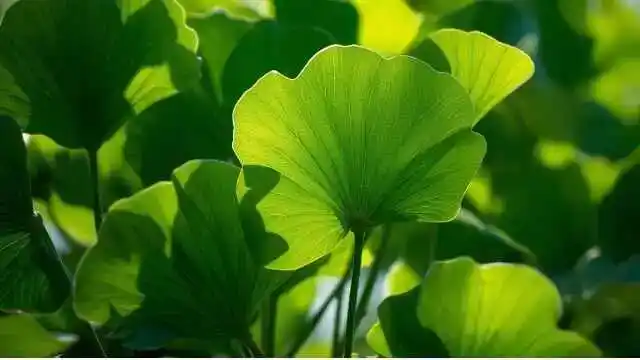
Ginkgo has been used for centuries in traditional Chinese herbal practice where the distinctive fan-shaped leaves were valued in herbal tonics and teas. The tree itself is often referred to as a living fossil and has long been associated with longevity and vitality in traditional botanical traditions.

Ginkgo has long been recognized in traditional herbal literature for its place in herbal preparations.

Traditional Herbal Texts

Gingko Preparation Methods

Ginkgo can be prepared in several traditional ways:


Herbal Tea

Dried ginkgo leaves may be steeped in hot water to produce a traditional herbal infusion often used in herbal wellness routines.

Part of the plant used: Leaves

Tincture

Ginkgo leaves are commonly extracted in alcohol to create concentrated herbal tinctures used in traditional herbal practice.

Part of the plant used: Leaves

Powdered Leaf

The dried leaves may be ground into a powder and used in herbal capsules or botanical preparations.

Part of the plant used: Leaves

Standardized Extract

Modern herbal supplements often use concentrated extracts derived from ginkgo leaves.

Part of the plant used: Leaves


Growing Gingko

Ginkgo is a large deciduous tree known for its unique fan-shaped leaves and remarkable resilience. It has been cultivated for centuries in gardens and landscapes and is valued both as an ornamental tree and for its historical botanical significance.

  • Prefers full sun and open growing space
  • Tolerates a wide range of soil types including urban soils
  • Drought tolerant once established
  • Hardy in USDA growing zones 3-9 across much of the United States
  • Commonly planted as a landscape tree in cities and parks throughout North America

Ginkgo trees grow slowly when young but can become large long-lived trees once established, often surviving for many decades or even centuries.


Safety Considerations

Ginkgo has a long history of traditional use in herbal preparations, particularly in Asian herbal traditions. However, care should always be taken when using herbal plants.

However:

  • Ginkgo may influence blood circulation and may interact with anticoagulant or blood‑thinning medications.
  • Individuals preparing for surgery are often advised to avoid ginkgo because of its potential influence on blood clotting.
  • Some individuals may experience mild digestive upset, headaches, or dizziness when using ginkgo preparations.
  • Ginkgo seeds contain compounds that may be toxic if consumed improperly and are not typically used in herbal preparations.
  • Pregnant or breastfeeding individuals should consult a qualified healthcare professional before using herbal preparations.
  • Always consult a qualified professional before using herbs for health purposes.

This information is provided for educational purposes only and is not medical advice.

Image Disclaimer: Images are for reference only and should not be used as the sole method of identification. Always confirm identification with a qualified source.
Frequently Asked Questions
What is Ginkgo traditionally used for?

Ginkgo has traditionally been used in herbal preparations for circulation and traditional cognitive support. It is commonly prepared as tea or tincture in traditional herbal practices.

Can this herb grow in the United States?

Many herbs of this type grow in temperate regions of North America depending on climate and soil conditions.

What part of the plant is used?

Different herbal traditions may use leaves, flowers, or other plant parts depending on the herb.

How is this herb prepared?

It may be prepared as tea, tincture, or infused herbal preparation.

Is this herb safe to use?

Traditional herbal references recommend using herbs cautiously and consulting a professional when necessary.

Is this herb used in herbal tea?

Many herbs are traditionally prepared as herbal teas or infusions.

Gingko Plant uses and benefits

Help Us Improve the Gingko Page

Do you grow, photograph, study, or work with this plant?

If you have an accurate photo, growing experience, traditional use note, identification detail, correction, or useful source to share, we would love to hear from you.

Your contribution may help improve the accuracy, usefulness, and educational value of this page for other readers.


Share a photo, correction, or plant note →

Botanical Overview

  • Botanical name: Ginkgo biloba
  • Family: Ginkgoaceae
  • Plant type: Tree
  • Native region: China
  • Common names: Ginkgo