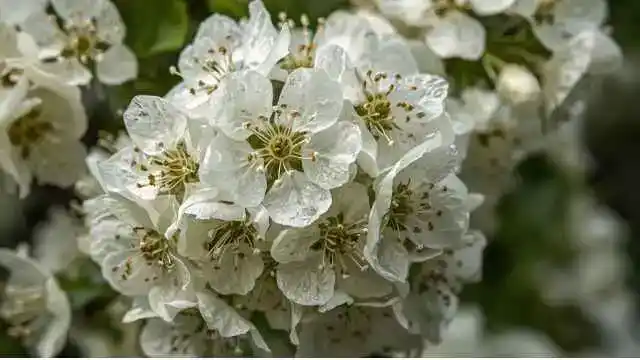

Hawthorn Benefits & Uses (Crataegus monogyna)

Hawthorn (Crataegus monogyna) is a plant belonging to the Rosaceae family. It is traditionally valued in herbal practices and grows in Europe. Various parts of the plant have historically been used in herbal preparations.

In traditional herbalism, hawthorn has been included in teas, tinctures, and other herbal preparations. The herb has appeared in historical herbal texts and continues to be referenced in modern herbal traditions.


Hawthorn Benefits and Traditional Uses

Hawthorn has traditionally been used to support:

  • Traditional heart and circulatory herbal preparations
  • Herbal tonics used in European herbal traditions
  • Berry-based herbal syrups and teas
  • Traditional botanical support for vitality
  • Seasonal herbal preparations using flowers and berries

Hawthorn has long been used in European and North American herbal traditions where the flowers, leaves, and berries were prepared in teas, syrups, and tinctures. In folklore it was often associated with protection and spring renewal, and the plant remains one of the classic herbs of traditional Western herbalism.

“In hawthorn-time the heart grows light.”

— Algernon Charles Swinburne, The Tale of Balen

Hawthorn Preparation Methods

Hawthorn can be prepared in several traditional ways:


Herbal Syrup

Ripe hawthorn berries may be gently simmered to create traditional herbal syrups used in seasonal preparations.

Part of the plant used: Berries

Fruit Preserve or Jam

The berries may be processed into traditional preserves or jams, reflecting their long history of use as both a food and herbal ingredient.

Part of the plant used: Berries

Dried Herbal Tea

Dried hawthorn berries may be used to prepare traditional herbal infusions or decoctions.

Part of the plant used: Berries

Tincture

The berries, leaves, or flowers may be extracted in alcohol to create traditional herbal tinctures.

Part of the plant used: Berries, leaves, or flowers

Hawthorn Berry Jam

Growing Hawthorn

Hawthorn is a hardy flowering shrub or small tree commonly found in hedgerows and woodland edges. It produces clusters of white spring flowers followed by red berries in autumn.

  • Prefers full sun to partial shade
  • Adapts well to a variety of soil types including clay soils
  • Tolerates wind and exposed conditions
  • Suitable for USDA hardiness zones 4-8 in many parts of the United States
  • Often planted as a hedge plant or wildlife-friendly tree

Hawthorn can grow vigorously and may spread naturally through bird-dispersed seeds, making it common in rural landscapes and naturalized areas.


Safety Considerations

Hawthorn has been widely used in traditional European and North American herbal traditions. Although it has a long history of use, herbal preparations should still be approached with care.

However:

  • Hawthorn may influence blood pressure and circulation and could interact with medications used for heart conditions.
  • Individuals taking cardiovascular medications should consult a healthcare professional before using hawthorn preparations.
  • Some individuals may experience mild digestive discomfort or nausea when consuming hawthorn products.
  • Hawthorn berries are generally used in moderate amounts within traditional preparations.
  • Pregnant or breastfeeding individuals should consult a qualified healthcare professional before using herbal preparations.
  • Always consult a qualified professional before using herbs for health purposes.

This information is provided for educational purposes only and is not medical advice.

Image Disclaimer: Images are for reference only and should not be used as the sole method of identification. Always confirm identification with a qualified source.
Frequently Asked Questions
What is Hawthorn traditionally used for?

Hawthorn has traditionally been used in herbal preparations for heart and circulatory herbal traditions. It is commonly prepared as tea or tincture in traditional herbal practices.

Can this herb grow in the United States?

Many herbs of this type grow in temperate regions of North America depending on climate and soil conditions.

What part of the plant is used?

Different herbal traditions may use leaves, flowers, or other plant parts depending on the herb.

How is this herb prepared?

It may be prepared as tea, tincture, or infused herbal preparation.

Is this herb safe to use?

Traditional herbal references recommend using herbs cautiously and consulting a professional when necessary.

Is this herb used in herbal tea?

Many herbs are traditionally prepared as herbal teas or infusions.

Hawthorn Benefits and Traditional Uses

Help Us Improve the Hawthorn Page

Do you grow, photograph, study, or work with this plant?

If you have an accurate photo, growing experience, traditional use note, identification detail, correction, or useful source to share, we would love to hear from you.

Your contribution may help improve the accuracy, usefulness, and educational value of this page for other readers.


Share a photo, correction, or plant note →

Botanical Overview

  • Botanical name: Crataegus monogyna
  • Family: Rosaceae
  • Plant type: Shrub or small tree
  • Native region: Europe
  • Common names: Hawthorn