Plant Type: Herb
This collection of herbs includes a wide range of species traditionally associated with digestion, relaxation, immune support, and general wellness. Each herb profile provides clear, research-informed information on botanical characteristics, traditional uses, preparation methods, and safety considerations.
-
Navelwort
Navelwort is a fleshy perennial herb traditionally used in folk practice for external applications. The leaves and fresh sap were the parts…
-
Oregano
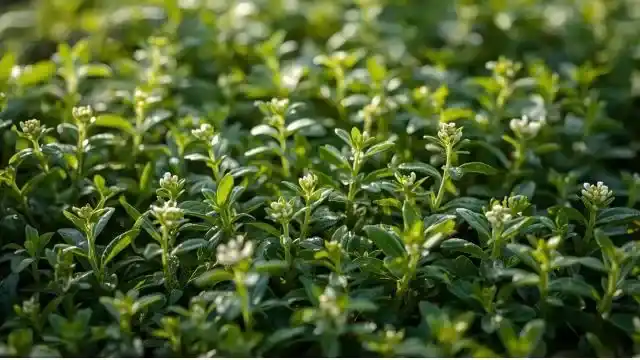
Oregano is a strongly aromatic herb widely used in cooking and traditional herbal practice. It has long been associated with warming teas,…
-
Parsley
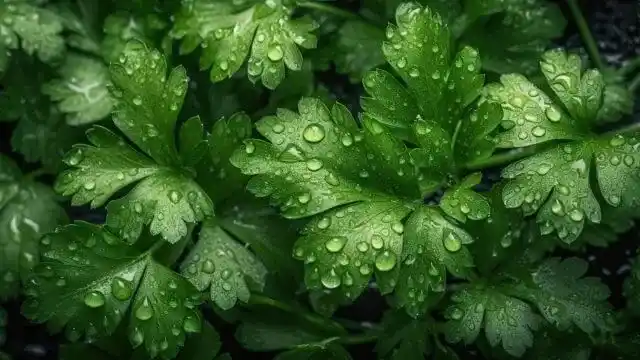
Parsley is a familiar culinary herb traditionally used in food, teas, and household herbal practice. The leaves, seeds, and root have all…
-
Peppermint
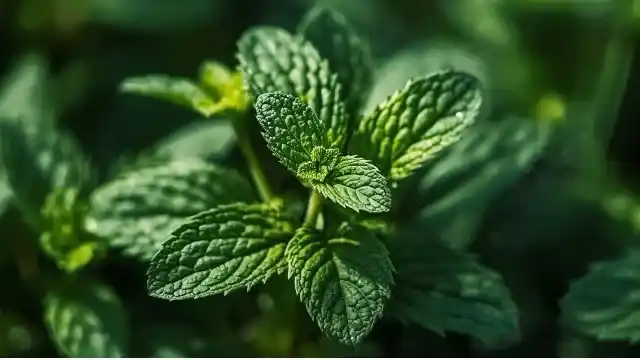
Peppermint is a cooling aromatic herb traditionally valued for its refreshing flavor and long history of use in herbal teas and household…
-
Pinella
Pinella is a traditional East Asian herb prepared from the processed tuber of Pinellia ternata. It has been used in classical formulas,…
-
Plantain
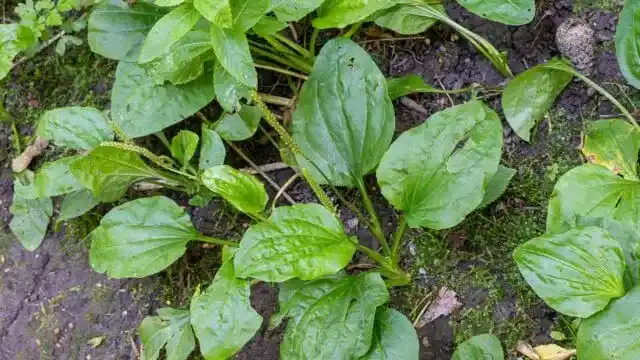
Plantain is a familiar broad-leaved herb often found in lawns, paths, and meadows. It has long been used in traditional herbal practice…
-
Red Sage
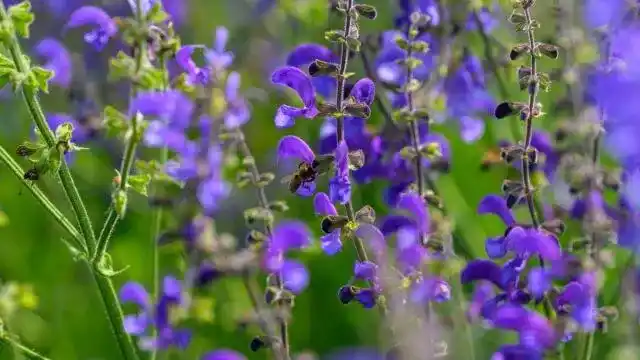
Red sage is a traditional Chinese root herb valued for circulatory and tonic use. The reddish root has long been prepared in…
-
Rose Geranium
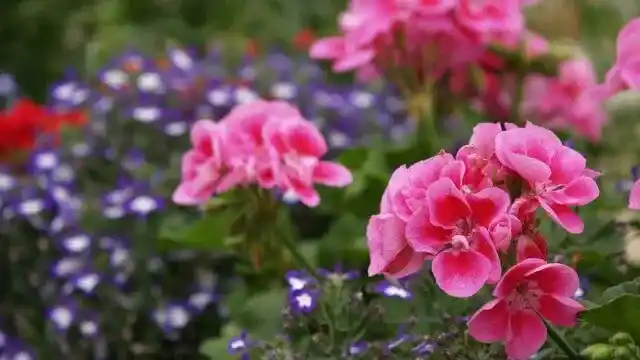
Rose geranium is an aromatic plant valued for its rosy scent and traditional skin care use. The leaves are commonly infused, added…
-
Sage
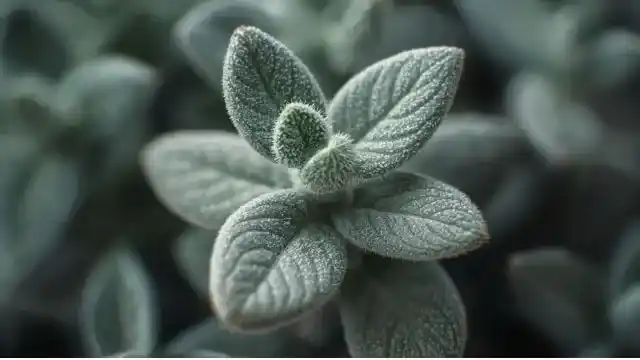
Sage is an aromatic Mediterranean herb traditionally valued for its velvety leaves, strong fragrance, and long history in kitchen and herbal practice.…
-
Self Heal
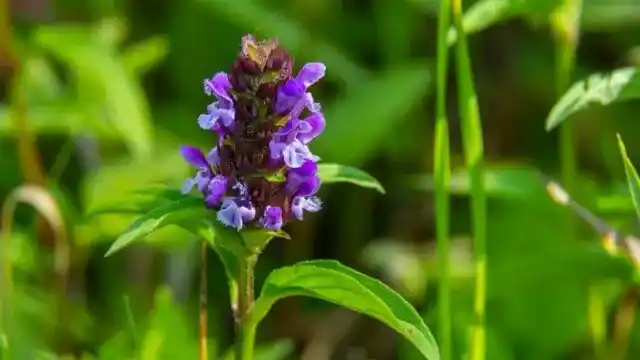
Self heal is a low-growing mint-family herb traditionally used in teas and external preparations. The flowering tops are the main part gathered…
-
Sheep Sorrel
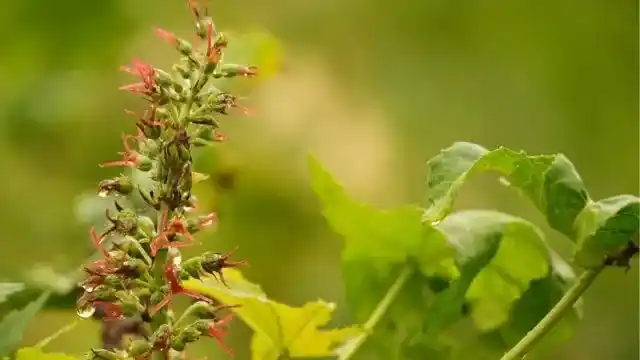
Sheep sorrel is a tart, low-growing wild herb traditionally used in simple teas and food-style preparations. The leaves are the part most…
-
Shepherds Purse
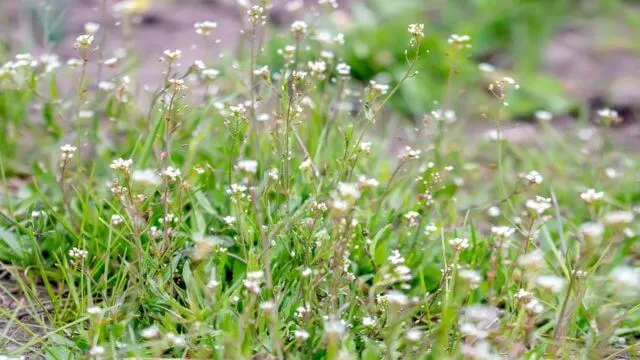
Shepherd’s purse is a common field herb traditionally used in teas and tinctures. The aerial parts are the portion most often gathered…
Looking for a specific plant?
Browse the full Flowers, Herbs & Plants A–Z directory →Plant Type: Herb
This collection of herbs includes a wide range of species traditionally associated with digestion, relaxation, immune support, and general wellness. Each herb profile provides clear, research-informed information on botanical characteristics, traditional uses, preparation methods, and safety considerations.
-
Navelwort is a fleshy perennial herb traditionally used in folk practice for external applications. The leaves and fresh sap were the parts most commonly mentioned. Native to western and southern Europe, it is known for its rounded, navel-like leaves and habit of growing on walls and rocky places.
-
Oregano is a strongly aromatic herb widely used in cooking and traditional herbal practice. It has long been associated with warming teas, steam preparations, and infused oils. Native to Europe and western Asia, oregano now grows easily in many parts of the United States.
-
Parsley is a familiar culinary herb traditionally used in food, teas, and household herbal practice. The leaves, seeds, and root have all been used in different traditions. Native to the Mediterranean, parsley is valued for its fresh flavor, bright green leaves, and broad garden usefulness.
-
Peppermint is a cooling aromatic herb traditionally valued for its refreshing flavor and long history of use in herbal teas and household preparations. A well-known member of the mint family, it remains one of the most familiar herbs in traditional botanical and culinary use.
-
Pinella is a traditional East Asian herb prepared from the processed tuber of Pinellia ternata. It has been used in classical formulas, but only after proper processing. Native to East Asia, raw pinella is considered irritating and requires particular caution.
-
Plantain is a familiar broad-leaved herb often found in lawns, paths, and meadows. It has long been used in traditional herbal practice for soothing skin, bites, and minor irritation. Native to Europe and Asia, plantain is now naturalized widely across the United States.
-
Red sage is a traditional Chinese root herb valued for circulatory and tonic use. The reddish root has long been prepared in decoctions and tinctures in East Asian herbal practice. Native to China and nearby regions, it belongs to the mint family and produces purple-blue flowers.
-
Rose geranium is an aromatic plant valued for its rosy scent and traditional skin care use. The leaves are commonly infused, added to baths, or used in fragrant household preparations. Native to southern Africa, it is widely grown as a tender garden herb and container plant.
-
Sage is an aromatic Mediterranean herb traditionally valued for its velvety leaves, strong fragrance, and long history in kitchen and herbal practice. It remains one of the classic household herbs and is widely recognized in teas, gargles, infused oils, and garden preparations.
-
Self heal is a low-growing mint-family herb traditionally used in teas and external preparations. The flowering tops are the main part gathered in folk herbal practice. Native across Europe, Asia, and North America, it is recognized for its purple flower spikes and creeping habit.
-
Sheep sorrel is a tart, low-growing wild herb traditionally used in simple teas and food-style preparations. The leaves are the part most often gathered and are known for their sour taste. Native to Europe and Asia, it is now common across North America in fields and poor soils.
-
Shepherd’s purse is a common field herb traditionally used in teas and tinctures. The aerial parts are the portion most often gathered in herbal practice. Native to Europe and Asia, it is now naturalized widely and is easily recognized by its small heart-shaped seed pods.
Looking for a specific plant?
Browse the full Flowers, Herbs & Plants A–Z directory →About Us
Organic Goodness offers the Flowers & Herbs website as an educational resource covering medicinal herbs, essential oils, botanical traditions and natural living.
Browse
Links
The information on this website is for educational purposes only and is not intended as medical advice. Always consult a qualified healthcare professional before using herbs, supplements, or natural products.