

Parsley Uses & How to Use It (Petroselinum crispum)

Parsley is a biennial herb known botanically as Petroselinum crispum, a member of the Apiaceae family native to the Mediterranean region. It forms bright green divided leaves and later flowering stems, and the leaves, seeds, and root have all appeared in traditional use depending on the preparation.

In traditional household practice, parsley has been used in food, kitchen remedies, and simple teas. It is one of the best-known culinary herbs and is often grown for both flavor and garden usefulness.

Parsley is easy to overlook because it is so common in cooking, yet it has a long history beyond garnish alone.

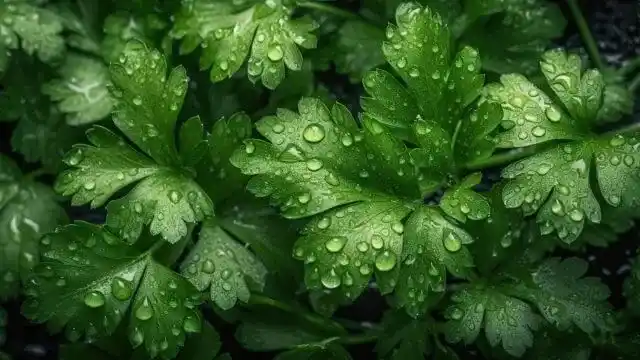
Parsley Benefits and Traditional Uses

Parsley has traditionally been used to support:

  • Culinary use in soups, sauces, and fresh herb dishes
  • Traditional digestive and after-meal preparations
  • Household herb teas and kitchen remedies
  • Seed and root use in older herbal practice
  • Fresh green herb tonics and broths

Historically, parsley has been both a kitchen staple and a household herb, appearing in European food traditions as well as simple domestic preparations.

“Parsley is one of the great kitchen herbs, valued for both flavor and household usefulness.”

“Parsley has long been one of the most useful herbs of the kitchen garden.”

— Traditional kitchen herbal reference

Parsley Preparation Methods

Parsley can be prepared in several traditional ways:


Fresh Culinary Use

Fresh parsley leaves may be chopped and added to food as a traditional culinary herb.

Part of the plant used: Leaves

Tea

Parsley leaves or seeds may be steeped in hot water in traditional household herbal use.

Part of the plant used: Leaves or seeds

Broth or Soup

Parsley root and leaves have long been used in stocks, broths, and vegetable preparations.

Part of the plant used: Leaves or root


Growing Parsley

Parsley is a cool-season biennial herb often grown as an annual in kitchen gardens, containers, and raised beds.

  • Prefers full sun to partial shade, especially in hotter climates
  • Grows best in rich, evenly moist, well-drained soil
  • Suitable for USDA zones 4-9 in many parts of the United States, though commonly grown as an annual
  • Well suited to kitchen gardens, container planting, and cool-season herb beds

Parsley can self-seed if allowed to flower, but it is not usually treated as a troublesome weed. Regular harvesting helps keep leaves tender and productive.


Safety Considerations

Parsley has a long history of culinary and traditional use, however concentrated seed or essential oil products require more caution than fresh kitchen use.

However:

  • Parsley used as a normal culinary herb is generally different from concentrated seed or essential oil preparations.
  • Very large amounts of parsley seed products may not be appropriate during pregnancy.
  • Individuals sensitive to plants in the Apiaceae family should use caution.
  • Topical contact with concentrated parsley products may irritate sensitive skin in some individuals.
  • Those with kidney concerns should seek professional advice before using large amounts of concentrated parsley preparations.
  • Always consult a qualified professional before using herbs for health purposes.

This information is provided for educational purposes only and is not medical advice.

Image Disclaimer: Images are for reference only and should not be used as the sole method of identification. Always confirm identification with a qualified source.
Frequently Asked Questions
What is parsley traditionally used for?

Parsley has traditionally been used as a culinary herb, in household teas, and in simple digestive or broth-based preparations. Leaves, root, and seeds have all appeared in different traditions.

What part of parsley is used?

Parsley leaves are the best-known part, but the root and seeds have also been used traditionally. Which part is used depends on the recipe or preparation.

How is parsley prepared?

Parsley is commonly used fresh in food, steeped as a tea, or added to soups and broths. Seed-based or concentrated products are much stronger than fresh culinary use.

Can parsley grow in the United States?

Yes. Parsley grows well across many parts of the United States and is commonly grown as a cool-season herb in USDA zones 4-9 and beyond.

Is parsley a herb or a vegetable?

Parsley is primarily treated as a culinary herb, although parsley root may also be used like a vegetable in some traditions. The leaves are the most familiar part.

Are there safety concerns with parsley?

Normal kitchen use is very different from concentrated seed or essential oil products. Those stronger forms require more caution, especially during pregnancy or in sensitive individuals.

Parsley Benefits and Traditional Uses

Help Us Improve the Parsley Page

Do you grow, photograph, study, or work with this plant?

If you have an accurate photo, growing experience, traditional use note, identification detail, correction, or useful source to share, we would love to hear from you.

Your contribution may help improve the accuracy, usefulness, and educational value of this page for other readers.


Share a photo, correction, or plant note →

Botanical Overview

  • Botanical name: Petroselinum crispum
  • Family: Apiaceae
  • Plant type: Biennial herb
  • Native region: Mediterranean region
  • Common names: Parsley, garden parsley, flat-leaf parsley