

Oregano Uses & How to Use It (Origanum vulgare)

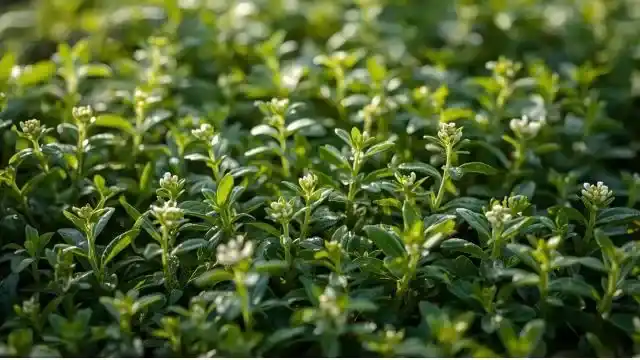
Oregano, or Origanum vulgare, is a perennial herb in the Lamiaceae family with branching stems, small oval leaves, and clusters of pink to purple flowers. Native to Europe and western Asia, it is now widely grown in gardens around the world. The leaves and flowering tops are the parts most often used, both as a culinary herb and in traditional herbal preparations.

In herbal traditions, oregano has been valued as a warming aromatic plant commonly prepared as tea, steam, infused oil, and tincture. It is often associated with seasonal wellness, digestion, and household herbal use, while also remaining one of the best-known savory kitchen herbs.

Because oregano is easy to grow, drought tolerant once established, and attractive to pollinators, it is a practical herb for many US home gardens.

Oregano Benefits and Traditional Uses

Oregano has traditionally been used to support:

  • Warming herbal teas used in seasonal wellness routines
  • Digestive comfort after rich meals
  • Steam preparations made from aromatic leaves
  • Traditional infused oils and household herbal remedies
  • Culinary seasoning with both herbal and food value
  • General warming formulas in Mediterranean folk practice

Historically, oregano has been an important herb in Mediterranean cooking and folk medicine for centuries. Its bold aroma and strong flavor gave it a place in both kitchen and apothecary traditions, where it was often used in warming preparations for digestion and seasonal support.

“Oregano has long stood at the meeting point of kitchen and apothecary, valued for its warmth, fragrance, and lively household use.”

— Traditional Mediterranean herbal practice

Oregano Preparation Methods

Oregano can be prepared in several traditional ways:


Tea or Hot Infusion

The dried leaves and flowering tops may be steeped in hot water to prepare a warming aromatic tea. This is a traditional household way to use oregano as an herb rather than only as a seasoning.

Part of the plant used: Leaves and flowering tops

Steam Preparation

Fresh or dried oregano may be added to hot water so the aromatic steam can be inhaled as part of traditional seasonal practice.

Part of the plant used: Leaves and flowering tops

Infused Oil

Oregano leaves may be infused in carrier oil for external use in traditional herbal preparations.

Part of the plant used: Leaves

Tincture

The fresh or dried aerial parts may be extracted in alcohol to make a concentrated liquid herbal preparation.

Part of the plant used: Leaves and flowering tops


Growing Oregano

Oregano is a low-growing to spreading perennial herb with woody stems at the base and fragrant leaves that release a strong scent when rubbed. It is easy to cultivate and performs especially well in sunny, well-drained positions.

  • Prefers full sun and light, well-drained soil
  • Needs moderate water while establishing, then tolerates dry conditions well
  • Hardy in USDA growing zones 4-10 in many parts of the United States
  • Well suited to herb gardens, containers, raised beds, and warm dry climates

Oregano can spread outward over time and benefits from regular trimming to keep it bushy and productive. In humid regions, good air circulation helps reduce fungal problems and keeps the plant healthier.


Safety Considerations

Oregano has a long history of traditional culinary and herbal use, but concentrated preparations should still be used with care.

However:

  • Strong oregano preparations may cause stomach irritation, heartburn, or digestive discomfort in sensitive individuals.
  • Topical oregano products, especially strong oils, may irritate the skin and should be diluted appropriately.
  • Individuals with sensitivity to plants in the Lamiaceae family should use caution.
  • Because oregano may influence blood clotting or blood sugar in some cases, people taking related medications should seek professional guidance.
  • Pregnant or breastfeeding individuals should use caution with concentrated oregano extracts or essential oil products.
  • Oregano essential oil is much stronger than the whole herb and should not be treated as equivalent to a culinary or tea preparation.

This information is provided for educational purposes only and is not medical advice.

Image Disclaimer: Images are for reference only and should not be used as the sole method of identification. Always confirm identification with a qualified source.
Frequently Asked Questions
What is oregano traditionally used for?

Oregano is traditionally used as both a culinary herb and a warming aromatic herb in teas, steam preparations, and household remedies. It is commonly associated with digestion and seasonal herbal use.

What part of oregano is used?

The leaves and flowering tops are the parts most often used. They may be used fresh or dried in cooking, infusions, oils, and tinctures.

Can oregano be used in tea?

Yes. Oregano can be steeped as a warming herbal tea using the dried or fresh leaves and flowering tops. The flavor is strong and aromatic, so it is often blended with other herbs.

Can oregano grow in the United States?

Yes. Oregano grows well in many parts of the United States and is hardy in USDA zones 4-10. It especially likes sunny gardens, containers, and dry well-drained soil.

Is oregano only a culinary herb?

No. Oregano is best known in cooking, but it also has a long history in traditional herbal practice. The same fragrant leaves used in food are also used in teas, oils, and other household preparations.

Are there safety concerns with oregano?

Oregano is widely used as a food herb, but concentrated preparations may irritate the stomach or skin in some people. Strong oregano oil products should be used with much more caution than the whole herb.

Oregano Benefits and Traditional Uses

Help Us Improve the Oregano Page

Do you grow, photograph, study, or work with this plant?

If you have an accurate photo, growing experience, traditional use note, identification detail, correction, or useful source to share, we would love to hear from you.

Your contribution may help improve the accuracy, usefulness, and educational value of this page for other readers.


Share a photo, correction, or plant note →

Botanical Overview

  • Botanical name: Origanum vulgare
  • Family: Lamiaceae
  • Plant type: Perennial herb
  • Native region: Europe and western Asia
  • Common names: Oregano, wild marjoram, common oregano