
Plant Type: Herb
This collection of herbs includes a wide range of species traditionally associated with digestion, relaxation, immune support, and general wellness. Each herb profile provides clear, research-informed information on botanical characteristics, traditional uses, preparation methods, and safety considerations.
-
Horsetail

Horsetail is a traditional herb used in herbal preparations for traditional mineral‑rich herbal preparations. The plant has a long history in European…
-
Hyssop
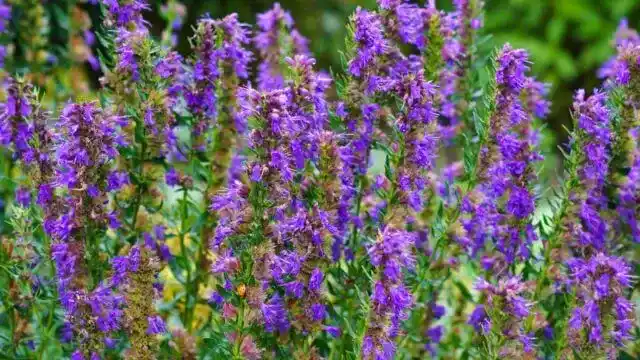
Hyssop is a strongly aromatic mint-family herb traditionally used in teas and herbal preparations. It has long been associated with respiratory and…
-
Kapikacchu
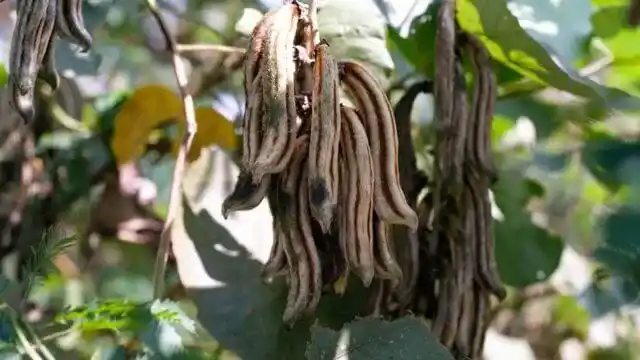
Kapikacchu is a tropical climbing legume traditionally used in Ayurvedic herbal practice. The seeds are the most widely used part after careful…
-
Knotgrass
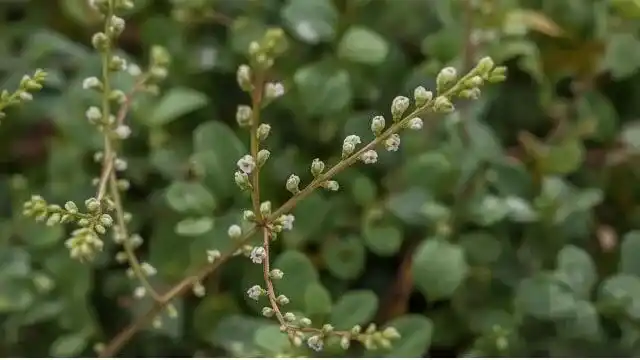
Knotgrass is a small, hardy herb traditionally used in astringent and digestive herbal preparations. The aerial parts have a long history of…
-
Lady’s Mantle
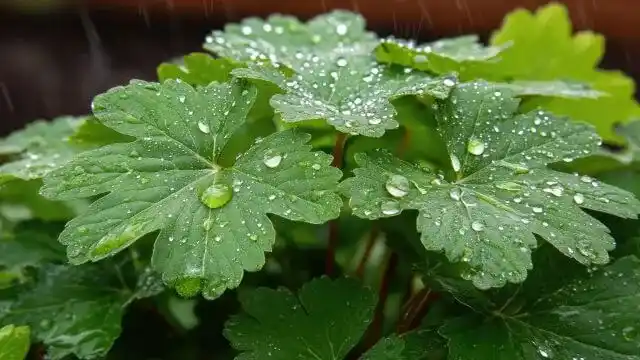
Lady’s Mantle is a traditional herb used in herbal preparations for traditional women’s herbal preparations. The plant has a long history in…
-
Lemon Balm
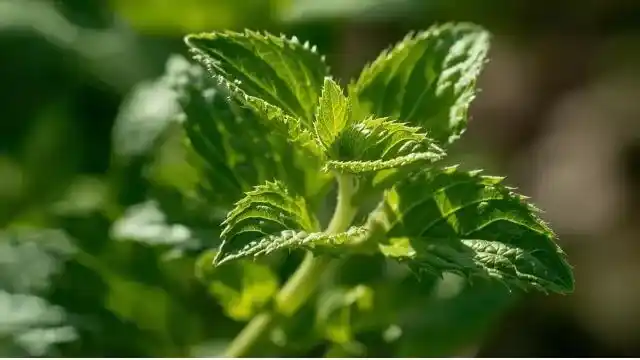
Lemon balm is a fragrant member of the mint family traditionally valued for its gentle lemon scent and long history of use…
-
Lemongrass
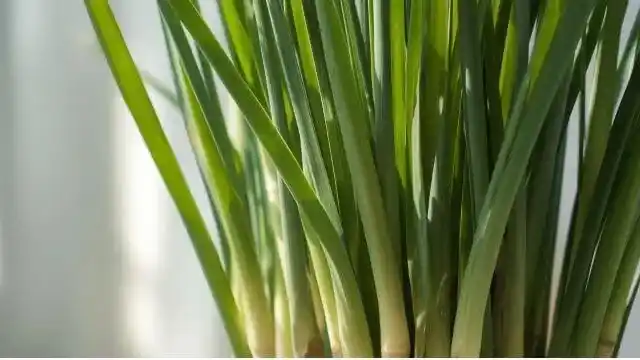
Lemongrass is a fragrant tropical grass traditionally used in teas, cooking, and aromatic preparations. It has long been associated with digestive comfort…
-
Lovage
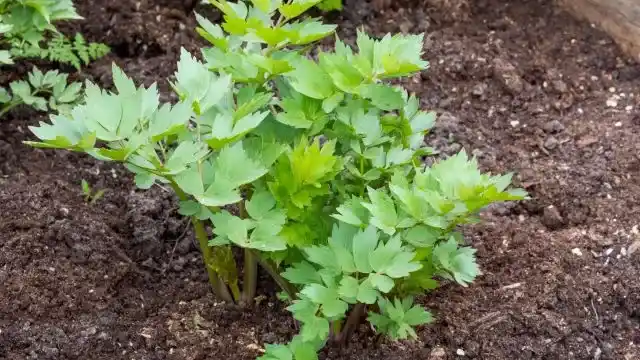
Lovage is a tall aromatic herb traditionally used in both herbal and culinary practice. Its leaves, seeds, and root have long been…
-
Marshmallow
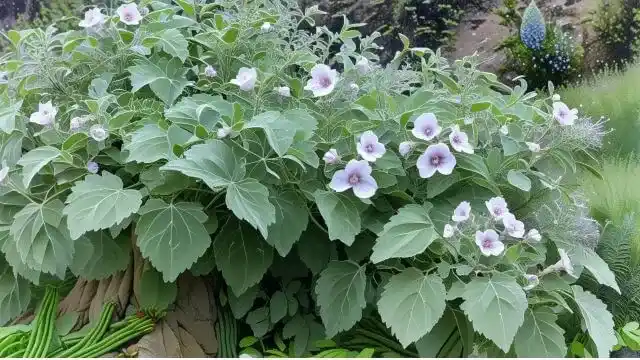
Marshmallow is a soft-leaved herb traditionally valued for its roots, leaves, and flowers in soothing herbal preparations. It has a long history…
-
Motherwort
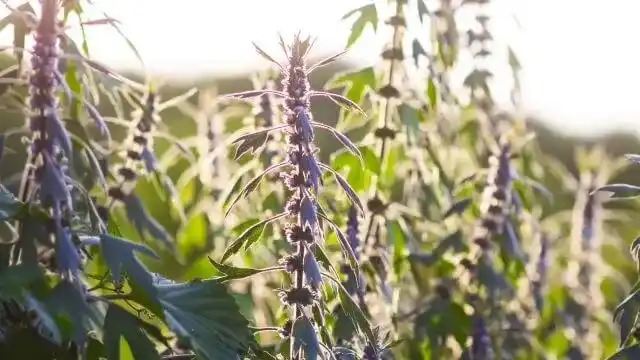
Motherwort is a traditional herb used in herbal preparations for traditional nervous system and women’s herbal use. The plant has a long…
-
Mugwort
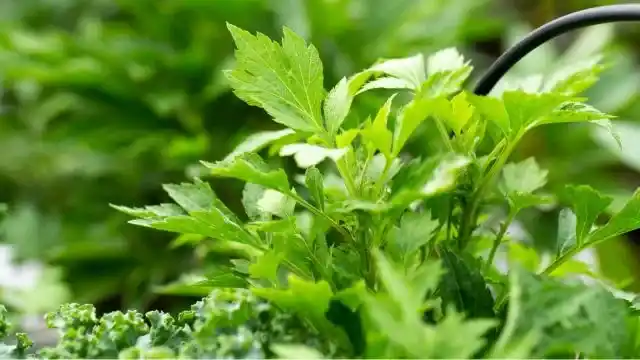
Mugwort is an aromatic bitter herb with a long history in European and Asian folk practice. The leaves and flowering tops have…
-
Mullein
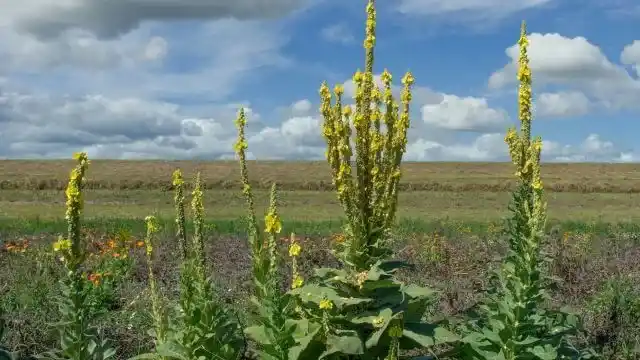
Mullein is a tall, soft-leaved herb traditionally used in herbal preparations for the lungs and throat. The leaves and flowers are often…
Looking for a specific plant?
Browse the full Flowers, Herbs & Plants A–Z directory →Plant Type: Herb
This collection of herbs includes a wide range of species traditionally associated with digestion, relaxation, immune support, and general wellness. Each herb profile provides clear, research-informed information on botanical characteristics, traditional uses, preparation methods, and safety considerations.
-
Horsetail is a traditional herb used in herbal preparations for traditional mineral‑rich herbal preparations. The plant has a long history in European and Asian herbal traditions.
-
Hyssop is a strongly aromatic mint-family herb traditionally used in teas and herbal preparations. It has long been associated with respiratory and digestive support in European herbal practice. Native to southern Europe, hyssop is valued for its fragrant leaves and blue flowers.
-
Kapikacchu is a tropical climbing legume traditionally used in Ayurvedic herbal practice. The seeds are the most widely used part after careful processing. Native to tropical regions of Asia and Africa, the plant is known for its pods, which are covered in irritating hairs.
-
Knotgrass is a small, hardy herb traditionally used in astringent and digestive herbal preparations. The aerial parts have a long history of use in older European herbal practice. Known for its wiry stems, knotgrass commonly grows in compacted soils and disturbed ground.
-
Lady’s Mantle is a traditional herb used in herbal preparations for traditional women’s herbal preparations. The plant has a long history in European and Asian herbal traditions.
-
Lemon balm is a fragrant member of the mint family traditionally valued for its gentle lemon scent and long history of use in herbal teas and calming botanical preparations. It remains a well-loved herb in traditional European herbal practices and cottage gardens.
-
Lemongrass is a fragrant tropical grass traditionally used in teas, cooking, and aromatic preparations. It has long been associated with digestive comfort and refreshing herbal blends. Native to Asia, lemongrass is valued for its lemon-scented leaves and clumping growth habit.
-
Lovage is a tall aromatic herb traditionally used in both herbal and culinary practice. Its leaves, seeds, and root have long been associated with digestion and savory tonics. Native to southern Europe, lovage is known for its bold celery-like flavor and vigorous garden growth.
-
Marshmallow is a soft-leaved herb traditionally valued for its roots, leaves, and flowers in soothing herbal preparations. It has a long history in European and Middle Eastern herbal practice and remains widely recognized in teas, cold infusions, and botanical blends.
-
Motherwort is a traditional herb used in herbal preparations for traditional nervous system and women’s herbal use. The plant has a long history in European and Asian herbal traditions.
-
Mugwort is an aromatic bitter herb with a long history in European and Asian folk practice. The leaves and flowering tops have been used in teas, bitters, and ceremonial traditions. Mugwort is known for its strong scent, silvery-backed leaves, and vigorous growth habit.
-
Mullein is a tall, soft-leaved herb traditionally used in herbal preparations for the lungs and throat. The leaves and flowers are often made into teas, oils, and soothing remedies. Native to Europe, Asia, and North Africa, it naturalized widely across the United States.
Looking for a specific plant?
Browse the full Flowers, Herbs & Plants A–Z directory →About Us
Organic Goodness offers the Flowers & Herbs website as an educational resource covering medicinal herbs, essential oils, botanical traditions and natural living.
Browse
Links
The information on this website is for educational purposes only and is not intended as medical advice. Always consult a qualified healthcare professional before using herbs, supplements, or natural products.