

Horsetail Benefits & Uses (Equisetum arvense)

Horsetail (Equisetum arvense) is a plant belonging to the Equisetaceae family. It is traditionally valued in herbal practices and grows in Northern Hemisphere. Various parts of the plant have historically been used in herbal preparations.

In traditional herbalism, horsetail has been included in teas, tinctures, and other herbal preparations. The herb has appeared in historical herbal texts and continues to be referenced in modern herbal traditions.

Horsetail is widely searched for its potential benefits, particularly for hair, skin, and nail support. Its naturally occurring silica content has attracted interest in research exploring its role in connective tissue, although its use remains grounded in traditional herbal practices.

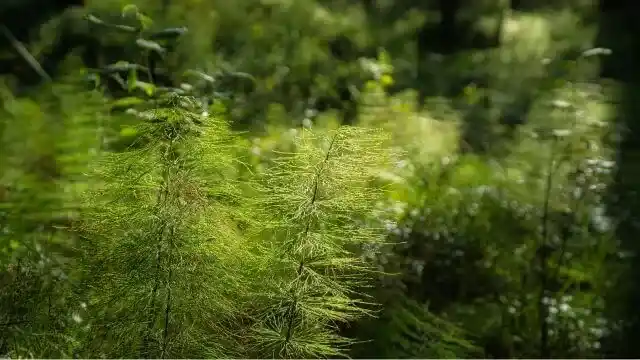
Horsetail Benefits and Traditional Uses

Horsetail has traditionally been used to support:

  • Traditional mineral-rich herbal preparations
  • Herbal teas used in European herbal traditions
  • Silica-rich botanical preparations
  • Traditional external compresses
  • Herbal tonics used in folk herbalism

Horsetail is one of the oldest plant species still growing today and has a long history in traditional European herbal practices. The plant’s high mineral content, particularly silica, made it notable in historical botanical preparations.

For old troubles… Horsetail is of great value. It cleanses, clears up and burns away everything bad, so to speak.”

— Abbé Kneipp, reflecting traditional European herbal use of horsetail

Horsetail Preparation Methods

Horsetail can be prepared in several traditional ways:


Herbal Tea

Dried horsetail stems may be simmered or steeped to produce a mineral-rich herbal infusion.

Part of the plant used: Stems

Decoction

Because of its tough structure, horsetail is sometimes gently simmered to extract its botanical compounds.

Part of the plant used: Stems

Compress

The herb may be prepared as a warm herbal compress in traditional external preparations.

Part of the plant used: Stems

Infused Oil

Dried horsetail may be infused into carrier oils used in topical herbal preparations.

Part of the plant used: Stems


Growing Horsetail

Horsetail is a perennial plant known for its distinctive jointed stems and ancient botanical lineage. It often grows in moist soils and can form spreading colonies.

  • Prefers moist soil and wetland conditions
  • Grows well in full sun to partial shade
  • Tolerates poor or sandy soils
  • Hardy in USDA zones 3-11 across much of the United States
  • Often considered an aggressive weed due to spreading underground rhizomes

Horsetail spreads easily and can be difficult to remove once established, making it both a resilient wild plant and a challenging garden species.  In the United States, horsetail is commonly regarded as a persistent weed due to its aggressive growth and deep rhizome system, although it also has a long history of use in traditional herbal practices, it may be locally managed or discouraged depending on the state or agricultural authority that you live in.


Safety Considerations

Horsetail has a long history of use in traditional herbal practices and is known for its high mineral content. However, certain precautions are commonly mentioned in herbal references.

However:

  • Horsetail contains an enzyme known as thiaminase which may affect vitamin B1 levels if consumed in very large amounts.
  • Some horsetail species contain compounds that may be toxic if incorrectly identified or prepared.
  • Individuals with kidney concerns should use caution when considering mineral‑rich herbal preparations.
  • Extended use of horsetail preparations may not be recommended without professional guidance.
  • Pregnant or breastfeeding individuals should consult a qualified healthcare professional before using herbal preparations.
  • Always consult a qualified professional before using herbs for health purposes.

This information is provided for educational purposes only and is not medical advice.

Image Disclaimer: Images are for reference only and should not be used as the sole method of identification. Always confirm identification with a qualified source.
Frequently Asked Questions
What is Horsetail traditionally used for?

Horsetail has traditionally been used in herbal preparations for traditional mineral‑rich herbal preparations. It is commonly prepared as tea or tincture in traditional herbal practices.

Can this herb grow in the United States?

Many herbs of this type grow in temperate regions of North America depending on climate and soil conditions.

What part of the plant is used?

Different herbal traditions may use leaves, flowers, or other plant parts depending on the herb.

How is this herb prepared?

It may be prepared as tea, tincture, or infused herbal preparation.

Is this herb safe to use?

Traditional herbal references recommend using herbs cautiously and consulting a professional when necessary.

Is this herb used in herbal tea?

Many herbs are traditionally prepared as herbal teas or infusions.

Horsetail Herb Plant Benefits and Uses

Help Us Improve the Horsetail Page

Do you grow, photograph, study, or work with this plant?

If you have an accurate photo, growing experience, traditional use note, identification detail, correction, or useful source to share, we would love to hear from you.

Your contribution may help improve the accuracy, usefulness, and educational value of this page for other readers.


Share a photo, correction, or plant note →

Botanical Overview

  • Botanical name: Equisetum arvense
  • Family: Equisetaceae
  • Plant type: Primitive perennial plant
  • Native region: Northern Hemisphere
  • Common names: Horsetail