

Mugwort Uses & Safety (Artemisia vulgaris)

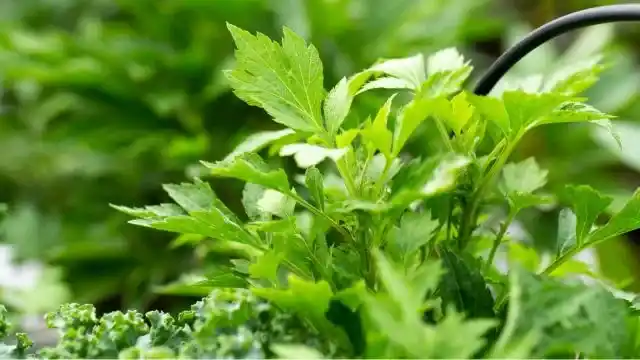
Mugwort is an aromatic perennial herb known botanically as Artemisia vulgaris, a member of the Asteraceae family native to Europe, Asia, and North Africa. It grows with deeply divided leaves, often green above and silvery beneath, and the leaves and flowering tops are the parts traditionally used.

In traditional herbal practice, mugwort has been used in bitters, teas, smoke cleansing traditions, and older women’s herbal preparations. It is valued for its strong aroma and its long cultural history.

Mugwort is also well known as a vivid dream herb in folk traditions, although its use varies greatly by culture and preparation method.

Mugwort Benefits and Traditional Uses

Mugwort has traditionally been used to support:

  • Traditional bitter and digestive support
  • Aromatic teas and bitters
  • Folk dream and ceremonial traditions
  • Herbal bath and smoke cleansing uses
  • Older women’s herbal preparations

Historically, mugwort has been important in both European and Asian folk traditions and is one of the classic strongly aromatic Artemisia herbs.

“Mugwort has long been counted among the old aromatic herbs of folk tradition.”

“Mugwort has long been counted among the old aromatic herbs of folk tradition.”

— Traditional European herbal reference

Mugwort Preparation Methods

Mugwort can be prepared in several traditional ways:


Tea

Dried mugwort leaves and flowering tops may be steeped in hot water for a traditional bitter tea.

Part of the plant used: Leaves and flowering tops

Tincture

Mugwort may be prepared as a tincture in traditional bitter herbal practice.

Part of the plant used: Leaves and flowering tops

Bath Blend

The dried herb may be added to bath preparations in folk traditions.

Part of the plant used: Leaves and flowering tops

Smoke Bundle

The dried aerial parts have historically been bundled for aromatic ceremonial use.

Part of the plant used: Leaves and flowering tops


Growing Mugwort

Mugwort is a hardy perennial herb that grows vigorously and can spread readily once established.

  • Prefers full sun to partial shade
  • Tolerates average, dry, or poor soils as long as drainage is reasonable
  • Hardy in USDA zones 3-9 across many parts of the United States
  • Often considered aggressive or weedy because it spreads by rhizomes and self-seeding

Mugwort is easy to grow but may need containment in garden settings. It is commonly found in roadsides, disturbed areas, and older gardens.


Safety Considerations

Mugwort has a long history of traditional use, however it is a strong aromatic herb and should be used thoughtfully.

However:

  • Mugwort belongs to the Asteraceae family and may trigger allergic reactions in individuals sensitive to ragweed, daisies, or related plants.
  • Its strong bitter and aromatic compounds may cause digestive discomfort in some individuals when used in larger amounts.
  • Mugwort is traditionally avoided during pregnancy because older herbal sources recommend caution with internal use.
  • Topical or smoke-based use may also irritate sensitive individuals.
  • Because mugwort can be confused with other Artemisia species, correct identification is important.
  • Always consult a qualified healthcare professional before using herbs for health purposes.

This information is provided for educational purposes only and is not medical advice.

Image Disclaimer: Images are for reference only and should not be used as the sole method of identification. Always confirm identification with a qualified source.
Frequently Asked Questions
What is mugwort traditionally used for?

Mugwort has traditionally been used in bitter teas, digestive preparations, ceremonial practices, and older folk herbal traditions.

What part of mugwort is used?

The leaves and flowering tops are the parts most commonly used in mugwort preparations.

Can mugwort be made into tea?

Yes. Mugwort is commonly prepared as a bitter herbal tea, although its strong flavor means it is usually used in modest amounts.

Does mugwort grow in the United States?

Yes. Mugwort grows widely in the United States and is hardy in USDA zones 3-9, often in disturbed ground and garden edges.

Is mugwort considered invasive or weedy?

It can be. Mugwort spreads readily by rhizomes and self-seeding, so it is often considered aggressive in garden settings.

Are there safety concerns with mugwort?

Yes. Mugwort may trigger allergies in people sensitive to the daisy family and is traditionally avoided during pregnancy.

Mugwort Benefits and Traditional Uses

Help Us Improve the Mugwort Page

Do you grow, photograph, study, or work with this plant?

If you have an accurate photo, growing experience, traditional use note, identification detail, correction, or useful source to share, we would love to hear from you.

Your contribution may help improve the accuracy, usefulness, and educational value of this page for other readers.


Share a photo, correction, or plant note →

Botanical Overview

  • Botanical name: Artemisia vulgaris
  • Family: Asteraceae
  • Plant type: Perennial herb
  • Native region: Europe, Asia, and North Africa
  • Common names: Common mugwort, wild wormwood, sailor’s tobacco