

Lovage Uses & How to Use It (Levisticum officinale)

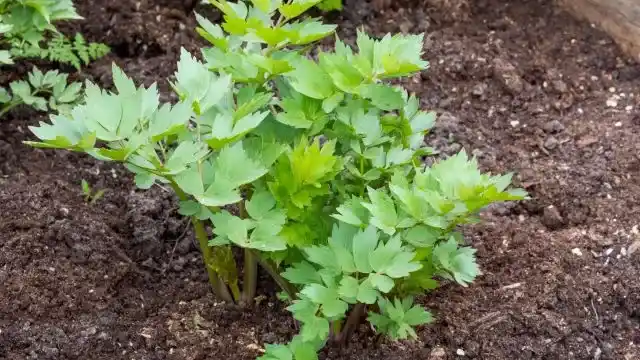
Lovage is a tall aromatic perennial herb known botanically as Levisticum officinale, a member of the Apiaceae family native to southern Europe. It has hollow stems, glossy divided leaves, and umbels of yellow-green flowers, with the leaves, seeds, and root all traditionally used.

In traditional herbal and culinary practice, lovage has been associated with digestion, aromatic tonics, and savory kitchen use. It may be prepared as tea, tincture, infused vinegar, or used as a fresh culinary herb.

Lovage is often noted for its strong celery-like flavor, which has given it a long history in both herb gardens and traditional cookery.

Lovage Benefits and Traditional Uses

Lovage has traditionally been used to support:

  • Digestive herbal teas and tonics
  • Traditional aromatic kitchen herb
  • Seeds and roots in older herbal formulas
  • Infused vinegars and culinary preparations
  • Warming household herb blends

Historically, lovage was prized in monastery gardens and traditional European kitchens, where it served as both a medicinal and culinary herb.

“Lovage has long held a place in the herb garden as both a useful kitchen plant and an aromatic medicinal herb.”

“Lovage has long held a place in the herb garden as both a useful kitchen plant and an aromatic medicinal herb.”

— Traditional European herbal reference

Lovage Preparation Methods

Lovage can be prepared in several traditional ways:


Tea

Lovage leaves or root may be infused in hot water for a traditional herbal tea.

Part of the plant used: Leaves or root

Tincture

The root or seeds may be prepared as a tincture in traditional herbal practice.

Part of the plant used: Root or seeds

Infused Vinegar

Fresh lovage leaves may be steeped in vinegar for culinary and household herbal use.

Part of the plant used: Leaves

Culinary Herb

Fresh lovage leaves are commonly added to soups, broths, and savory dishes.

Part of the plant used: Leaves


Growing Lovage

Lovage is a hardy perennial herb that grows into a large, upright plant and returns year after year in suitable climates.

  • Prefers full sun to partial shade
  • Grows best in rich, moist, well-drained soil with steady moisture
  • Hardy in USDA zones 3-9 across much of the United States
  • Commonly grown in temperate herb gardens where it has room to form a large clump

Lovage can become quite tall and broad, so it benefits from space and regular cutting of leaves. Once established, it is a long-lived and productive garden herb.


Safety Considerations

Lovage has a long history of traditional use, however certain precautions should be considered, particularly with concentrated use.

However:

  • Lovage may increase sensitivity to sunlight in some individuals, especially when used in larger amounts.
  • Individuals with kidney irritation or significant urinary concerns should use caution with concentrated internal use.
  • Because lovage belongs to the Apiaceae family, those sensitive to related plants should use caution.
  • Pregnant individuals are generally advised to avoid concentrated lovage preparations without professional guidance.
  • Topical preparations should be patch tested if skin sensitivity is a concern.
  • Always consult a qualified healthcare professional before using herbs for health purposes.

This information is provided for educational purposes only and is not medical advice.

Image Disclaimer: Images are for reference only and should not be used as the sole method of identification. Always confirm identification with a qualified source.
Frequently Asked Questions
What is lovage traditionally used for?

Lovage has traditionally been used for digestion, aromatic tonics, and savory herbal preparations.

What part of lovage is used?

The leaves, seeds, and root may all be used, depending on the type of preparation.

Is lovage used in cooking?

Yes. Lovage is widely known as a culinary herb with a strong celery-like flavor, especially in soups and broths.

Can lovage grow in the United States?

Yes. Lovage grows well in much of the United States in USDA zones 3-9, especially in rich, moist soil.

Does lovage taste like celery?

Yes. Lovage is often described as having a bold celery-like flavor, although it is usually stronger and more aromatic.

Are there safety concerns with lovage?

Lovage should be used with some caution because concentrated use may not be suitable during pregnancy and the herb may increase photosensitivity in some individuals.

Lovage Herb Benefits, Culinary and Traditional Uses

Help Us Improve the Lovage Page

Do you grow, photograph, study, or work with this plant?

If you have an accurate photo, growing experience, traditional use note, identification detail, correction, or useful source to share, we would love to hear from you.

Your contribution may help improve the accuracy, usefulness, and educational value of this page for other readers.


Share a photo, correction, or plant note →

Botanical Overview

  • Botanical name: Levisticum officinale
  • Family: Apiaceae
  • Plant type: Perennial herb
  • Native region: Southern Europe
  • Common names: Garden lovage, smellage