

Motherwort Benefits & Uses (Leonurus cardiaca)

Motherwort (Leonurus cardiaca) is a plant belonging to the Lamiaceae family. It is traditionally valued in herbal practices and grows in Europe and Asia. Various parts of the plant have historically been used in herbal preparations.

In traditional herbalism, motherwort has been included in teas, tinctures, and other herbal preparations. The herb has appeared in historical herbal texts and continues to be referenced in modern herbal traditions.

Motherwort Benefits and Traditional Uses

Motherwort has traditionally been used to support:

  • Traditional women’s herbal preparations
  • Herbal tonics used in European herbal traditions
  • Nervous system herbal preparations
  • Herbal teas and tinctures
  • Traditional calming botanical formulas

Motherwort has long been used in European and Asian herbal traditions. The plant’s name reflects its historic association with women’s herbal preparations and traditional botanical tonics.

Motherwort has long been recognized in traditional herbal literature for its place in herbal preparations.

Traditional Herbal Texts

Motherwort Preparation Methods

Motherwort can be prepared in several traditional ways:


Herbal Tea

The dried aerial parts may be steeped in hot water to produce a traditional herbal infusion.

Part of the plant used: Leaves and flowers

Tincture

Motherwort is commonly extracted in alcohol to create concentrated herbal tinctures.

Part of the plant used: Leaves and flowers

Infused Oil

The herb may be infused into oil for botanical preparations.

Part of the plant used: Leaves and flowers

Herbal Compress

Prepared infusions may be used as warm herbal compresses.

Part of the plant used: Leaves and flowers


Growing Motherwort

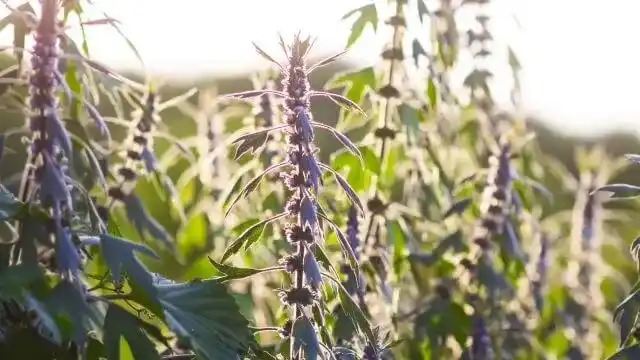
Motherwort is a hardy perennial herb belonging to the mint family and produces tall stems with small pink or purple flowers. It grows readily in many temperate climates.

  • Prefers full sun to partial shade
  • Grows well in well-drained garden soil
  • Tolerates poor or rocky soil
  • Hardy in USDA zones 4-8 across much of the United States
  • Often self-seeds and may appear as a garden volunteer plant or mild weed

Motherwort is relatively easy to grow and may naturalize in gardens where conditions are favorable.


Safety Considerations

Motherwort has a long history of use in traditional European and Asian herbal traditions. However, certain precautions are typically noted in herbal references.

However:

  • Motherwort may influence uterine activity and is generally avoided during pregnancy.
  • The herb may influence heart rate or circulation in some individuals.
  • Individuals taking medications affecting the heart or blood pressure should consult a healthcare professional before using herbal preparations.
  • Some individuals may experience digestive discomfort when consuming strong herbal preparations.
  • Breastfeeding individuals should consult a qualified healthcare professional before using herbal preparations.
  • Always consult a qualified professional before using herbs for health purposes.

This information is provided for educational purposes only and is not medical advice.

Image Disclaimer: Images are for reference only and should not be used as the sole method of identification. Always confirm identification with a qualified source.
Frequently Asked Questions
What is Motherwort traditionally used for?

Motherwort has traditionally been used in herbal preparations for traditional nervous system and women's herbal use. It is commonly prepared as tea or tincture in traditional herbal practices.

Can this herb grow in the United States?

Many herbs of this type grow in temperate regions of North America depending on climate and soil conditions.

What part of the plant is used?

Different herbal traditions may use leaves, flowers, or other plant parts depending on the herb.

How is this herb prepared?

It may be prepared as tea, tincture, or infused herbal preparation.

Is this herb safe to use?

Traditional herbal references recommend using herbs cautiously and consulting a professional when necessary.

Is this herb used in herbal tea?

Many herbs are traditionally prepared as herbal teas or infusions.

Motherwort Herb Traditional Uses and Benefits

Help Us Improve the Motherwort Page

Do you grow, photograph, study, or work with this plant?

If you have an accurate photo, growing experience, traditional use note, identification detail, correction, or useful source to share, we would love to hear from you.

Your contribution may help improve the accuracy, usefulness, and educational value of this page for other readers.


Share a photo, correction, or plant note →

Botanical Overview

  • Botanical name: Leonurus cardiaca
  • Family: Lamiaceae
  • Plant type: Perennial herb
  • Native region: Europe and Asia
  • Common names: Motherwort