

Marshmallow Benefits & Uses (Althaea officinalis)

Marshmallow is a perennial herb with velvety leaves, pale flowers, and a soft, upright growth habit. Native to Europe, western Asia, and parts of North Africa, it has long been cultivated and gathered for its roots and aerial parts, which were widely used in traditional herbal preparations.

Because marshmallow root develops a distinct mucilaginous quality when prepared, it became especially well known in old herbal traditions. The herb remains a classic example of a gentle plant used in teas, cold infusions, and household botanical preparations.

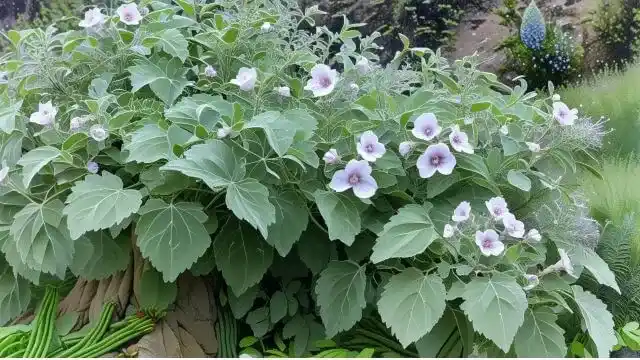
Marshmallow Benefits and Traditional Uses

Marshmallow has traditionally been used to support:

  • Soothing herbal teas
  • Cold herbal infusions
  • Root-based botanical preparations
  • Gentle household blends
  • Traditional mucilaginous herbs

Marshmallow has long been valued in European and Middle Eastern herbal traditions where the root, leaf, and flower were prepared in gentle herbal forms. It is especially well known as one of the classic herbs associated with soothing infusions and softening botanical blends.

Marshmallow has long been recognized as one of the classic gentle herbs in traditional soothing botanical preparations.

– Traditional herbal reference

Marshmallow Preparation Methods

Marshmallow can be prepared in several traditional ways:


Cold Infusion

Dried marshmallow root is often soaked in cool water for several hours to prepare a traditional cold infusion.

Part of the plant used: Root

Herbal Tea

The leaves and flowers may be steeped as a lighter herbal tea.

Part of the plant used: Leaves or flowers

Tincture

Marshmallow root or aerial parts may be prepared as an alcohol extract for concentrated herbal use.

Part of the plant used: Root, leaves, or flowers

Syrup

Marshmallow may be included in traditional syrup-style herbal preparations.

Part of the plant used: Root


Growing Marshmallow

Marshmallow is a hardy perennial herb that grows upright and produces soft foliage and pale blossoms through the warm season. It is well suited to herb gardens where there is enough moisture to support steady growth.

  • Plant type : Perrenial
  • Prefers full sun
  • Grows best in moist, well-drained soil
  • Benefits from regular watering during dry periods
  • Suitable for USDA hardiness zones 3-9 in the United States
  • Commonly grown in temperate gardens and moisture-retentive beds

Once established, marshmallow develops a useful root system and can return year after year when grown in favorable conditions.


Safety Considerations

Marshmallow has a long history of traditional use, however care should always be taken when using herbal plants.

However:

  • Marshmallow root is generally considered soothing, but its mucilage may affect absorption of some medications if taken at the same time.
  • Large amounts may occasionally cause digestive looseness or mild stomach discomfort in some individuals.
  • Only clean, properly dried root and leaf material should be used in herbal preparations.
  • Individuals with diabetes medications should use caution with concentrated products, as timing of absorption may matter.
  • Pregnant or breastfeeding individuals should consult a qualified healthcare professional before using marshmallow internally.
  • Always consult a qualified healthcare professional before combining herbs with prescription medications.

This information is provided for educational purposes only and is not medical advice.

Image Disclaimer: Images are for reference only and should not be used as the sole method of identification. Always confirm identification with a qualified source.
Frequently Asked Questions
What is marshmallow herb traditionally used for?

Marshmallow is traditionally used for its soothing, moistening qualities, especially for the throat, digestive tract, and skin. It is well known as a demulcent herb.

Which part of the Marshmallow Plant is medicinal ?

The root, flowers and leaf of marshmallow are used in herbal preparations. The root is especially valued for its rich mucilage content.

How is marshmallow commonly prepared?

Marshmallow is often prepared as a cold infusion, tea, syrup, tincture, capsules, or as an ingredient in soothing topical products. Cold preparations are often preferred for the root.

Why is marshmallow root often made as a cold infusion?

A cold infusion helps preserve the mucilage, which gives marshmallow its soothing and coating quality. This is one of the classic traditional ways to prepare the root.

Can marshmallow be used for the throat?

Marshmallow is traditionally used in teas, syrups, and lozenges for throat comfort because of its soft, soothing nature.

Can Marshmallow be grown in the United States?

Marshmallow grows best in moist soils and can be cultivated across many temperate parts of the United States, including the Northeast, Midwest, and Pacific Northwest. It is sometimes found naturalized in damp areas, but wild foraging should only be done where it is legal, unpolluted, and correctly identified.

Marshmallow (Althaea officinalis) medicinal herb root traditionally used in herbal remedies for soothing digestion and throat irritation

Help Us Improve the Marshmallow Page

Do you grow, photograph, study, or work with this plant?

If you have an accurate photo, growing experience, traditional use note, identification detail, correction, or useful source to share, we would love to hear from you.

Your contribution may help improve the accuracy, usefulness, and educational value of this page for other readers.


Share a photo, correction, or plant note →

Botanical Overview

  • Botanical name: Althaea officinalis
  • Family: Malvaceae
  • Plant type: Root herb
  • Native region: Europe, western Asia, and North Africa
  • Common names: Marshmallow, white mallow, common marshmallow, mortification root, sweet weed, wymote.