
Plant Type: Herb
This collection of herbs includes a wide range of species traditionally associated with digestion, relaxation, immune support, and general wellness. Each herb profile provides clear, research-informed information on botanical characteristics, traditional uses, preparation methods, and safety considerations.
-
Agrimony
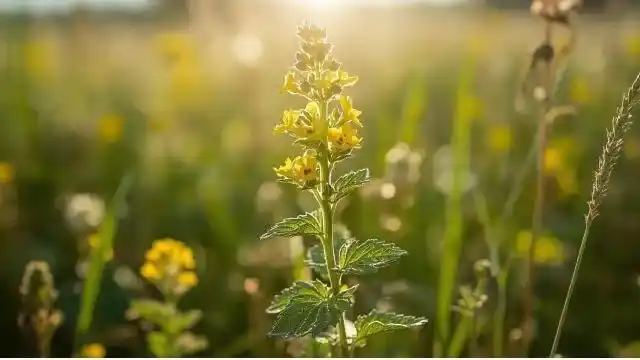
Agrimony is a traditional medicinal herb valued in herbal traditions. It has historically been used in herbal preparations and traditional remedies. Native…
-
Angelica
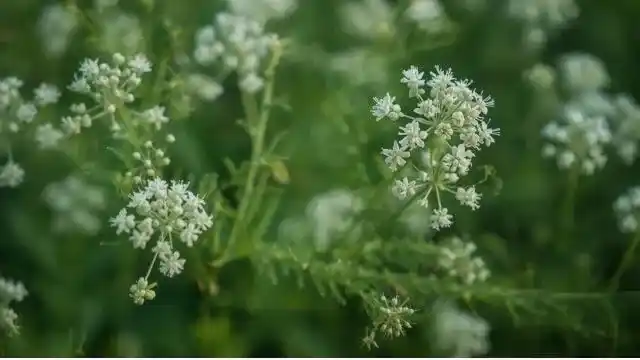
Angelica is one of those classic old-school herbal gems that’s been cherished for ages in traditional healing practices. People have turned to…
-
Aniseed
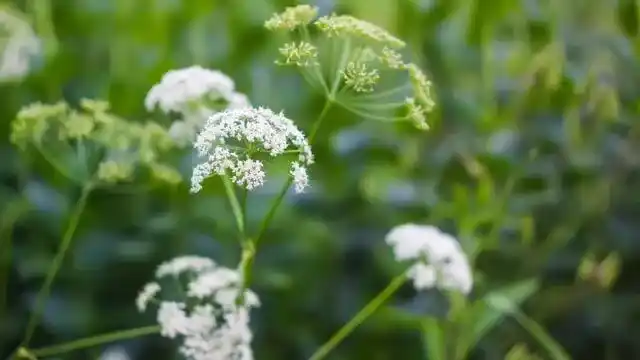
Aniseed is an aromatic herb grown for its sweet, licorice-flavored seeds and traditional digestive use. The seeds are commonly used in teas…
-
Asafoetida
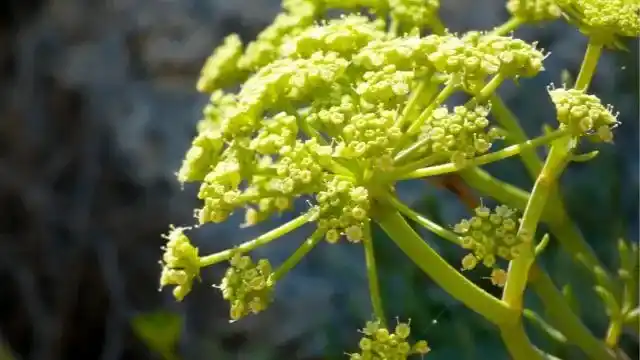
Asafoetida is a pungent resin traditionally used in cooking and aromatic herbal preparations. Small amounts are valued in spice blends and digestive…
-
Astragalus
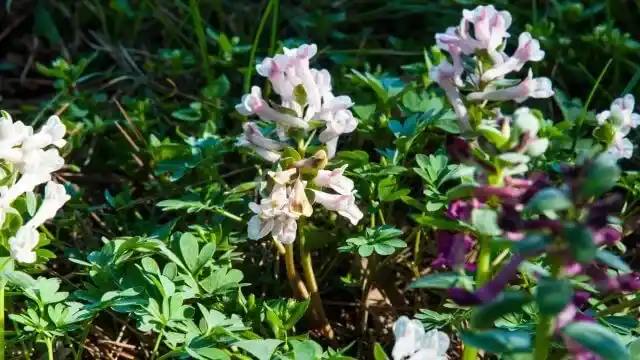
Astragalus is a traditional Asian root herb valued as a long-cooked tonic in soups, teas, and decoctions. It is commonly used for…
-
Baikal Skullcap
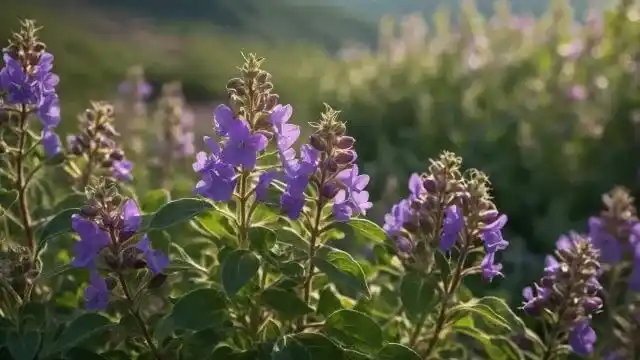
Baikal skullcap is a bitter-rooted herb traditionally used in East Asian herbal practice. The dried root is commonly prepared in decoctions and…
-
Betony
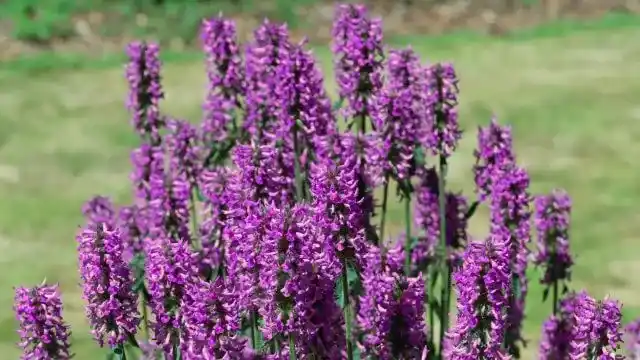
Betony is a traditional European flowering herb valued for its leaves and flowering tops. It has long been used in teas and…
-
Black Cohosh
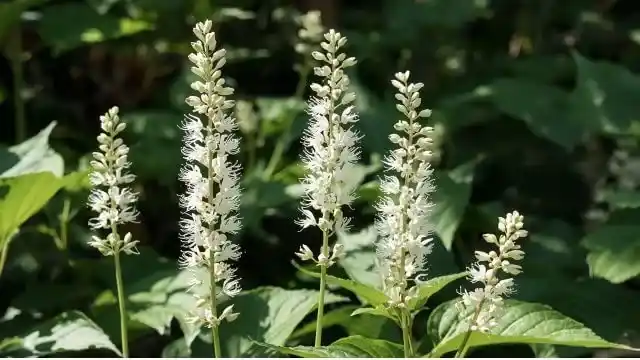
Black cohosh is a tall North American woodland herb valued for its knotty underground rhizome and root. It has a long history…
-
Black Seed
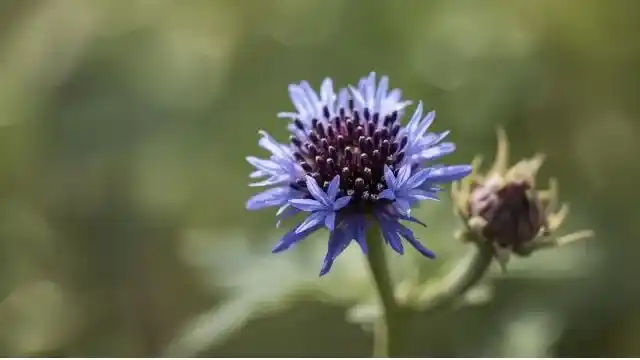
Black Seed is a traditional medicinal herb valued in herbal traditions. It has historically been used in herbal preparations and traditional remedies.…
-
Blessed Thistle
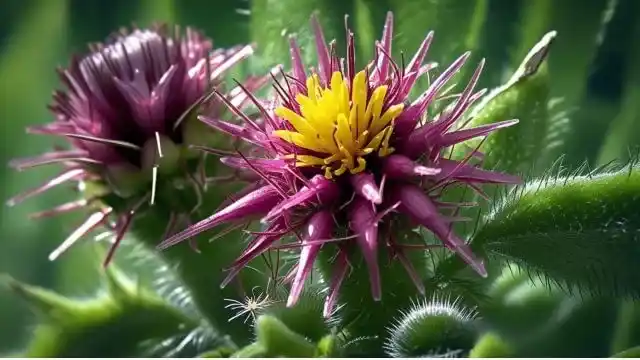
Blessed thistle is a spiny bitter herb long used in traditional European herbal practice. The flowering tops and leaves are commonly prepared…
-
Borage
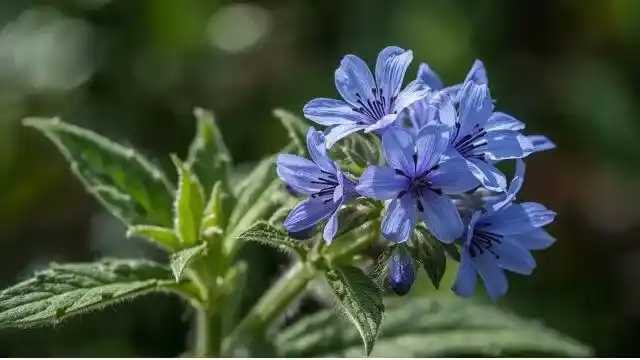
Borage is a bristly flowering herb traditionally valued for its star-shaped blue flowers and long use in herbal infusions and household preparations.…
-
Brahmi
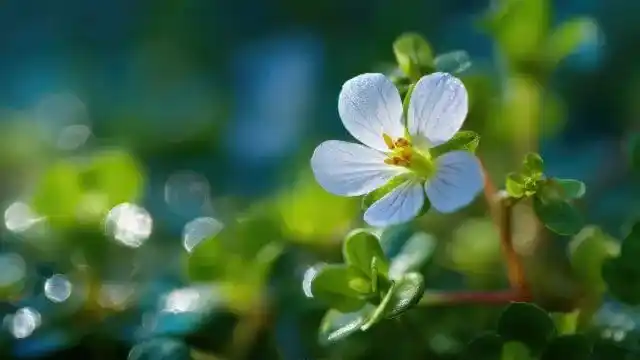
Brahmi is a small creeping herb traditionally used in Ayurvedic herbal practices for memory, focus, and nervous system support. The succulent leaves…
Looking for a specific plant?
Browse the full Flowers, Herbs & Plants A–Z directory →Plant Type: Herb
This collection of herbs includes a wide range of species traditionally associated with digestion, relaxation, immune support, and general wellness. Each herb profile provides clear, research-informed information on botanical characteristics, traditional uses, preparation methods, and safety considerations.
-
Agrimony is a traditional medicinal herb valued in herbal traditions. It has historically been used in herbal preparations and traditional remedies. Native to Europe and Western Asia, it has long been included in teas, tinctures, and herbal preparations.
-
Angelica is one of those classic old-school herbal gems that’s been cherished for ages in traditional healing practices. People have turned to it forever as a go-to remedy in all sorts of folk preparations. Native to Northern Europe and Asia, it has long been included in teas, tinctures, and herbal preparations.
-
Aniseed is an aromatic herb grown for its sweet, licorice-flavored seeds and traditional digestive use. The seeds are commonly used in teas and culinary spice blends. Native to the eastern Mediterranean, anise remains a valued herb in kitchen and herbal traditions.
-
Asafoetida is a pungent resin traditionally used in cooking and aromatic herbal preparations. Small amounts are valued in spice blends and digestive traditions. Sourced from Ferula species native to Central Asia, it is especially well known in Indian cuisine.
-
Astragalus is a traditional Asian root herb valued as a long-cooked tonic in soups, teas, and decoctions. It is commonly used for energy, seasonal wellness, and general resilience. Native to northern China and nearby regions, it is a hardy perennial in the pea family.
-
Baikal skullcap is a bitter-rooted herb traditionally used in East Asian herbal practice. The dried root is commonly prepared in decoctions and tinctures for cooling and balancing formulas. Native to China, Mongolia, and surrounding regions, it is a hardy perennial in the mint family.
-
Betony is a traditional European flowering herb valued for its leaves and flowering tops. It has long been used in teas and tinctures for the head, nerves, and digestion. Native to Europe and western Asia, it is a hardy perennial in the mint family.
-
Black cohosh is a tall North American woodland herb valued for its knotty underground rhizome and root. It has a long history in traditional women’s herbal preparations and compound formulas. Native to eastern North America, it prefers rich soil, shade, and cool woodland conditions.
-
Black Seed is a traditional medicinal herb valued in herbal traditions. It has historically been used in herbal preparations and traditional remedies. Native to Southwest Asia, it has long been included in teas, tinctures, and herbal preparations.
-
Blessed thistle is a spiny bitter herb long used in traditional European herbal practice. The flowering tops and leaves are commonly prepared in teas, tinctures, and digestive bitters. Native to the Mediterranean region, it is usually grown as an annual in sunny, well-drained gardens.
-
Borage is a bristly flowering herb traditionally valued for its star-shaped blue flowers and long use in herbal infusions and household preparations. It has been appreciated in European herb gardens for both its ornamental beauty and its place in traditional botanical practice.
-
Brahmi is a small creeping herb traditionally used in Ayurvedic herbal practices for memory, focus, and nervous system support. The succulent leaves are commonly prepared in teas, powders, and extracts. It naturally grows in damp tropical areas and is often associated with wetlands and shallow water.
Looking for a specific plant?
Browse the full Flowers, Herbs & Plants A–Z directory →About Us
Organic Goodness offers the Flowers & Herbs website as an educational resource covering medicinal herbs, essential oils, botanical traditions and natural living.
Browse
Links
The information on this website is for educational purposes only and is not intended as medical advice. Always consult a qualified healthcare professional before using herbs, supplements, or natural products.