

Betony Benefits & Uses (Stachys officinalis)

Betony, or Stachys officinalis, is a perennial flowering herb in the Lamiaceae family native to Europe and western Asia. It produces upright square stems, softly toothed leaves, and spikes of purple-pink flowers. The aerial parts, especially the leaves and flowering tops, are the parts most often used in traditional herbal preparations.

In old European herbal literature, betony was one of the classic household herbs and was associated with the head, nerves, digestion, and general strengthening. It was commonly made into tea, tincture, or wine-based preparations and was often valued as a versatile plant for the home garden.

Betony is sometimes called wood betony, although that common name can also be used for unrelated plants in other regions. For herbal use, the intended species is usually Stachys officinalis.

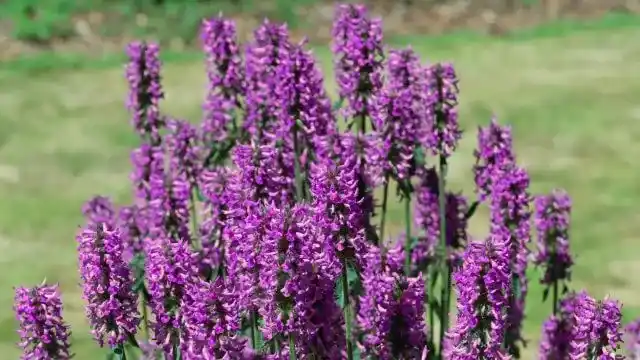
Betony Benefits and Traditional Uses

Betony has traditionally been used to support:

  • Traditional teas for nervous tension and mental fatigue
  • Herbal support for occasional headaches in old European practice
  • Digestive comfort and gentle bitter use
  • Gargles and infusions for the mouth and throat
  • Restorative household herb preparations
  • Tinctures and wines made from the leaves and flowering tops

Historically, betony was such a respected herb in Europe that an old saying advised people to value it highly. It was a familiar monastic and cottage-garden plant, and many older herbals describe it as a useful everyday remedy for the head, nerves, and digestion.

“Sell your coat and buy betony.”

— Old European herbal proverb

Betony Preparation Methods

Betony can be prepared in several traditional ways:


Tea

The dried leaves and flowering tops may be infused in hot water to make a traditional herbal tea. This is one of the simplest and most common ways betony has been used.

Part of the plant used: Leaves and flowering tops

Tincture

Fresh or dried betony may be extracted in alcohol to create a tincture. Tinctures are often used when a longer-lasting liquid preparation is preferred.

Part of the plant used: Leaves and flowering tops

Infused Oil

The aerial parts may be infused into a carrier oil for use in topical herbal preparations. A gentle infused oil is sometimes included in massage blends or external applications.

Part of the plant used: Leaves and flowering tops

Compress

A strong infusion of betony may be used to prepare a warm compress or cloth application. This is a traditional way to use the herb externally.

Part of the plant used: Leaves and flowering tops


Growing Betony

Betony is a tidy perennial herb that forms a basal clump of leaves and sends up flowering spikes in summer. It is an attractive cottage-garden plant and can be grown both for ornamental value and for harvesting the aerial parts.

  • Prefers full sun to partial shade and reasonably well-drained soil
  • Grows best with moderate moisture and does not like prolonged waterlogging
  • Hardy in USDA growing zones 4-8 in many temperate parts of the United States
  • Suitable for herb gardens, borders, and pollinator-friendly plantings

Betony is not usually difficult to grow, but it performs best when divided or replanted only occasionally. Harvesting the flowering tops regularly may help keep the plant compact and productive.


Safety Considerations

Betony has a long history of traditional use and is generally regarded as a mild herb, but thoughtful use is still important.

However:

  • Some individuals may experience mild digestive discomfort if betony tea is taken too strong or in large amounts.
  • Because betony is sometimes used in calming preparations, caution may be appropriate when combining it with sedative herbs or medications.
  • People with sensitivity to plants in the mint family should introduce betony carefully.
  • Pregnant or breastfeeding individuals should consult a qualified healthcare professional before using concentrated betony preparations.
  • Topical preparations may occasionally irritate sensitive skin, so patch testing is sensible before wider use.
  • Always seek professional guidance when using herbal preparations regularly or alongside prescription medicines.

This information is provided for educational purposes only and is not medical advice.

Image Disclaimer: Images are for reference only and should not be used as the sole method of identification. Always confirm identification with a qualified source.
Frequently Asked Questions
What is betony traditionally used for?

Betony is traditionally used for the head, nerves, and digestion in European herbal practice. It has long been prepared as tea or tincture for nervous tension, occasional headaches, and general household herbal support.

What part of betony is used in herbal preparations?

The leaves and flowering tops are the parts most commonly used. They are usually harvested when the plant is in bloom and then dried for tea, tincture, infused oil, or compress preparations.

How is betony usually prepared?

Betony is most often prepared as an herbal tea or tincture. It can also be infused into oil or made into a warm compress, especially when the herb is being used as part of a broader household herbal tradition.

Is betony the same as wood betony?

In herbal literature, betony and wood betony usually refer to Stachys officinalis. However, the common name wood betony can also be used for unrelated plants in some regions, so the botanical name is the best way to confirm the correct herb.

Can betony grow in the United States?

Yes. Betony can be grown in many temperate US gardens, especially in USDA zones 4-8. It prefers moderate moisture, decent drainage, and full sun to partial shade, making it suitable for cottage-style herb beds and borders.

Are there safety concerns with betony?

Betony is generally considered a mild herb, but very strong preparations may upset the stomach in some people. As with many herbs, concentrated use during pregnancy, breastfeeding, or alongside medications is best discussed with a qualified professional.

Betony Plant Benefits and Traditional uses

Help Us Improve the Betony Page

Do you grow, photograph, study, or work with this plant?

If you have an accurate photo, growing experience, traditional use note, identification detail, correction, or useful source to share, we would love to hear from you.

Your contribution may help improve the accuracy, usefulness, and educational value of this page for other readers.


Share a photo, correction, or plant note →

Botanical Overview

  • Botanical name: Stachys officinalis
  • Family: Lamiaceae
  • Plant type: Perennial herb
  • Native region: Europe and western Asia
  • Common names: Betony, wood betony, bishopwort