

Borage Benefits & Uses (Borago officinalis)

Borage is an annual herb with soft, hairy leaves and striking blue star-shaped flowers. Native to the Mediterranean region, it has long been cultivated in kitchen gardens and herb plots where it was valued for both its appearance and its traditional role in herbal infusions and household preparations.

Historically, borage was included in European herbals as a garden plant associated with cooling drinks, floral garnishes, and gentle herbal uses. Its flowers and leaves have remained familiar in traditional herbal and culinary settings for generations.

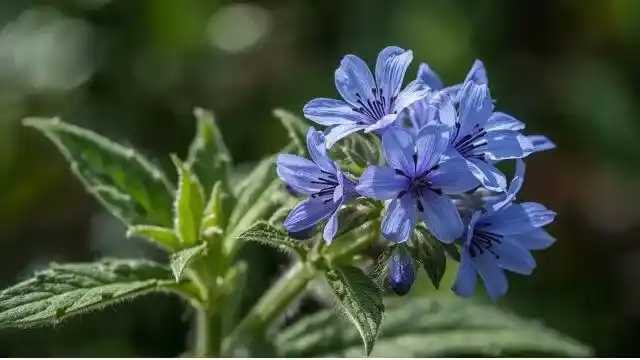
Traditionally known as Starflower or Herb of Joy

Borage is a cheerful garden herb with bright blue, star-shaped flowers, which is why it is often known as starflower. It has also been called the Herb of Joy, a name that reflects its long traditional association with courage, uplifted spirits, and good cheer.

In the garden, borage is loved just as much by pollinators as it is by people. Bees are especially drawn to the nectar-rich flowers, making it a beautiful companion plant for vegetable gardens, herb beds, and cottage-style planting. The flowers are edible and can be used fresh in salads, frozen into ice cubes, or added as a pretty garnish for summer drinks and desserts.

Borage has traditionally been used to support:

  • Herbal teas and infusions
  • Cooling household drinks
  • Garden herbal preparations
  • Traditional floral garnishes
  • Gentle seasonal blends


Borage has long been appreciated as both a garden herb and a traditional plant for floral and household herbal preparations.

– Traditional herbal reference

Preparing Borage at Home

Borage can be prepared in several traditional ways:


Herbal Tea

Fresh or dried borage leaves and flowers may be steeped in hot water to prepare a traditional herbal infusion.

Part of the plant used: Leaves or flowers

Fresh Garnish

The bright blue flowers are often added fresh to traditional drinks and culinary preparations.

Part of the plant used: Flowers

Infused Vinegar

Borage flowers may be added to vinegar for decorative and traditional household herbal preparations.

Part of the plant used: Flowers

Cooling Drink

Leaves and flowers have traditionally been included in seasonal beverages and light herbal blends.

Part of the plant used: Leaves or flowers


Borage dates back to 1709 in the USA

Borage has been grown in American gardens for a very long time. Although it is a European annual herb, it appears in early colonial garden records, including John Lawson’s 1709 work A New Voyage to Carolina, where borage is listed among the pot herbs and plants already grown or used in Carolina. Today, borage is still loved as an easy, self-seeding garden herb with blue, star-shaped flowers that attract bees and bring a cottage-garden feel to vegetable beds, herb gardens, and edible flower plantings. You can read the historical source in John Lawson’s A New Voyage to Carolina.

Borage is a fast-growing annual herb that is easy to raise from seed and often adds both color and pollinator activity to the garden. It grows upright with branching stems and tends to self-seed readily when conditions are favorable.

  • Prefers full sun
  • Grows best in well-drained soil
  • Benefits from moderate watering during dry periods
  • Suitable for USDA hardiness zones 2-11 as a seasonal annual in the United States
  • Commonly grown in herb gardens, cottage gardens, and pollinator plantings

Borage often reseeds itself in garden beds, making it a useful and low-maintenance addition to warm-season herb gardens.


Safety Considerations

Borage has a long history of traditional use, however care should always be taken when using herbal plants.

However:

  • Only properly prepared borage products intended for use should be considered, as some borage materials may contain pyrrolizidine alkaloids that can place stress on the liver.
  • Borage seed oil and other concentrated products should be sourced carefully and used with attention to quality.
  • Some individuals may experience digestive upset when using borage internally.
  • The fine hairs on fresh borage leaves may irritate sensitive skin when handled.
  • Pregnant or breastfeeding individuals should consult a qualified healthcare professional before using borage preparations.
  • Individuals with liver concerns or those using medications that affect the liver should use caution.


This information is provided for educational purposes only and is not medical advice.

Image Disclaimer: Images are for reference only and should not be used as the sole method of identification. Always confirm identification with a qualified source.
Frequently Asked Questions
What is borage traditionally used for?

Borage has traditionally been used as both a culinary and herbal plant. Its leaves and flowers have been used in herbal teas and seasonal drinks, while the seeds are pressed to produce borage oil used in skin care preparations.

What part of borage is used in herbal preparations?

Several parts of the borage plant are used. The leaves and blue star-shaped flowers are used in teas and culinary dishes, while the seeds are pressed to produce borage seed oil.

How is borage commonly prepared?

Borage leaves and flowers may be used fresh or dried in herbal teas. The seeds are pressed to produce borage seed oil, which is commonly included in creams and skin care preparations.

What is borage oil used for in skin care?

Borage seed oil is often included in creams and lotions intended to support dry or sensitive skin. It is valued for its naturally occurring fatty acids and is commonly used in moisturizing skin care products.

What herbs are commonly used with borage?

Borage is sometimes combined with herbs such as calendula, chamomile, and lavender in traditional herbal skin care preparations.

Can borage be grown in the United States?

Borage grows easily in many parts of the United States. It prefers full sun and well-drained soil and is commonly grown in herb gardens.

Borage (Borago officinalis) flowering medicinal herb traditionally used for herbal teas and skin preparations

Help Us Improve the Borage Page

Do you grow, photograph, study, or work with this plant?

If you have an accurate photo, growing experience, traditional use note, identification detail, correction, or useful source to share, we would love to hear from you.

Your contribution may help improve the accuracy, usefulness, and educational value of this page for other readers.


Share a photo, correction, or plant note →

Botanical Overview

  • Botanical name: Borago officinalis
  • Family: Boraginaceae
  • Plant type: Annual herb
  • Native region: Mediterranean region
  • Common names: Borage, starflower, bee bread