

Black Cohosh Benefits & Uses (Actaea racemosa)

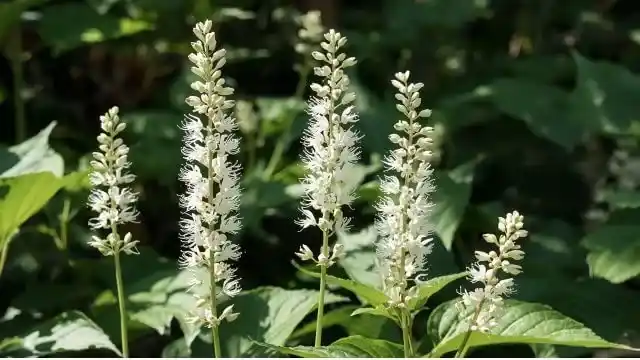
Black cohosh, or Actaea racemosa, is a tall perennial herb in the Ranunculaceae family native to eastern North America. It produces divided leaves, upright stems, and long white flower spikes above a dark, knotty rhizome. The rhizome and root are the parts most often used in traditional herbal practice and are commonly prepared as tinctures or decoctions.

In North American herbal traditions, black cohosh has long been associated with women’s health, especially menstrual and menopausal support. It also appears in older Eclectic and Indigenous records in relation to muscular tension and broader constitutional formulas.

Because black cohosh is a woodland plant that is slow to establish, cultivated material is generally preferred over unsustainably harvested wild root. Responsible sourcing is an important part of modern herbal use with this plant.

Black Cohosh Benefits and Traditional Uses

Black cohosh has traditionally been used to support:

  • Traditional women’s herbal formulas for menstrual comfort
  • Support during the menopausal transition in modern herbal practice
  • Herbal preparations associated with muscular tension and stiffness
  • Compound formulas used in North American traditions
  • Tinctures and decoctions made from the rhizome and root
  • Older Eclectic and Indigenous herbal preparations

Historically, black cohosh was used by several Native American groups and later became well known in nineteenth-century North American herbal medicine. It remains one of the most recognized traditional women’s herbs, although it is usually used thoughtfully and in measured amounts rather than as a casual kitchen herb.

“Black cohosh root has a long history of use in North American herbal practice and was especially valued in women’s preparations.”

— Traditional North American herbal practice

Black Cohosh Preparation Methods

Black cohosh can be prepared in several traditional ways:


Decoction

The dried rhizome and root may be simmered gently to prepare a traditional decoction. Because the underground parts are dense and aromatic, they are usually decocted rather than quickly infused.

Part of the plant used: Rhizome and root

Tincture

Black cohosh is commonly prepared as a tincture, which captures the root in a concentrated liquid form. This is one of the most widely used traditional and modern preparations.

Part of the plant used: Rhizome and root

Powder

The dried root may be ground into powder and used in capsules or compound herbal formulas. Powder is often chosen for standardized serving sizes.

Part of the plant used: Rhizome and root

Formula Blend

Black cohosh is frequently combined with other herbs in women’s formulas rather than used alone. This reflects its long history as part of broader traditional preparations.

Part of the plant used: Rhizome and root


Growing Black Cohosh

Black cohosh is a slow-growing woodland perennial that produces large divided leaves and tall, airy flower spikes in summer. It is best grown in shaded or lightly wooded conditions that mimic its natural forest habitat.

  • Prefers partial shade to full shade and rich, moisture-retentive, humus-rich soil
  • Needs regular moisture and does not tolerate prolonged dry heat well
  • Hardy in USDA growing zones 3-8 in many parts of the United States
  • Best suited to eastern, northern, or woodland gardens with reliable moisture

Black cohosh can take time to settle in and is not a quick crop for impatient growers. Because wild populations have been pressured in some areas, cultivated plants are the most responsible choice for garden and herbal use.


Safety Considerations

Black cohosh has a long history of traditional use, however it is considered a potent root herb that requires careful and informed use.

However:

  • Black cohosh has been associated in rare cases with liver-related concerns. Individuals should be attentive to symptoms such as unusual fatigue, dark urine, abdominal discomfort, or yellowing of the skin or eyes, and discontinue use if these occur.
  • Some individuals may experience digestive upset, cramping, headache, dizziness, or a feeling of heaviness when using concentrated preparations.
  • Because black cohosh is often discussed in relation to hormonal balance, individuals with hormone-sensitive conditions should seek guidance from a qualified healthcare professional before use.
  • Black cohosh is generally avoided during pregnancy and breastfeeding unless specifically advised by a qualified professional.
  • The herb may interact with medications, including those affecting liver function, hormone-related treatments, or blood pressure regulation.
  • Long-term or high-dose use is generally approached with caution, and periodic breaks are often recommended in traditional herbal practice.
  • Only use black cohosh preparations from reputable sources, and seek professional advice if symptoms are persistent, unusual, or complex.

This information is provided for educational purposes only and is not medical advice.

Image Disclaimer: Images are for reference only and should not be used as the sole method of identification. Always confirm identification with a qualified source.
Frequently Asked Questions
What is black cohosh traditionally used for?

Black cohosh is traditionally used in North American women’s herbal practice, especially in relation to menstrual comfort and menopausal transitions. It also appears in older formulas associated with muscular tension and broader constitutional support.

What part of black cohosh is used in herbal preparations?

The rhizome and root are the main parts used. These underground parts are dried and then prepared as tinctures, decoctions, powders, or combination formulas with other herbs.

Is black cohosh native to the United States?

Yes. Black cohosh is native to eastern North America, including the eastern United States. It is a woodland species that naturally grows in rich forest soil with filtered light and steady moisture.

Can black cohosh grow in US gardens?

Yes, black cohosh can be grown in many US gardens, especially in USDA zones 3-8 where partial shade, woodland soil, and regular moisture are available. It is not a sun-loving herb and usually performs best in a forest-edge setting.

How is black cohosh usually prepared?

Black cohosh is most often prepared as a tincture or decoction made from the rhizome and root. It is also used in powders and combination formulas, especially in traditional women’s herbal preparations.

Are there safety concerns with black cohosh?

Yes. Black cohosh is a strong root herb and may cause digestive upset, headache, or dizziness in some people. It is generally avoided during pregnancy and should be used cautiously in anyone with liver concerns, medication use, or hormone-sensitive conditions.

Black Cohosh Benefits and Uses

Help Us Improve the Black Cohosh Page

Do you grow, photograph, study, or work with this plant?

If you have an accurate photo, growing experience, traditional use note, identification detail, correction, or useful source to share, we would love to hear from you.

Your contribution may help improve the accuracy, usefulness, and educational value of this page for other readers.


Share a photo, correction, or plant note →

Botanical Overview

  • Botanical name: Actaea racemosa
  • Family: Ranunculaceae
  • Plant type: Perennial herb
  • Native region: Eastern North America
  • Common names: Black cohosh, black snakeroot, bugbane