

Brahmi Benefits & Uses (Bacopa monnieri)

Brahmi (Bacopa monnieri) is a low-growing perennial herb in the Plantaginaceae family. Native to wet tropical and subtropical regions of South Asia and also found in Australia and other warm climates, it has small succulent leaves and pale flowers. The aerial parts are traditionally used in herbal preparations.

In traditional Ayurvedic herbal practice, brahmi has long been associated with memory, concentration, and overall nervous system support. It is commonly prepared as a tea, powder, or extract and is valued as a classic rejuvenating herb in traditional systems.

Because brahmi naturally grows in marshy ground and along pond edges, it is unusual among many culinary herbs in preferring consistently moist conditions.

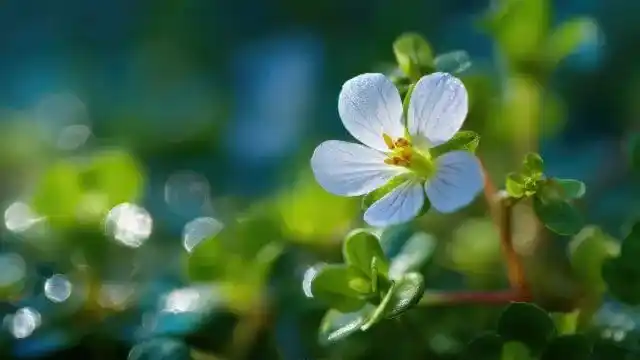
Brahmi Benefits and Traditional Uses

Brahmi has traditionally been used to support:

  • Memory and concentration support
  • Traditional nervous system tonics
  • General mental clarity practices
  • Calming herbal preparations
  • Traditional support during times of stress
  • Ayurvedic rejuvenating formulas

Historically, brahmi has been highly valued in Ayurvedic traditions as a herb associated with learning, focus, and a balanced mind.

“Brahmi has long been honored in traditional practice as a herb for clarity, study, and a settled mind.”

— Traditional Ayurvedic herbal reference

Brahmi Preparation Methods

Brahmi can be prepared in several traditional ways:


Tea or Decoction

The fresh or dried aerial parts may be simmered gently or steeped to prepare a traditional herbal tea.

Part of the plant used: Aerial parts

Powder

Dried brahmi may be ground into a powder for use in traditional herbal formulas.

Part of the plant used: Aerial parts

Tincture

The aerial parts may be extracted in alcohol to create a liquid herbal preparation.

Part of the plant used: Aerial parts

Fresh Juice

Fresh brahmi has traditionally been crushed or blended with a small amount of water in some herbal systems.

Part of the plant used: Fresh aerial parts


Growing Brahmi

Brahmi is a moisture-loving perennial herb that naturally grows in marshy ground, shallow water, and along pond margins.

  • Prefers full sun to partial shade
  • Grows best in rich, consistently moist soil or shallow water
  • Suitable for USDA growing zones 8–11 and warm protected gardens
  • Can be grown as a container herb if kept evenly moist
  • Best suited to warm, humid parts of the southern United States

Brahmi is not drought tolerant and should not be allowed to dry out for long periods. In cooler parts of the United States it is often grown in containers and overwintered indoors.


Safety Considerations

Brahmi has a long history of traditional use, however concentrated preparations should still be used with care.

However:

  • Some individuals may experience digestive upset such as nausea, cramping, or loose stools.
  • Because brahmi may have calming properties, individuals using sedative medications should use caution.
  • It may not be suitable for everyone with thyroid concerns without professional guidance.
  • Pregnant or breastfeeding individuals should consult a qualified healthcare professional before using brahmi internally.
  • Always use care with concentrated extracts and follow product directions where relevant.
  • Always consult a qualified healthcare professional before using herbs alongside prescription medication.

This information is provided for educational purposes only and is not medical advice.

Image Disclaimer: Images are for reference only and should not be used as the sole method of identification. Always confirm identification with a qualified source.
Frequently Asked Questions
What is brahmi traditionally used for?

Brahmi is traditionally used in Ayurvedic herbal practice for memory, concentration, and general nervous system support. It is also commonly included in herbal preparations associated with calm focus and mental clarity.

What part of brahmi is used in herbal preparations?

The aerial parts of brahmi, including the stems and leaves, are the parts most commonly used. These may be used fresh or dried depending on the preparation method.

Can brahmi grow in the United States?

Brahmi can grow in warm parts of the United States, especially in USDA zones 8–11. Because it prefers damp conditions, it is often grown in containers, bog gardens, or near water features.

How is brahmi prepared?

Brahmi may be prepared as a tea, powder, tincture, or fresh herbal juice. The aerial parts are the main portion used in traditional herbal preparations.

Does brahmi need wet soil?

Yes, brahmi prefers very moist soil and can even grow in shallow water. It is not a good choice for dry herb beds unless it is watered consistently.

Is brahmi the same as gotu kola?

No, brahmi and gotu kola are different plants, although the two are sometimes discussed together in traditional herbal contexts. Brahmi usually refers to Bacopa monnieri on herb pages like this one.

Brahmi Benefits, Features and Medicinal Uses

Help Us Improve the Brahmi Page

Do you grow, photograph, study, or work with this plant?

If you have an accurate photo, growing experience, traditional use note, identification detail, correction, or useful source to share, we would love to hear from you.

Your contribution may help improve the accuracy, usefulness, and educational value of this page for other readers.


Share a photo, correction, or plant note →

Botanical Overview

  • Botanical name: Bacopa monnieri
  • Family: Plantaginaceae
  • Plant type: Creeping herb
  • Native region: Wetlands of South Asia, Australia, and other tropical regions
  • Common names: Bacopa, water hyssop, herb of grace