
Plants A–Z: Medicinal & Botanical Guide
We are building a comprehensive database of plant profiles on Flowers and Herbs. This will be followed by detailed essential oil information and, finally, remedies to help you learn how to use plants and essential oils for overall well-being.
-
Pinella
Pinella is a traditional East Asian herb prepared from the processed tuber of Pinellia ternata. It has been used in classical formulas, but only after proper processing. Native to East Asia, raw pinella is considered irritating and requires particular caution.
-
Plantain
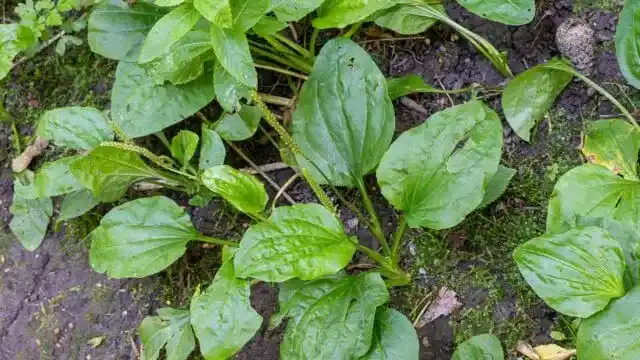
Plantain is a familiar broad-leaved herb often found in lawns, paths, and meadows. It has long been used in traditional herbal practice for soothing skin, bites, and minor irritation. Native to Europe and Asia, plantain is now naturalized widely across the United States.
-
Raspberry
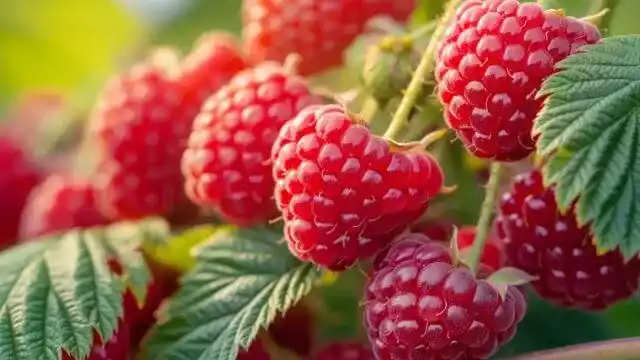
Raspberry is a familiar fruiting shrub whose leaves and berries have long been used in food and traditional herbal practice. The leaf is the part most often used in herbal tea. Raspberry is valued for its cane growth, sweet fruit, and long history in garden and household use.
-
Red Clover
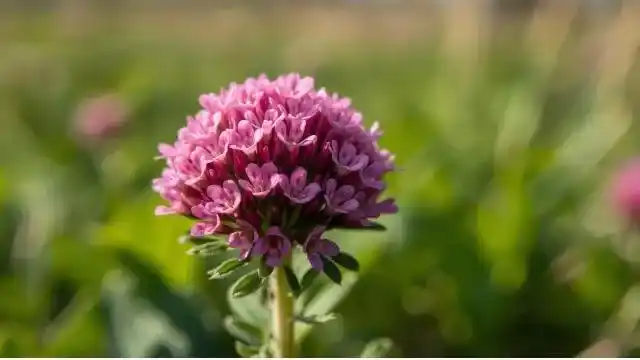
Red clover is a familiar flowering herb traditionally valued for its pink-purple blossoms and long use in teas and botanical blends. It has a strong presence in traditional European and North American herbal practice and remains well known in household herbal preparations.
-
Red Sage
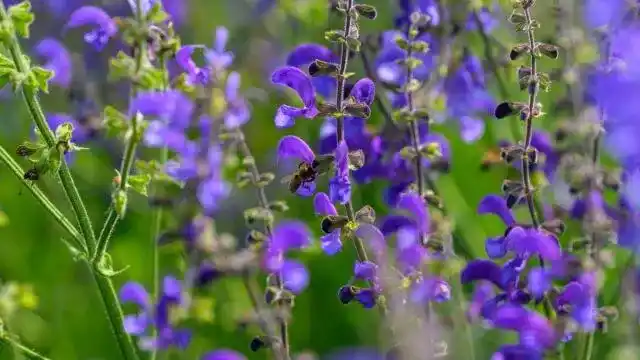
Red sage is a traditional Chinese root herb valued for circulatory and tonic use. The reddish root has long been prepared in decoctions and tinctures in East Asian herbal practice. Native to China and nearby regions, it belongs to the mint family and produces purple-blue flowers.
-
Rehmannia
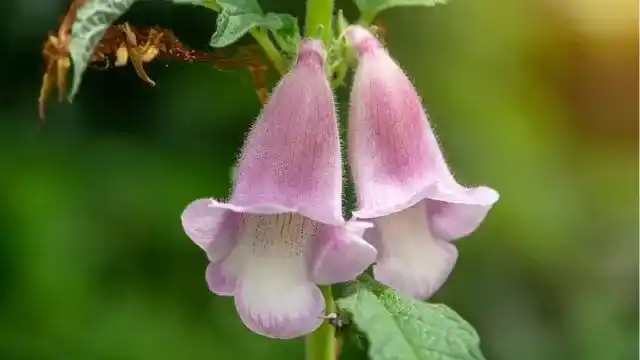
Rehmannia is a traditional Chinese root herb long used in tonic formulas. The fleshy root may be used fresh, dried, or prepared by steaming, depending on the herbal tradition. Native to China, rehmannia is known for its tubular flowers and importance in classical East Asian practice.
-
Rhodiola
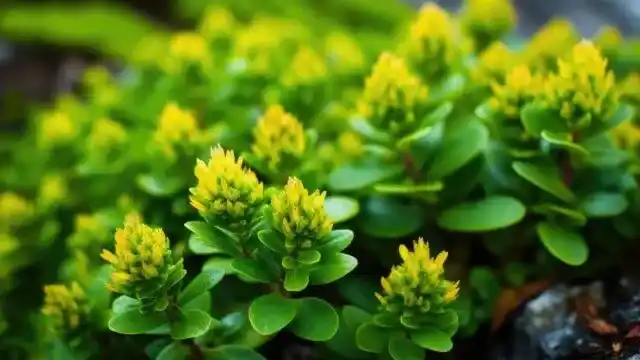
Rhodiola is a cold-climate tonic herb traditionally valued for stamina and resilience. The root has long been used in northern and mountain herbal traditions. Known as golden root or rose root, rhodiola is adapted to harsh climates and prepared as tincture, decoction, or extract.
-
Rose
Rose is a fragrant flowering plant traditionally used in herbal teas, syrups, and skin care. The petals and hips are the parts most commonly used in herbal and culinary preparations. Native to temperate regions of the Northern Hemisphere, rose is prized for both beauty and traditional household use.

-
Rose Geranium
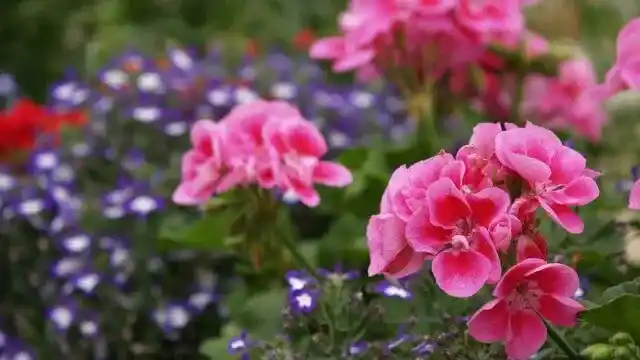
Rose geranium is an aromatic plant valued for its rosy scent and traditional skin care use. The leaves are commonly infused, added to baths, or used in fragrant household preparations. Native to southern Africa, it is widely grown as a tender garden herb and container plant.
-
Rosehip
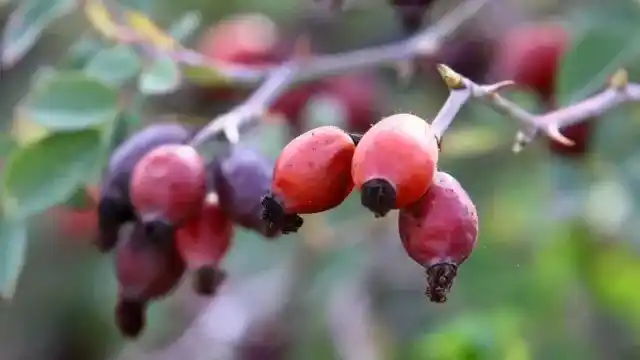
Rosehip is the bright red or orange fruit that forms after rose flowers fade. It is traditionally used in teas, syrups, and preserves, especially in seasonal and nourishing herbal preparations. Native species occur across Europe and Asia, and many roses are now grown throughout the United States.
Plants A–Z: Medicinal & Culinary Plants Guide
We are currently developing detailed plant profiles covering traditional uses, preparation methods, safety considerations, and current research. New herb guides are added regularly as we build this comprehensive A–Z botanical resource.
Explore our growing collection of medicinal and culinary herbs used in traditional and modern herbal practices. Each herb profile provides clear, research-informed information about traditional uses, preparation methods, safety considerations, and botanical background.
Whether you’re interested in herbal teas, plant-based remedies, or learning more about the history and science behind medicinal plants, this A–Z guide is designed to help you better understand the role of herbs in natural wellness.
What You’ll Find in Each Plant Profile
Each plant page will include:
- Botanical name and plant family
- Traditional and historical uses
- Skin and topical applications
- Tea, infusion, and decoction preparation
- Culinary uses (when applicable)
- Growing information
- Safety considerations and contraindications
- Overview of current research
- Guidance on sourcing quality herbs
New herb profiles are added regularly as our botanical reference library continues to expand.
Plants Currently in Development
Our detailed plant guides are currently being developed. Upcoming herb profiles include:
- Red Sage
- Butchers Broom
- Goldenrod
- Iris
- Irish Moss
- Lupin
- Navelwort
- Parsley
- Passionflower
- Raspberry
Please check back soon as we continue building this comprehensive herbal resource.
Looking for a specific plant?
Browse the full Flowers, Herbs & Plants A–Z directory →Plants A–Z: Medicinal & Culinary Plants Guide
We are currently developing detailed plant profiles covering traditional uses, preparation methods, safety considerations, and current research. New herb guides are added regularly as we build this comprehensive A–Z botanical resource.
Explore our growing collection of medicinal and culinary herbs used in traditional and modern herbal practices. Each herb profile provides clear, research-informed information about traditional uses, preparation methods, safety considerations, and botanical background.
Whether you’re interested in herbal teas, plant-based remedies, or learning more about the history and science behind medicinal plants, this A–Z guide is designed to help you better understand the role of herbs in natural wellness.
What You’ll Find in Each Plant Profile
Each plant page will include:
- Botanical name and plant family
- Traditional and historical uses
- Skin and topical applications
- Tea, infusion, and decoction preparation
- Culinary uses (when applicable)
- Growing information
- Safety considerations and contraindications
- Overview of current research
- Guidance on sourcing quality herbs
New herb profiles are added regularly as our botanical reference library continues to expand.
Looking for a specific plant?
Browse the full Flowers, Herbs & Plants A–Z directory →-
Pinella
Pinella is a traditional East Asian herb prepared from the processed tuber of Pinellia ternata. It has been used in classical formulas, but only after proper processing. Native to East Asia, raw pinella is considered irritating and requires particular caution.
-
Plantain
Plantain is a familiar broad-leaved herb often found in lawns, paths, and meadows. It has long been used in traditional herbal practice for soothing skin, bites, and minor irritation. Native to Europe and Asia, plantain is now naturalized widely across the United States.
-
Raspberry
Raspberry is a familiar fruiting shrub whose leaves and berries have long been used in food and traditional herbal practice. The leaf is the part most often used in herbal tea. Raspberry is valued for its cane growth, sweet fruit, and long history in garden and household use.
-
Red Clover
Red clover is a familiar flowering herb traditionally valued for its pink-purple blossoms and long use in teas and botanical blends. It has a strong presence in traditional European and North American herbal practice and remains well known in household herbal preparations.
-
Red Sage
Red sage is a traditional Chinese root herb valued for circulatory and tonic use. The reddish root has long been prepared in decoctions and tinctures in East Asian herbal practice. Native to China and nearby regions, it belongs to the mint family and produces purple-blue flowers.
-
Rehmannia
Rehmannia is a traditional Chinese root herb long used in tonic formulas. The fleshy root may be used fresh, dried, or prepared by steaming, depending on the herbal tradition. Native to China, rehmannia is known for its tubular flowers and importance in classical East Asian practice.
-
Rhodiola
Rhodiola is a cold-climate tonic herb traditionally valued for stamina and resilience. The root has long been used in northern and mountain herbal traditions. Known as golden root or rose root, rhodiola is adapted to harsh climates and prepared as tincture, decoction, or extract.
-
Rose
Rose is a fragrant flowering plant traditionally used in herbal teas, syrups, and skin care. The petals and hips are the parts most commonly used in herbal and culinary preparations. Native to temperate regions of the Northern Hemisphere, rose is prized for both beauty and traditional household use.
-
Rose Geranium
Rose geranium is an aromatic plant valued for its rosy scent and traditional skin care use. The leaves are commonly infused, added to baths, or used in fragrant household preparations. Native to southern Africa, it is widely grown as a tender garden herb and container plant.
-
Rosehip
Rosehip is the bright red or orange fruit that forms after rose flowers fade. It is traditionally used in teas, syrups, and preserves, especially in seasonal and nourishing herbal preparations. Native species occur across Europe and Asia, and many roses are now grown throughout the United States.
Please check back soon as we continue building this comprehensive herbal resource.
About Medicinal Herbs
Medicinal herbs have been used for centuries across cultures to support skin health, digestion, sleep, immune function, and overall well-being. Understanding how herbs are traditionally prepared and used — along with proper safety considerations — is essential for informed herbal practice.
This guide is intended for educational purposes and aims to provide balanced, easy-to-understand information about plant-based wellness.
About Us
Organic Goodness offers the Flowers & Herbs website as an educational resource covering medicinal herbs, essential oils, botanical traditions and natural living.
Browse
Links
The information on this website is for educational purposes only and is not intended as medical advice. Always consult a qualified healthcare professional before using herbs, supplements, or natural products.