
Plant Type: Tree
Trees provide a wide range of botanical materials used in traditional herbal and culinary practices, including bark, leaves, fruits, and resins. Many tree species have been used historically for their long-lasting and deeply rooted properties, often associated with strength and longevity. This collection explores trees traditionally used for wellness, nutrition, and natural preparations.
-
Slippery Elm
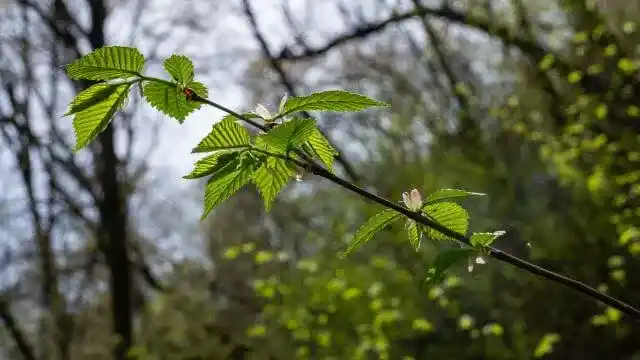
Slippery elm is a North American tree valued in herbal practice for its soothing inner bark. The powdered bark is traditionally used…
-
Soursop
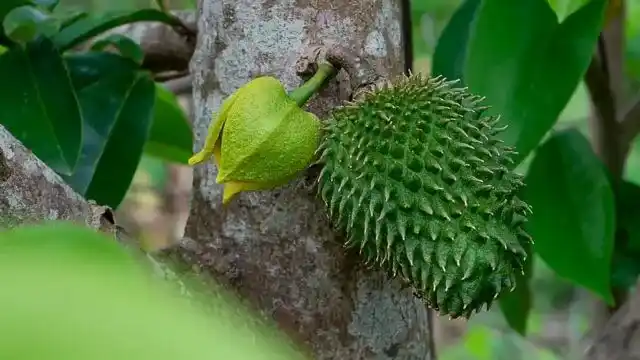
Soursop is a tropical fruit tree traditionally used for refreshing drinks and household herbal preparations. The fruit is widely eaten, while the…
-
Tea tree
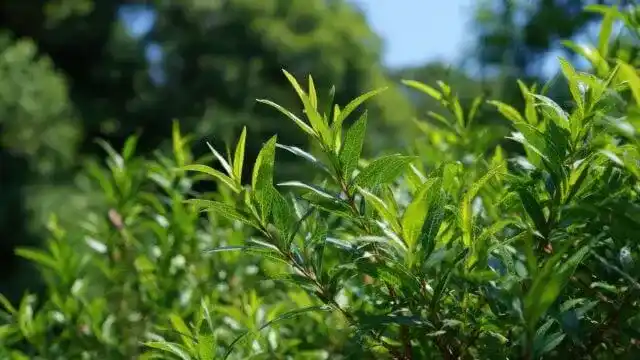
Tea tree is an aromatic Australian shrub best known for its strongly scented leaves and essential oil. Traditionally, it has been used…
-
Thuja
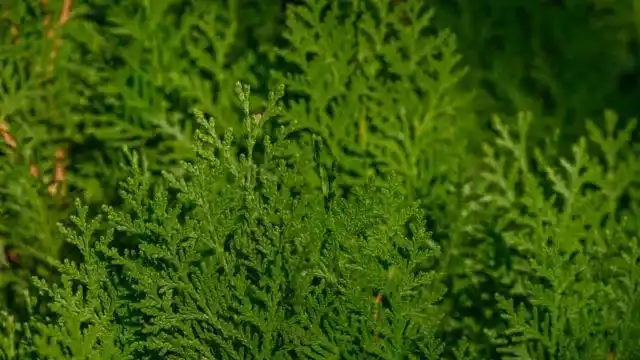
Thuja is an aromatic evergreen conifer traditionally used in carefully measured herbal practice. The leafy branchlets have a strong resinous scent and…
-
Wild Cherry
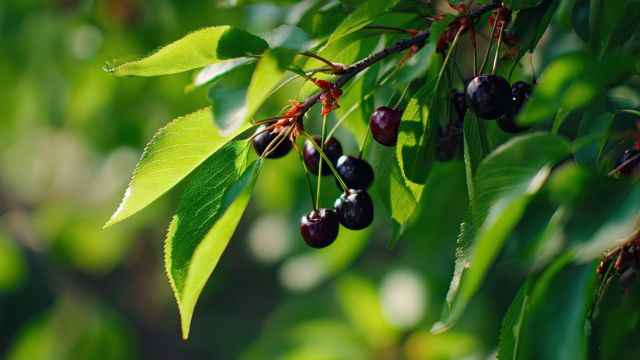
Wild cherry is a North American tree traditionally valued for its bark in older herbal preparations. The bark is the part most…
-
Willow

Willow is a traditional bark herb long associated with comfort formulas in Western herbal practice. The bark is prepared in decoctions, tinctures,…
-
Yerba Mate
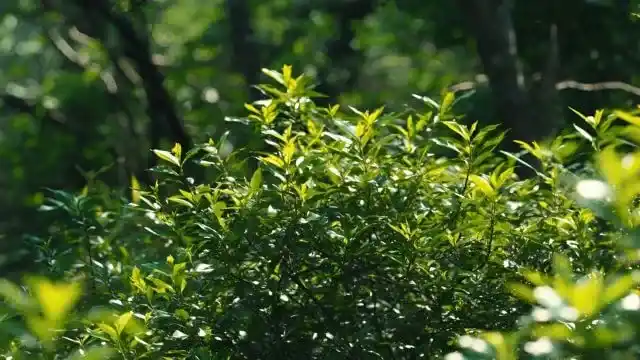
Yerba mate is a traditional South American herbal beverage made from the leaves of Ilex paraguariensis. It is valued for its naturally…
Looking for a specific plant?
Browse the full Flowers, Herbs & Plants A–Z directory →Plant Type: Tree
Trees provide a wide range of botanical materials used in traditional herbal and culinary practices, including bark, leaves, fruits, and resins. Many tree species have been used historically for their long-lasting and deeply rooted properties, often associated with strength and longevity. This collection explores trees traditionally used for wellness, nutrition, and natural preparations.
-
Slippery elm is a North American tree valued in herbal practice for its soothing inner bark. The powdered bark is traditionally used in gruels, teas, lozenges, and external poultices. Native to eastern North America, it has a long history in Indigenous and Western herbal traditions.
-
Soursop is a tropical fruit tree traditionally used for refreshing drinks and household herbal preparations. The fruit is widely eaten, while the leaves are also used in some traditional infusions. Native to the tropical Americas, soursop is known for its large spiny fruit and soft white flesh.
-
Tea tree is an aromatic Australian shrub best known for its strongly scented leaves and essential oil. Traditionally, it has been used in topical washes and cleansing preparations. The plant is notable for its fresh medicinal aroma and importance in modern natural skin-care products.
-
Thuja is an aromatic evergreen conifer traditionally used in carefully measured herbal practice. The leafy branchlets have a strong resinous scent and were used in topical and concentrated preparations. It is notable for its importance in older Western herbalism and its need for cautious use.
-
Wild cherry is a North American tree traditionally valued for its bark in older herbal preparations. The bark is the part most often used. It is notable for its fragrant blossoms, dark fruit, and important safety considerations linked to cyanogenic compounds in the plant.
-
Willow is a traditional bark herb long associated with comfort formulas in Western herbal practice. The bark is prepared in decoctions, tinctures, and powders and has a strong place in older herb texts. Willow trees favor moist ground and are widely recognized by their slender leaves and flexible branches.
-
Yerba mate is a traditional South American herbal beverage made from the leaves of Ilex paraguariensis. It is valued for its naturally caffeinated character and strong cultural history. Prepared hot or cold, yerba mate is one of the world’s most recognized stimulating herbal drinks.
Looking for a specific plant?
Browse the full Flowers, Herbs & Plants A–Z directory →About Us
Organic Goodness offers the Flowers & Herbs website as an educational resource covering medicinal herbs, essential oils, botanical traditions and natural living.
Browse
Links
The information on this website is for educational purposes only and is not intended as medical advice. Always consult a qualified healthcare professional before using herbs, supplements, or natural products.