
Thuja Identification & Safety (Thuja occidentalis)

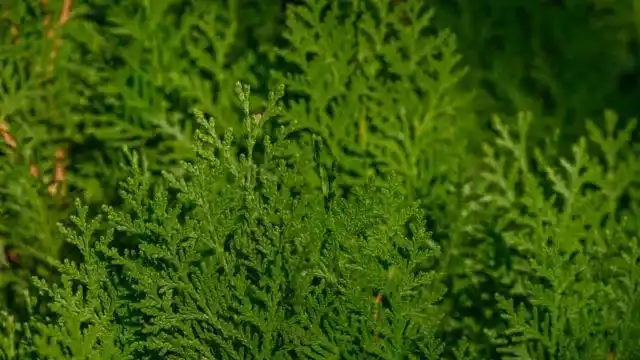
Thuja (Thuja occidentalis) is an evergreen conifer in the cypress family (Cupressaceae) native to eastern North America. It forms flattened sprays of scale-like aromatic foliage and small cones, and the leafy branchlets are the plant parts most often referenced in traditional herbal preparations.

In older Western herbal practice, thuja was used very cautiously in concentrated tinctures and external applications. Because the plant contains potent volatile compounds, it is not considered a casual household herb and modern use is typically approached with restraint.

Thuja contains thujone and other compounds that can be toxic in large amounts, particularly if taken internally.

Thuja Benefits and Traditional Uses

Thuja has traditionally been used to support:

  • Traditional external herbal applications
  • Historic concentrated tincture formulas
  • Resinous aromatic preparations
  • Older European and North American herbal practice
  • Topical blends used with caution

Thuja has a long history in both ornamental planting and traditional herbal reference works. Its aromatic foliage made it notable, but it has always been considered a herb requiring careful handling rather than everyday use.

“Thuja has long been noted in herbal literature as a powerful aromatic plant best used with caution and respect.”

— Traditional Western herbal reference

Thuja Preparation Methods

Thuja can be prepared in several traditional ways:


Tincture

Fresh or dried thuja branchlets were historically extracted in alcohol for highly concentrated traditional preparations.

Part of the plant used: Leafy branchlets

External Wash

A mild external preparation may be made from the aromatic branchlets for traditional topical use.

Part of the plant used: Leafy branchlets

Infused Oil

Thuja material may be infused into oil for limited external applications in older herbal practice.

Part of the plant used: Leafy branchlets

Salve

Prepared thuja oil may be combined with waxes or butters for external herbal salves.

Part of the plant used: Leafy branchlets


Growing Thuja

Thuja is a hardy evergreen tree widely grown as an ornamental in North America. It prefers reliable moisture while young and develops into a dense conifer suited to hedging, screening, and woodland-style plantings.

  • Prefers full sun to partial shade
  • Grows best in moist, well-drained soil
  • Benefits from regular watering during establishment
  • Hardy in USDA growing zones 2–7 in much of the United States
  • Commonly planted in northern and temperate regions as a hedge or specimen tree

Thuja is easy to grow in suitable climates, though deer browsing and winter burn can be issues in some areas. Good airflow helps keep foliage healthier in dense plantings.


Safety Considerations

Thuja has a long history of traditional use, however it contains potent aromatic compounds and should be approached with significant caution.

However:

  • Thuja contains thujone and other volatile compounds that may be irritating or toxic in excessive amounts.
  • Internal use is not considered appropriate for casual or unsupervised use.
  • Pregnant or breastfeeding individuals should avoid concentrated thuja preparations unless advised by a qualified healthcare professional.
  • Undiluted topical preparations may irritate sensitive skin.
  • Only correctly identified thuja material should be used, as other conifers may be confused with it.
  • Essential oil and strong extracts should be handled with great care and kept away from children.

This information is provided for educational purposes only and is not medical advice.

Image Disclaimer: Images are for reference only and should not be used as the sole method of identification. Always confirm identification with a qualified source.
Frequently Asked Questions
What is thuja traditionally used for?

Thuja appears in older Western herbal texts in concentrated tinctures and external preparations. It is generally regarded as a herb that requires careful handling rather than routine everyday use.

What part of thuja is used?

The leafy branchlets are the part most often referenced in traditional herbal preparations. These are highly aromatic and contain potent volatile compounds.

Is thuja safe to take internally?

Thuja is not considered appropriate for casual internal use because it contains compounds that may be toxic or irritating in excessive amounts.

Can thuja grow in the United States?

Yes. Thuja occidentalis grows well in much of the United States, especially in USDA zones 2–7, and is widely planted as an ornamental hedge or tree.

Is thuja the same as arborvitae?

Yes. Arborvitae is one of the common names used for Thuja occidentalis and related species in landscaping.

Does thuja need full sun?

Thuja usually grows best in full sun to partial shade with moist, well-drained soil and regular water while young.

Thuja Medicinal Uses

Help Us Improve the Thuja Page

Do you grow, photograph, study, or work with this plant?

If you have an accurate photo, growing experience, traditional use note, identification detail, correction, or useful source to share, we would love to hear from you.

Your contribution may help improve the accuracy, usefulness, and educational value of this page for other readers.


Share a photo, correction, or plant note →

Botanical Overview

  • Botanical name: Thuja occidentalis
  • Family: Cupressaceae
  • Plant type: Evergreen tree
  • Native region: Eastern North America
  • Common names: Arborvitae, white cedar, northern white cedar