
Tea Tree Benefits & Uses (Melaleuca alternifolia)

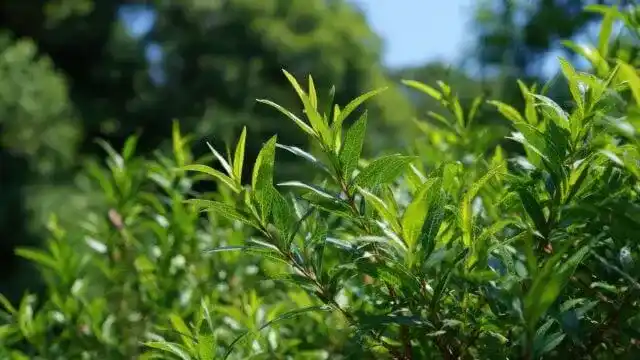
Tea tree (Melaleuca alternifolia) is an evergreen shrub or small tree in the myrtle family (Myrtaceae) native to Australia. It has narrow aromatic leaves, papery bark, and small pale flowers, and the leaves are the part most commonly used in herbal and essential oil preparations.

Tea tree is especially well known for the steam-distilled oil made from its leaves, which is widely used in topical blends, washes, and household products. In herbal use it is valued for its strong cleansing aroma, though the essential oil is intended for external use only.

Tea Tree Benefits and Traditional Uses

Tea tree has traditionally been used to support:

  • Topical cleansing preparations
  • Skin washes and diluted external applications
  • Scalp and hair care blends
  • Aromatic steam and household cleansing products
  • Natural deodorizing and freshening formulas

Tea tree became widely known through Australian traditional plant use and later through modern natural skin-care and household products. Its leaves and distilled oil remain strongly associated with external cleansing applications.

“Tea tree is prized for its clean, penetrating aroma and its long-standing place in external herbal and household preparations.”

— Modern herbal reference

Tea Tree Preparation Methods

Tea tree can be prepared in several traditional ways:


Infused Leaf Wash

Tea tree leaves may be steeped in hot water to prepare a strongly aromatic external wash.

Part of the plant used: Leaves

Steam Inhalation

The aromatic leaves or a properly diluted preparation may be used in steam bowls for their fresh scent.

Part of the plant used: Leaves

Infused Oil

Tea tree leaf material may be infused into a carrier oil for external use, although the essential oil is more commonly used.

Part of the plant used: Leaves

Diluted Topical Blend

Tea tree essential oil is typically diluted carefully into a carrier oil or cream for external application.

Part of the plant used: Leaves / essential oil


Growing Tea Tree

Tea tree is a warm-climate evergreen shrub that prefers bright conditions and good drainage. In its native habitat it often grows in seasonally moist ground, but in cultivation it benefits from airflow and protection from hard frost.

  • Prefers full sun for best growth
  • Grows in well-drained, slightly acidic to neutral soil
  • Requires regular moisture while establishing
  • Best suited to warm frost-free or lightly frosted areas in USDA zones 9–11
  • Most often grown outdoors in warm regions or in containers elsewhere in the United States

Tea tree is not hardy in cold winter climates and may need container culture or greenhouse protection outside warm southern regions. Pruning helps maintain a dense, shrubby form.


Safety Considerations

Tea tree has a long history of traditional topical use, however its essential oil should be used carefully and is intended for external use only.

However:

  • Tea tree essential oil should not be taken internally.
  • Undiluted essential oil may irritate sensitive skin and should be patch tested before broader topical use.
  • Some individuals may develop redness, dryness, or contact sensitivity.
  • Tea tree oil should be kept away from pets and children unless guided by an appropriately qualified professional.
  • Pregnant or breastfeeding individuals should seek professional guidance before using concentrated essential oil products.
  • Only properly diluted external preparations should be used on the skin.

This information is provided for educational purposes only and is not medical advice.

Image Disclaimer: Images are for reference only and should not be used as the sole method of identification. Always confirm identification with a qualified source.
Frequently Asked Questions
What is tea tree traditionally used for?

Tea tree is traditionally used in topical washes, skin-care blends, scalp preparations, and household cleansing products. It is valued mainly for external use rather than as an internal herb.

What part of the tea tree plant is used?

The leaves are the main part used. They may be prepared as an aromatic wash or steam-distilled to produce tea tree essential oil.

Is tea tree oil safe to swallow?

No. Tea tree oil is generally regarded as an external-use ingredient and should not be taken internally.

Can tea tree grow in the United States?

Tea tree can grow in warm parts of the United States, especially USDA zones 9–11. In cooler climates it is often grown in containers.

Is tea tree good for skin preparations?

Tea tree is commonly used in diluted topical skin and scalp products because of its fresh, cleansing character. Sensitive skin should always be patch tested first.

Does tea tree need full sun?

Tea tree usually grows best in full sun with good drainage and regular moisture while it is becoming established.

Tea Tree Medicinal Benefits and Uses

Help Us Improve the Tea Tree Page

Do you grow, photograph, study, or work with this plant?

If you have an accurate photo, growing experience, traditional use note, identification detail, correction, or useful source to share, we would love to hear from you.

Your contribution may help improve the accuracy, usefulness, and educational value of this page for other readers.


Share a photo, correction, or plant note →

Botanical Overview

  • Botanical name: Melaleuca alternifolia
  • Family: Myrtaceae
  • Plant type: Evergreen tree
  • Native region: Australia
  • Common names: Tea tree, narrow-leaved paperbark