

Yerba Mate Benefits & Uses (Ilex paraguariensis)

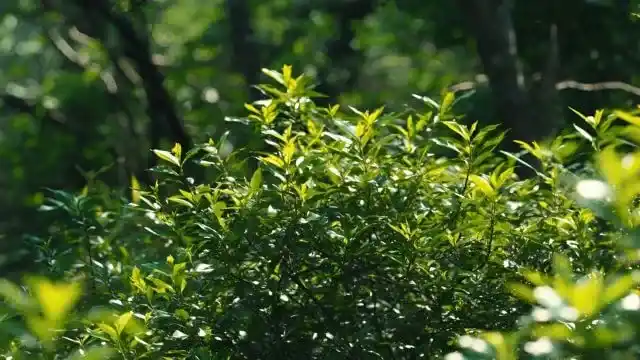
Yerba mate (Ilex paraguariensis) is an evergreen tree or shrub in the holly family (Aquifoliaceae) native to South America, especially Paraguay, Argentina, Brazil, and Uruguay. It has leathery green leaves and is cultivated extensively for its caffeinated leaf material. The dried leaves and young stems are the parts traditionally prepared as mate beverages.

Yerba mate is one of the world’s best-known traditional stimulating herbs and is central to South American social and cultural life. It is usually prepared as a hot infusion, though cold forms and modern drink blends are also common.

Unlike many herbs used only in small medicinal doses, yerba mate is deeply embedded in daily beverage tradition and is appreciated as both a cultural drink and a stimulating botanical.

Yerba Mate Benefits and Traditional Uses

Yerba mate has traditionally been used to support:

  • Traditional stimulating herbal beverages
  • Daily social tea and shared-drink customs
  • Herbal preparations associated with alertness
  • Digestive after-meal beverage traditions
  • General vitality and refreshment rituals

Historically, yerba mate was used by Indigenous peoples of South America and later became central to regional daily life across Paraguay, Argentina, Uruguay, and southern Brazil. It remains one of the defining traditional herbal drinks of the region.

“Yerba mate is more than a drink; it is a botanical tradition woven into the daily rhythm of South American life.”

— Traditional South American cultural reference

Yerba Mate Preparation Methods

Yerba Mate can be prepared in several traditional ways:


Hot Infusion

Yerba mate is traditionally infused with hot water and sipped as a stimulating beverage.

Part of the plant used: Leaves and young stems

Cold Infusion

In some regions the herb is prepared cold as a refreshing drink, especially in warm weather.

Part of the plant used: Leaves and young stems

Tea Blend

Yerba mate may also be blended with other herbs or citrus peel in modern tea-style preparations.

Part of the plant used: Leaves

Powder

Ground mate leaf is sometimes used in drink mixes or convenient modern beverage products.

Part of the plant used: Leaves


Growing Yerba Mate

Yerba mate is a subtropical evergreen tree or shrub that prefers warmth, humidity, and protection from severe frost. In the United States it is mainly suited to very warm climates or container growing in protected conditions.

  • Prefers full sun to light partial shade
  • Grows best in acidic, well-drained, moisture-retentive soil
  • Needs regular water and humidity while establishing
  • Best suited to USDA zones 9–11 in frost-free or nearly frost-free parts of the United States
  • Often grown in containers outside tropical and subtropical regions

Yerba mate is not a common outdoor crop across most of the United States because of its need for warmth and humidity. Gardeners in cooler climates usually need greenhouse or container protection.


Safety Considerations

Yerba mate has a long history of traditional beverage use, however its caffeine content means it may not suit everyone.

However:

  • Yerba mate contains caffeine and may contribute to restlessness, rapid heartbeat, or sleep disturbance in sensitive individuals.
  • It may interact with stimulant products or medications that affect blood pressure or heart rhythm.
  • Very strong or frequent use may not suit people who are sensitive to caffeine.
  • Individuals concerned with anxiety, sleep quality, or caffeine intake should use caution.
  • Pregnant or breastfeeding individuals should discuss caffeinated herbal drinks with a qualified healthcare professional.
  • Extremely hot beverages of any kind may irritate the throat or digestive tract, so moderate drinking temperature is sensible.
  • Always consult a qualified professional before using herbs for health purposes.

This information is provided for educational purposes only and is not medical advice.

Image Disclaimer: Images are for reference only and should not be used as the sole method of identification. Always confirm identification with a qualified source.
Frequently Asked Questions
What is yerba mate traditionally used for?

Yerba mate is traditionally used as a stimulating beverage associated with alertness, refreshment, and social tea-drinking customs in South America.

What part of yerba mate is used?

The leaves and young stems are dried and prepared as the traditional drink.

Does yerba mate contain caffeine?

Yes. Yerba mate naturally contains caffeine and is often chosen as an herbal alternative to coffee or standard tea.

Can yerba mate grow in the United States?

Yerba mate can grow outdoors in the warmest parts of the United States, generally USDA zones 9–11, and is often container grown elsewhere.

How is yerba mate prepared?

It is most commonly prepared as a hot infusion, though cold mate drinks are also traditional in some regions.

Are there safety concerns with yerba mate?

Yerba mate may not suit people sensitive to caffeine, and very strong or frequent use can contribute to restlessness or sleep disruption in some individuals.

Yerba Mate Benefits and Medicinal Uses

Help Us Improve the Yerba Mate Page

Do you grow, photograph, study, or work with this plant?

If you have an accurate photo, growing experience, traditional use note, identification detail, correction, or useful source to share, we would love to hear from you.

Your contribution may help improve the accuracy, usefulness, and educational value of this page for other readers.


Share a photo, correction, or plant note →

Botanical Overview

  • Botanical name: Ilex paraguariensis
  • Family: Aquifoliaceae
  • Plant type: Evergreen tree
  • Native region: South America
  • Common names: Mate, Paraguayan holly, chimarrao herb