
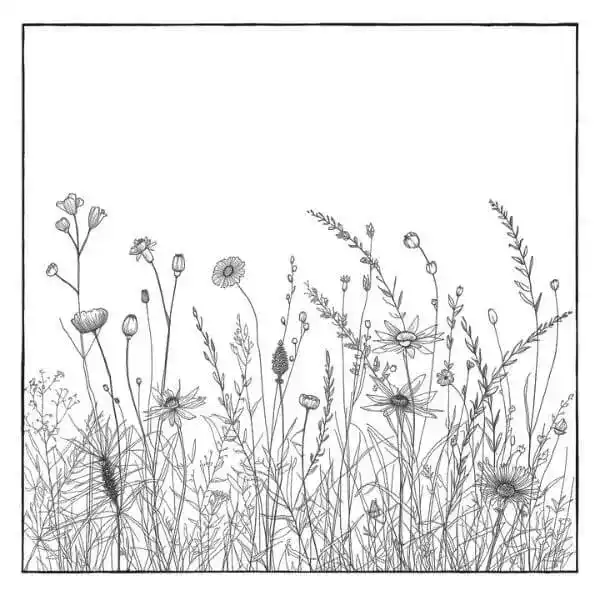
Plant Type: Herb
This collection of herbs includes a wide range of species traditionally associated with digestion, relaxation, immune support, and general wellness. Each herb profile provides clear, research-informed information on botanical characteristics, traditional uses, preparation methods, and safety considerations.
-
Sow Thistle
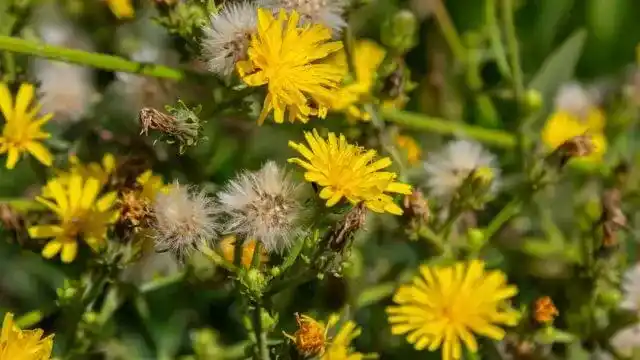
Sow thistle is a common wild edible herb traditionally used as a spring green and simple country herb. The young leaves are…
-
Spearmint
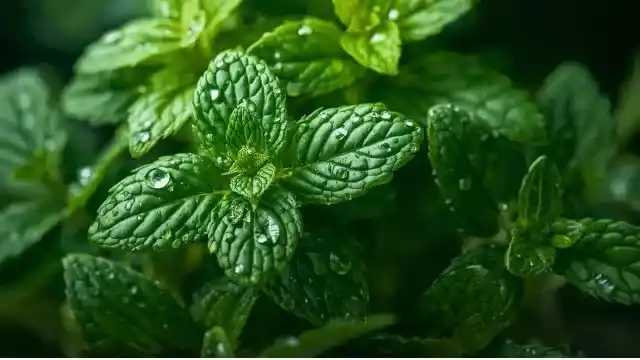
Spearmint is a sweet, cooling mint herb widely used in teas, cooking, and traditional household remedies. It has long been associated with…
-
St Johns Wort
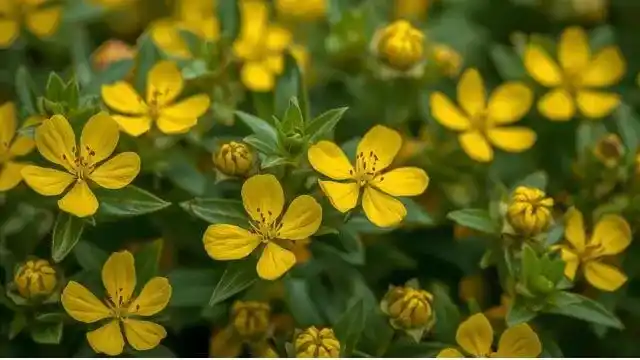
St Johns wort is a bright yellow flowering herb traditionally valued in European herbal practice for its flowering tops and long history…
-
Stinging Nettle
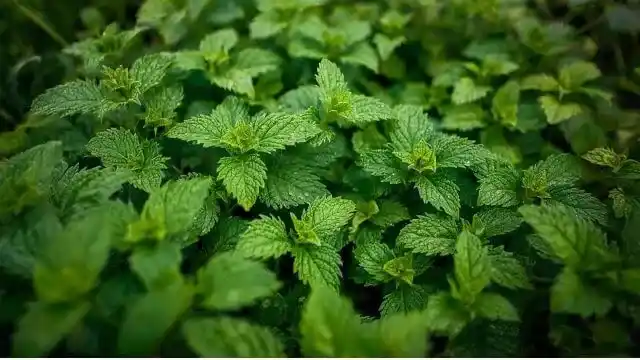
Stinging nettle is a vigorous herb traditionally valued for its mineral-rich leaves and long history in teas, soups, and botanical preparations. It…
-
Sweet Annie
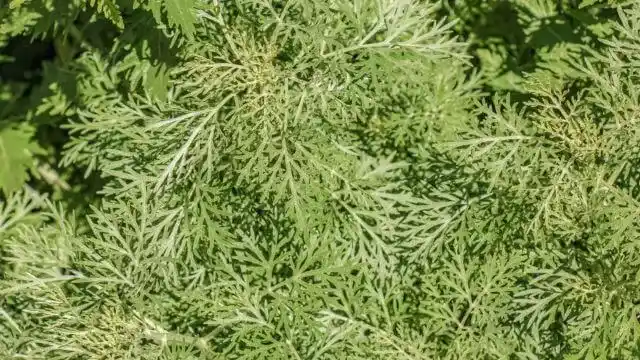
Sweet Annie is a fragrant annual herb traditionally used in teas and aromatic household preparations. The leaves and flowering tops are the…
-
Tansy
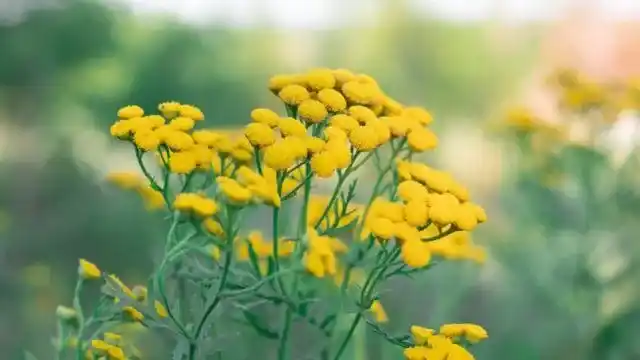
Tansy is a strongly aromatic flowering herb with a long history in older European herbal practice. Traditionally, the leaves and flowering tops…
-
Thyme
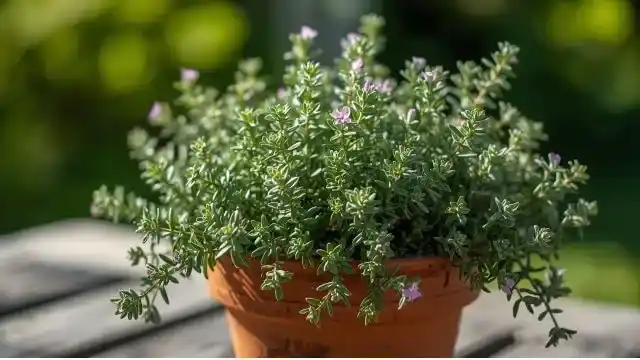
Thyme is a small woody aromatic herb long valued in cooking and traditional household herbalism. It is commonly used in teas, steams,…
-
Tribulus
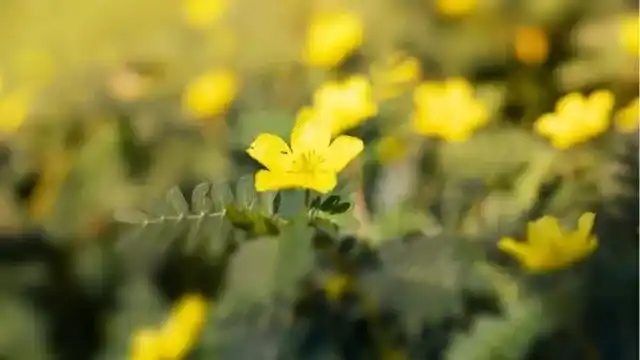
Tribulus is a trailing herb traditionally used in several herbal systems, especially for tonic-style formulas. The fruit and aerial parts are most…
-
Tulsi
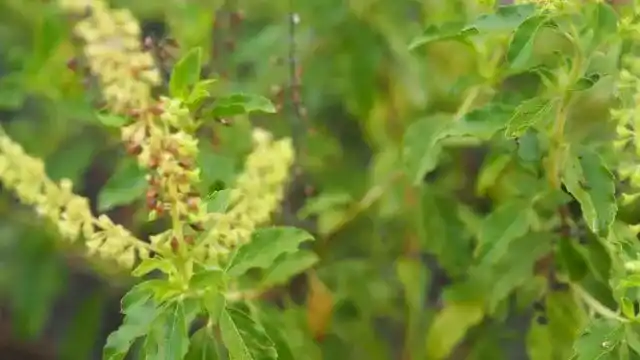
Tulsi is an aromatic basil relative long revered in Ayurvedic and devotional traditions. The leaves and flowering tops are commonly used in…
-
Vervain
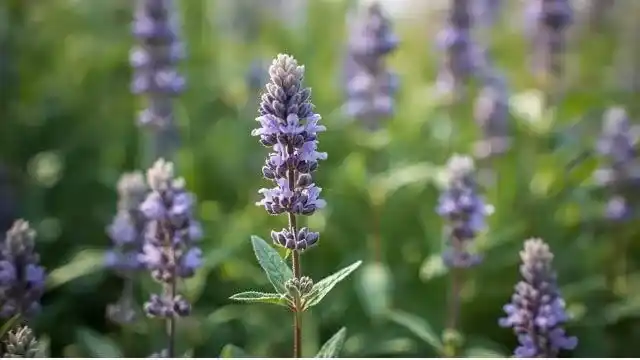
Vervain is a slender flowering herb with a long history in European folk herbalism. It is traditionally used in teas, tinctures, and…
-
White Deadnettle
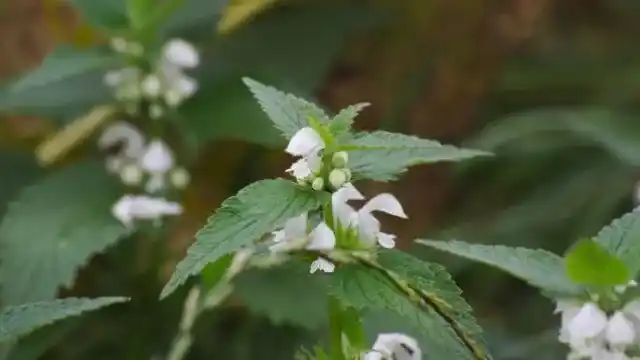
White deadnettle is a flowering mint-family herb traditionally used in gentle teas and herbal infusions. The aerial parts and flowers are most…
-
Wild Indigo
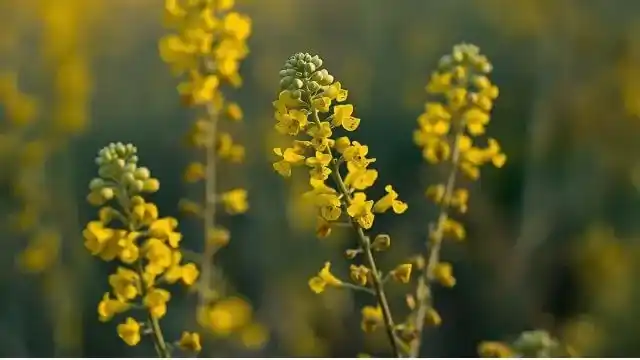
Wild indigo is a North American perennial traditionally used in older root-based herbal practice. The root is the part most often referenced.…
Looking for a specific plant?
Browse the full Flowers, Herbs & Plants A–Z directory →Plant Type: Herb
This collection of herbs includes a wide range of species traditionally associated with digestion, relaxation, immune support, and general wellness. Each herb profile provides clear, research-informed information on botanical characteristics, traditional uses, preparation methods, and safety considerations.
-
Sow thistle is a common wild edible herb traditionally used as a spring green and simple country herb. The young leaves are the part most often gathered for food-style preparations. Native to Europe and western Asia, it is now common in North America and often grows as a garden weed.
-
Spearmint is a sweet, cooling mint herb widely used in teas, cooking, and traditional household remedies. It has long been associated with digestion, fresh breath, and gentle aromatic support. Native to Europe and western Asia, it is now grown easily throughout the United States.
-
St Johns wort is a bright yellow flowering herb traditionally valued in European herbal practice for its flowering tops and long history in infused oils and teas. It remains one of the most recognizable midsummer herbs in traditional botanical literature.
-
Stinging nettle is a vigorous herb traditionally valued for its mineral-rich leaves and long history in teas, soups, and botanical preparations. It remains one of the most familiar wild herbs in European and North American herbal traditions.
-
Sweet Annie is a fragrant annual herb traditionally used in teas and aromatic household preparations. The leaves and flowering tops are the parts most often gathered. Native to Asia, it is known for its feathery foliage, strong scent, and tall airy growth in the garden.
-
Tansy is a strongly aromatic flowering herb with a long history in older European herbal practice. Traditionally, the leaves and flowering tops were used in bitter preparations and external applications. It is notable for its bright yellow button-like flowers and important safety concerns.
-
Thyme is a small woody aromatic herb long valued in cooking and traditional household herbalism. It is commonly used in teas, steams, oils, and savory dishes. Native to the Mediterranean region, thyme grows well in many dry sunny parts of the United States.
-
Tribulus is a trailing herb traditionally used in several herbal systems, especially for tonic-style formulas. The fruit and aerial parts are most often used. It is notable for its burr-like seeds, dry-climate toughness, and reputation as a difficult weed in many places.
-
Tulsi is an aromatic basil relative long revered in Ayurvedic and devotional traditions. The leaves and flowering tops are commonly used in teas and herbal blends. It is notable for its spicy clove-like scent and importance as a sacred household plant in India.
-
Vervain is a slender flowering herb with a long history in European folk herbalism. It is traditionally used in teas, tinctures, and blends for nervous tension and digestion. Native to Europe, Asia, and North Africa, vervain is now naturalized in parts of North America.
-
White deadnettle is a flowering mint-family herb traditionally used in gentle teas and herbal infusions. The aerial parts and flowers are most often used. It is notable for looking somewhat like nettle while lacking the sting and for its soft white hooded flowers.
-
Wild indigo is a North American perennial traditionally used in older root-based herbal practice. The root is the part most often referenced. It is notable for its small yellow flowers, historical dye associations, and the need for clear toxicity warnings.
Looking for a specific plant?
Browse the full Flowers, Herbs & Plants A–Z directory →About Us
Organic Goodness offers the Flowers & Herbs website as an educational resource covering medicinal herbs, essential oils, botanical traditions and natural living.
Browse
Links
The information on this website is for educational purposes only and is not intended as medical advice. Always consult a qualified healthcare professional before using herbs, supplements, or natural products.