

Sweet Annie Benefits & Uses (Artemisia annua)

Sweet Annie (Artemisia annua) is a tall aromatic annual herb in the Asteraceae family native to Asia. It has finely divided feathery leaves, a strong resinous scent, and airy sprays of tiny flowers, while the leaves and flowering tops are the parts most often gathered.

In traditional use, sweet Annie has been prepared as a tea and has also been used in dried bouquets, sachets, and household aromatic preparations. It is especially appreciated for its fragrance and its distinctive fern-like appearance.

Sweet Annie is sometimes confused with other artemisia species, so correct identification is important when gathering or using the herb.

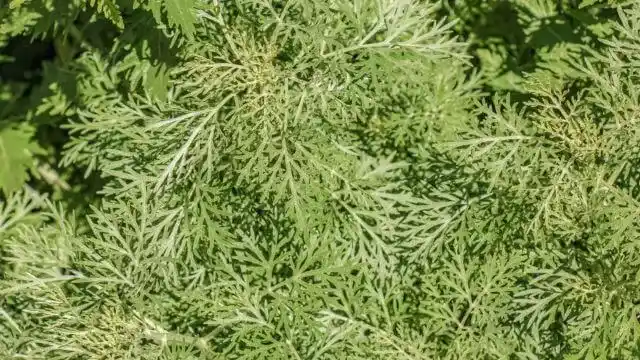
Sweet Annie Benefits and Traditional Uses

Sweet Annie has traditionally been used to support:

  • Traditional aromatic herbal teas
  • Dried sachets and household fragrance use
  • Seasonal wreaths and dried arrangements
  • Older bitter herb preparations
  • Leaf and flowering-top infusions

Historically, sweet Annie has been used both as a strongly scented household herb and as part of traditional herbal practices in Asia and beyond.

“Sweet Annie has long been recognized for its striking scent and feathery foliage as much as for its place in traditional herb use.”

“Sweet Annie has long been valued for its fragrance in the house and garden, as well as for traditional herb use.”

— Traditional garden herb reference

Sweet Annie Preparation Methods

Sweet Annie can be prepared in several traditional ways:


Tea

The dried leaves and flowering tops may be steeped in hot water for a traditional herbal tea.

Part of the plant used: Leaves and flowering tops

Tincture

Sweet Annie may be prepared as a tincture using the dried aerial parts.

Part of the plant used: Leaves and flowering tops

Sachet

The dried herb is often placed in sachets, wreaths, or aromatic household blends.

Part of the plant used: Leaves and flowering tops

Infusion

A mild infusion of the aerial parts may be prepared for traditional use.

Part of the plant used: Leaves and flowering tops


Growing Sweet Annie

Sweet Annie is a fast-growing annual that can reach considerable height in one season. It produces finely divided fragrant foliage and prefers open sunny sites.

  • Prefers full sun
  • Grows best in well-drained soil and tolerates average garden conditions
  • Requires moderate watering while young and is somewhat drought tolerant once established
  • Can be grown as a warm-season annual across much of the United States
  • Best suited to gardens with good airflow and a full growing season

Sweet Annie can self-seed in favorable conditions and may behave like a volunteer weed in some gardens. It is usually grown from seed and harvested before the plants become overly coarse.


Safety Considerations

Sweet Annie has a long history of traditional aromatic use, however concentrated internal use should still be approached with care.

However:

  • Individuals with allergies to plants in the Asteraceae family should use caution.
  • The strongly aromatic herb may cause digestive discomfort in some individuals when used in concentrated amounts.
  • Correct identification is important because several Artemisia species are strongly scented and may be confused.
  • Pregnant or breastfeeding individuals should consult a qualified healthcare professional before internal use.
  • Topical or household exposure to the dried herb may irritate highly sensitive individuals.
  • Those using prescription medications should seek professional advice before using concentrated extracts regularly.

This information is provided for educational purposes only and is not medical advice.

Image Disclaimer: Images are for reference only and should not be used as the sole method of identification. Always confirm identification with a qualified source.
Frequently Asked Questions
What is Sweet Annie used for?

Sweet Annie is traditionally used in aromatic teas, tinctures, dried sachets, wreaths, and other fragrant household preparations.

What part of Sweet Annie is used?

The leaves and flowering tops are the main parts gathered and dried for traditional use.

Is Sweet Annie the same as wormwood?

Sweet Annie is an Artemisia species, but it is not the same as every other plant commonly called wormwood. Correct botanical identification matters.

Can Sweet Annie be used in tea?

Yes. The dried aerial parts have traditionally been steeped as a strongly aromatic herbal tea.

Can Sweet Annie grow in the United States?

Yes. Sweet Annie can be grown as an annual across much of the United States in sunny garden conditions.

Are there safety concerns with Sweet Annie?

Yes. People sensitive to Asteraceae plants or strong aromatic herbs should use caution, especially with concentrated internal preparations.

Sweet Annie Health Benefits and Traditional Uses

Help Us Improve the Sweet Annie Page

Do you grow, photograph, study, or work with this plant?

If you have an accurate photo, growing experience, traditional use note, identification detail, correction, or useful source to share, we would love to hear from you.

Your contribution may help improve the accuracy, usefulness, and educational value of this page for other readers.


Share a photo, correction, or plant note →

Botanical Overview

  • Botanical name: Artemisia annua
  • Family: Asteraceae
  • Plant type: Annual herb
  • Native region: Asia
  • Common names: Sweet wormwood, annual mugwort