
Stinging Nettle Benefits & Uses (Urtica dioica)

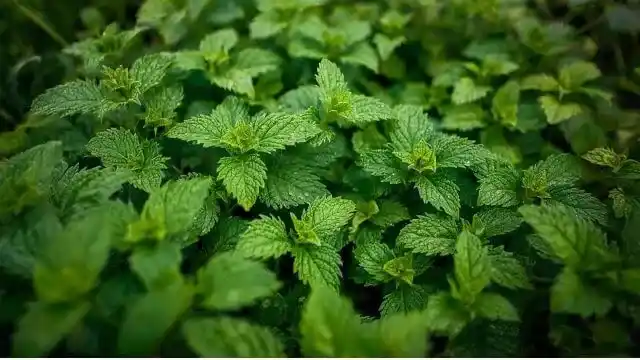
Stinging nettle is a perennial herb with sharply toothed leaves, upright stems, and tiny stinging hairs that give the plant its name. Native to Europe, Asia, and parts of North Africa and now widespread in North America, it has long been gathered as both a food plant and a traditional herb.

Young nettle leaves have traditionally been cooked, dried for tea, or added to household herbal preparations. Because the plant is both abundant and strongly associated with spring gathering, it remains one of the best-known wild herbs in traditional botanical practice.

Stinging Nettle Benefits and Traditional Uses

Stinging nettle has traditionally been used to support:

  • Nutritive herbal teas
  • Traditional spring preparations
  • Cooked leafy herbal foods
  • Household botanical infusions
  • Classic wild herb practice

Stinging nettle has long been valued in European and North American traditions where the young leaves were gathered in spring and used in soups, teas, and household herbal preparations. Its strong wild character and abundant growth made it one of the classic herbs of country herbal practice.

Stinging nettle has long been one of the most familiar wild herbs in springtime herbal and food traditions.

– Traditional herbal reference

Stinging Nettle Preparation Methods

Stinging nettle can be prepared in several traditional ways:


Herbal Tea

Dried nettle leaves are commonly steeped in hot water to prepare a traditional herbal infusion.

Part of the plant used: Leaves

Cooked Greens

Young nettle leaves may be cooked and used in traditional food preparations after proper handling.

Part of the plant used: Young leaves

Tincture

The leaves may be extracted in alcohol for use in concentrated herbal preparations.

Part of the plant used: Leaves

Nourishing Broth

Fresh young leaves are sometimes simmered in soups or broths in traditional spring preparations.

Part of the plant used: Young leaves


Growing Stinging Nettle

Stinging nettle is a vigorous perennial herb that spreads by underground runners and thrives in rich, moist soils. It is often found along fencelines, streamsides, and disturbed ground, and can be cultivated where there is room for it to naturalize.

  • Prefers full sun to partial shade
  • Grows best in rich, moist soil
  • Benefits from regular moisture
  • Suitable for USDA hardiness zones 3-10 in the United States
  • Commonly found and grown in temperate regions across the United States

Because nettle can spread strongly and has stinging hairs, it is best planted where it can be managed and harvested safely.


Safety Considerations

Stinging Nettle has a long history of traditional use, however care should always be taken when using herbal plants.

However:

  • Fresh stinging nettle can cause temporary skin irritation due to its stinging hairs when handled without protection.
  • Cooked, dried, or properly processed nettle is very different from the fresh stinging plant, but sensitive individuals should still use caution.
  • Nettle may have diuretic effects in some individuals and may not suit everyone in concentrated amounts.
  • It may also interact with medications that affect blood pressure, blood sugar, or fluid balance.
  • Pregnant or breastfeeding individuals should consult a qualified healthcare professional before using concentrated nettle preparations.
  • Always consult a qualified healthcare professional before combining nettle with prescription medications.

This information is provided for educational purposes only and is not medical advice.

Image Disclaimer: Images are for reference only and should not be used as the sole method of identification. Always confirm identification with a qualified source.
Frequently Asked Questions
What is stinging nettle traditionally used for?

Stinging nettle has long been used in traditional herbal preparations intended to support general wellness, digestion, and joint comfort. The leaves have historically been prepared as teas, soups, and herbal infusions in European and North American herbal traditions.

Why does stinging nettle sting?

Stinging nettle leaves and stems are covered with tiny hair-like structures called trichomes. When touched, these hairs can release compounds that cause a temporary stinging or tingling sensation on the skin.

What parts of the stinging nettle plant are used?

The leaves of stinging nettle are the part most commonly used in herbal preparations. The young leaves are often harvested and dried for herbal teas or cooked as a nutritious leafy green.

Can stinging nettle be eaten?

Yes. When cooked or dried, stinging nettle loses its sting and can be eaten safely. The leaves are sometimes used in soups, teas, and cooked vegetable dishes and have long been valued as a nutritious wild plant.

What herbs are commonly used with stinging nettle?

Stinging nettle is often combined with herbs such as dandelion, red clover, and burdock in traditional herbal blends intended to support general wellness.

Can stinging nettle be grown in the United States?

Stinging nettle grows naturally throughout many regions of the United States and is commonly found in moist soils along streams, woodland edges, and garden areas. It grows well in USDA hardiness zones 3–10 and can also be cultivated in herb gardens. In many areas the young plants are also foraged from the wild in spring and used in traditional herbal and culinary preparations.

Stinging Nettle (Urtica dioica) nutrient-rich medicinal herb traditionally used in herbal teas and tonic preparations

Help Us Improve the Stinging Nettle Page

Do you grow, photograph, study, or work with this plant?

If you have an accurate photo, growing experience, traditional use note, identification detail, correction, or useful source to share, we would love to hear from you.

Your contribution may help improve the accuracy, usefulness, and educational value of this page for other readers.


Share a photo, correction, or plant note →

Botanical Overview

  • Botanical name: Urtica dioica
  • Family: Urticaceae
  • Plant type: Perennial herb
  • Native region: Europe, Asia, and North Africa
  • Common names: Stinging nettle, common nettle, nettle