

St Johns Wort Benefits & Uses (Hypericum perforatum)

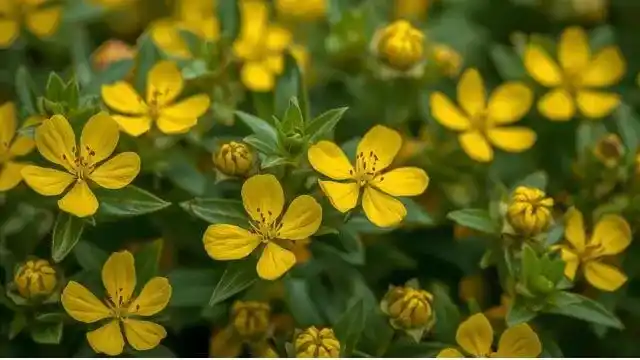
St Johns wort is a perennial flowering herb with starry yellow blossoms and upright branching stems. Native to Europe, western Asia, and North Africa and now widely naturalized in North America, it has long been associated with midsummer harvest traditions and classic herbal preparations.

The flowering tops were traditionally prepared in oils, tinctures, and teas, and the plant became especially well known in European folk herbalism. Its bright flowers and long cultural history continue to make it one of the most recognizable herbs in traditional botanical writing.

St Johns Wort Benefits and Traditional Uses

St Johns wort has traditionally been used to support:

  • Infused herbal oils
  • Seasonal midsummer preparations
  • Traditional flowering-top tinctures
  • Household botanical blends
  • Classic European herbal practice

St Johns wort has a long association with midsummer harvests and European folk traditions where the flowering tops were gathered for oils, tinctures, and household preparations. It remains one of the classic herbs of seasonal botanical practice and old herbal literature.

St Johns wort has long been linked with midsummer herbal traditions and classic flowering-top preparations.

– Traditional herbal reference

St Johns Wort Preparation Methods

St Johns wort can be prepared in several traditional ways:


Infused Oil

Fresh or freshly wilted flowering tops are commonly infused into oil for traditional external herbal preparations.

Part of the plant used: Flowering tops

Herbal Tea *

The dried flowering tops may be steeped in hot water to prepare a traditional herbal infusion.

  • refer to Safety Information
Part of the plant used: Flowering tops

Tincture

The flowering tops may be extracted in alcohol for use in concentrated herbal preparations.

Part of the plant used: Flowering tops

Salve or Balm

Infused oil may be combined with beeswax to create a traditional herbal balm for external applications.

Part of the plant used: Flowering tops

Herbal Infusion

The flowering tops may be steeped in hot water to create a traditional herbal infusion. This preparation has been referenced in European herbal traditions, although it is not considered a general-use herbal tea.

Part of the plant used: Flowering tops


Growing St Johns Wort

St Johns wort is a hardy perennial herb that grows upright and produces bright yellow flowers through the warm season. It can adapt to a range of garden conditions and is often grown in informal herb plantings and dry borders.

  • Prefers full sun to light partial shade
  • Grows best in well-drained soil
  • Tolerates dry conditions once established
  • Suitable for USDA hardiness zones 4-9 in the United States
  • Commonly grown in temperate regions and sunny open sites

Once established, St Johns wort may spread gradually and can naturalize in some areas if conditions are favorable.


Safety Considerations

St Johns wort has a long history of traditional use in herbal preparations, however it is one of the herbs most commonly associated with significant interactions with medications.

However:

  • St Johns wort is known to influence liver enzymes involved in drug metabolism, which may alter how many medications are processed in the body.
  • It may reduce the effectiveness of certain medications, including oral contraceptives, antidepressants, anticoagulants, transplant medications, and other prescription drugs.
  • Use alongside other mood-related supplements or medications may increase the likelihood of unwanted effects and should be approached with caution.
  • St Johns wort may increase sensitivity to sunlight in some individuals, potentially leading to skin irritation or photosensitivity reactions.
  • Individuals with existing health conditions or those taking regular medications should use particular caution when considering herbal preparations containing St Johns wort.
  • Pregnant or breastfeeding individuals should consult a qualified healthcare professional before using herbal preparations.
  • Always consult a qualified healthcare professional or pharmacist before using St Johns wort alongside any prescription medication.

This information is provided for educational purposes only and is not medical advice.

Image Disclaimer: Images are for reference only and should not be used as the sole method of identification. Always confirm identification with a qualified source.
Frequently Asked Questions
What is St John's wort traditionally used for?

St John's wort has traditional use in herbal medicine for nervous system support and is also widely used externally in infused oils for the skin and body.

Which part of St John's wort is used?

The flowering tops are the main part used. These are often harvested when the plant is in bloom.

How is St John's wort commonly prepared?

St John's wort is commonly prepared as tincture, tea, capsules, and infused oil. The infused oil is a well-known traditional topical preparation.

Can St John's wort be used on the skin?

Yes, St John's wort infused oil is traditionally used externally in balms and oils. It is one of the best-known topical herbal uses of the plant.

Does St John's wort interact with medications?

Yes, St John's wort is well known for potential medication interactions. Anyone taking medicines should seek professional advice before internal use.

Can St Johns Wort be grown in the United States?

St. John's wort grows in many parts of the United States, especially in sunny fields, roadsides, and open ground in northern and temperate regions. It can sometimes be foraged where it is legal, but careful identification is important because other Hypericum species may grow nearby.

St John's Wort (Hypericum perforatum) medicinal herb traditionally used in herbal remedies for mood support

Help Us Improve the St Johns Wort Page

Do you grow, photograph, study, or work with this plant?

If you have an accurate photo, growing experience, traditional use note, identification detail, correction, or useful source to share, we would love to hear from you.

Your contribution may help improve the accuracy, usefulness, and educational value of this page for other readers.


Share a photo, correction, or plant note →

Botanical Overview

  • Botanical name: Hypericum perforatum
  • Family: Hypericaceae
  • Plant type: Flowering herb
  • Native region: Europe, western Asia, and North Africa
  • Common names: St Johns wort, common St Johns wort, perforate St Johns wort