

Tulsi Uses & How to Use It (Ocimum tenuiflorum)

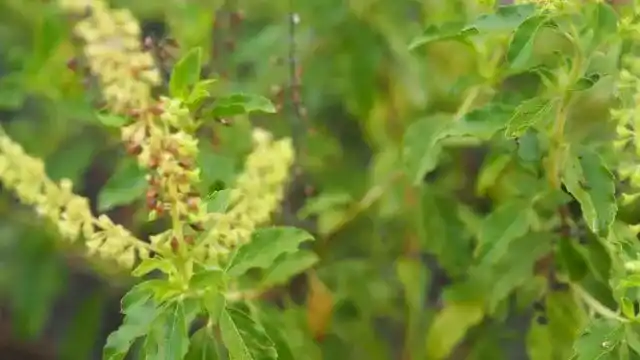
Tulsi (Ocimum tenuiflorum), also known as holy basil, is a tender perennial aromatic herb in the mint family (Lamiaceae) native to India and tropical Asia. It has branching stems, fragrant leaves, and spikes of small flowers. The leaves and flowering tops are the parts most often used in traditional herbal practice.

Tulsi is deeply woven into Ayurvedic tradition and is also regarded as a sacred household plant in Hindu culture. In herbal use it is commonly prepared as a tea, tincture, or dried leaf blend valued for its warming aromatic character.

Tulsi Benefits and Traditional Uses

Tulsi has traditionally been used to support:

  • Traditional Ayurvedic tea and tonic formulas
  • Daily household herbal use
  • Warming aromatic preparations
  • Herbal blends associated with resilience and balance
  • Sacred and devotional plant traditions

Tulsi holds a unique place because it is both a well-known herb and a culturally sacred plant. It is used in teas and formulas, but it is also honored in domestic courtyards, temples, and devotional traditions.

“Tulsi is treasured not only as an herb but as a sacred household plant whose fragrance and presence are woven into daily life.”

— Ayurvedic and devotional plant reference

Tulsi Preparation Methods

Tulsi can be prepared in several traditional ways:


Tea

Fresh or dried tulsi leaves are commonly steeped in hot water for an aromatic herbal tea.

Part of the plant used: Leaves or flowering tops

Tincture

Tulsi may be extracted in alcohol for concentrated herbal drops.

Part of the plant used: Leaves or flowering tops

Infused Honey

The dried herb may be combined with honey in traditional home-style herbal use.

Part of the plant used: Leaves or flowering tops

Herbal Steam

Fresh leaves may also be used in aromatic steam preparations for their warming scent.

Part of the plant used: Leaves


Growing Tulsi

Tulsi is a warm-season aromatic herb that thrives in sunshine, regular moisture, and well-drained soil. In much of the United States it is grown like a tender annual, although it may behave as a perennial in frost-free climates.

  • Prefers full sun for strongest growth and aroma
  • Grows best in rich, well-drained soil
  • Benefits from regular watering without waterlogging
  • Can be grown as an annual in cooler regions and as a perennial in USDA zones 10–11
  • Commonly grown in containers, herb beds, and warm kitchen gardens across the United States

Pinching flower spikes can encourage bushier growth if leafy harvest is the main goal. Tulsi is sensitive to frost and should be protected when temperatures drop.


Safety Considerations

Tulsi has a long history of traditional use, however concentrated preparations should still be used thoughtfully.

However:

  • Tulsi is generally used as a tea herb, but concentrated extracts may not be suitable for everyone.
  • Individuals taking blood sugar, anticoagulant, or other regular medications should seek professional guidance before using stronger products.
  • Some people may experience mild digestive upset with concentrated use.
  • Pregnant or breastfeeding individuals should consult a qualified healthcare professional before using tulsi supplements or extracts.
  • Only correctly identified tulsi should be used, as several basil species may be sold under similar names.
  • Essential oil products are much stronger than a simple leaf tea and should be used cautiously.

This information is provided for educational purposes only and is not medical advice.

Image Disclaimer: Images are for reference only and should not be used as the sole method of identification. Always confirm identification with a qualified source.
Frequently Asked Questions
What is tulsi traditionally used for?

Tulsi is traditionally used in Ayurvedic teas, tonics, and daily household herbal practice. It is valued for its warming aromatic leaves and broad role in devotional and wellness traditions.

Is tulsi the same as holy basil?

Yes. Tulsi is the common Indian name for holy basil, usually referring to Ocimum tenuiflorum.

What part of tulsi is used?

The leaves and flowering tops are the parts most commonly used. They are usually prepared as tea, tincture, or dried herb blends.

Can tulsi grow in the United States?

Yes. Tulsi grows well in summer gardens across the United States and can be perennial in very warm frost-free climates.

Does tulsi need full sun?

Tulsi generally grows best in full sun with warmth, good drainage, and regular moisture.

Can tulsi be used as a tea?

Yes. Tulsi is most commonly prepared as an aromatic herbal tea made from fresh or dried leaves.

Tulsi Holy Basil Health Benefits and Medicinal Uses

Help Us Improve the Tulsi Page

Do you grow, photograph, study, or work with this plant?

If you have an accurate photo, growing experience, traditional use note, identification detail, correction, or useful source to share, we would love to hear from you.

Your contribution may help improve the accuracy, usefulness, and educational value of this page for other readers.


Share a photo, correction, or plant note →

Botanical Overview

  • Botanical name: Ocimum tenuiflorum
  • Family: Lamiaceae
  • Plant type: Aromatic herb
  • Native region: India and tropical Asia
  • Common names: Holy basil, sacred basil