
Plant Type: Herb
This collection of herbs includes a wide range of species traditionally associated with digestion, relaxation, immune support, and general wellness. Each herb profile provides clear, research-informed information on botanical characteristics, traditional uses, preparation methods, and safety considerations.
-
Wild Lettuce
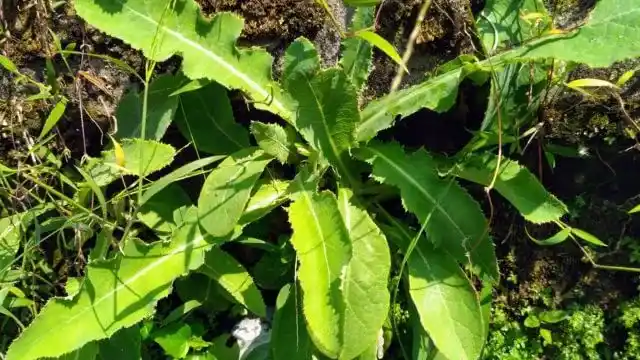
Wild lettuce is a bitter traditional herb known for its milky latex and older relaxation use. It appears in historic teas and…
-
Wintergreen
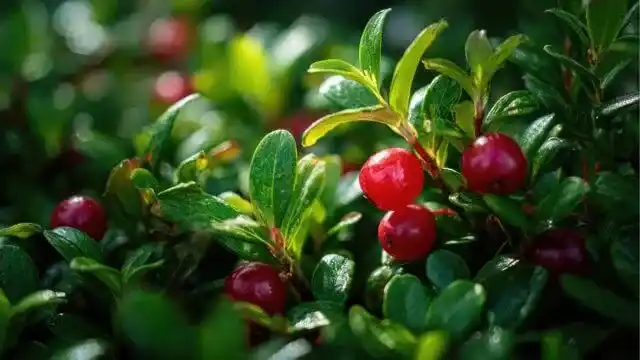
Wintergreen is a woodland evergreen herb traditionally valued for its aromatic leaves and external-use comfort preparations. It is associated with liniments, topical…
-
Woad
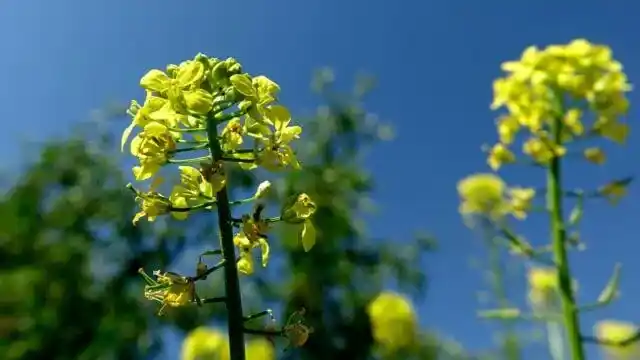
Woad is a historic dye herb best known for the blue color made from its leaves. It also appears in older herbal…
-
Wormwood
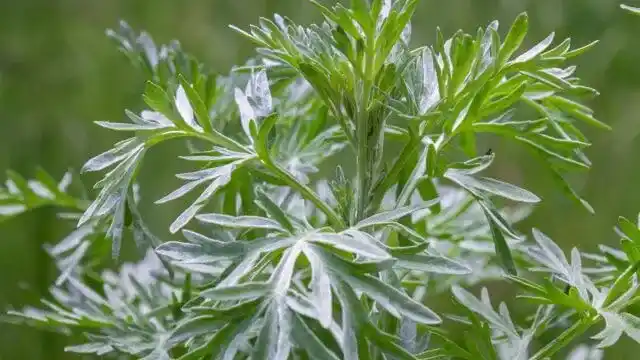
Wormwood is a silvery aromatic herb known for its intense bitterness and long history in digestive bitters. The leaves and flowering tops…
-
Yarrow
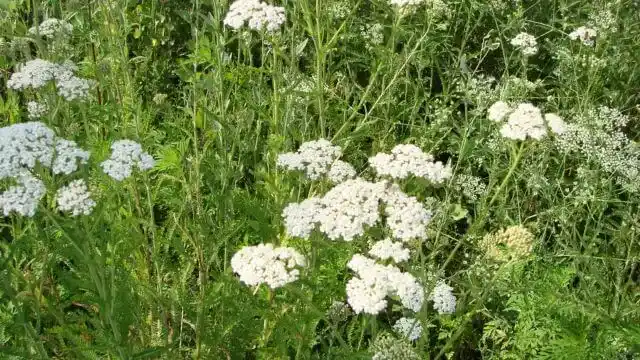
Yarrow is a classic meadow herb traditionally used in teas, tinctures, and topical preparations. Its feathery leaves and flat flower clusters make…
Looking for a specific plant?
Browse the full Flowers, Herbs & Plants A–Z directory →Plant Type: Herb
This collection of herbs includes a wide range of species traditionally associated with digestion, relaxation, immune support, and general wellness. Each herb profile provides clear, research-informed information on botanical characteristics, traditional uses, preparation methods, and safety considerations.
-
Wild lettuce is a bitter traditional herb known for its milky latex and older relaxation use. It appears in historic teas and tinctures and is often associated with evening herbal practice. Native to Europe and western Asia, it has a long place in older Western herb lore.
-
Wintergreen is a woodland evergreen herb traditionally valued for its aromatic leaves and external-use comfort preparations. It is associated with liniments, topical blends, and older herbal teas. Native to eastern North America, it is well known for its distinctive fresh wintergreen scent.
-
Woad is a historic dye herb best known for the blue color made from its leaves. It also appears in older herbal records, though it is more often remembered for craft and heritage use. Native to Europe and western Asia, woad is a striking biennial with mustard-family flowers.
-
Wormwood is a silvery aromatic herb known for its intense bitterness and long history in digestive bitters. The leaves and flowering tops are used in traditional preparations and historic aperitif formulas. Native to Europe and temperate Asia, it is one of the strongest classic bitter herbs in Western herb lore.
-
Yarrow is a classic meadow herb traditionally used in teas, tinctures, and topical preparations. Its feathery leaves and flat flower clusters make it easy to recognize, and it has a long history in Western folk medicine. Yarrow grows widely across North America and is common in herb gardens.
Looking for a specific plant?
Browse the full Flowers, Herbs & Plants A–Z directory →About Us
Organic Goodness offers the Flowers & Herbs website as an educational resource covering medicinal herbs, essential oils, botanical traditions and natural living.
Browse
Links
The information on this website is for educational purposes only and is not intended as medical advice. Always consult a qualified healthcare professional before using herbs, supplements, or natural products.