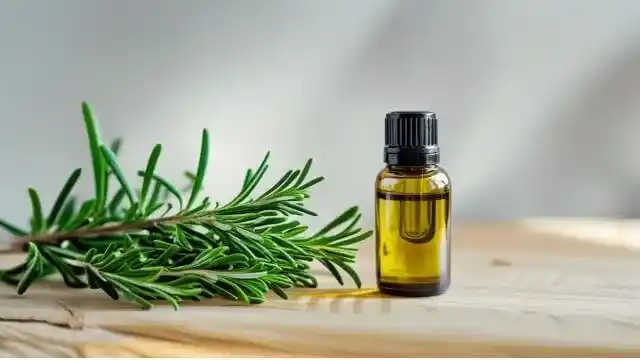

Rosemary essential oil is steam-distilled from the flowering tops and leaves of the rosemary plant, Rosmarinus officinalis, an evergreen shrub in the Lamiaceae family native to the Mediterranean region. It is known for its fresh, herbaceous, lightly camphoraceous aroma and has long been used in aromatic traditions where clarity, freshness, and invigorating botanical scents are valued.
Traditionally, rosemary essential oil has been used in scalp oils, massage blends, household sprays, and daytime diffusers. Its lively green aroma is often chosen for study spaces, morning routines, and blends intended to feel stimulating rather than soothing, especially when paired with lemon, peppermint, or eucalyptus.
Rosemary oil stands out for its dry, herbaceous profile, which feels more green and culinary than many camphoraceous oils. Because it can smell quite assertive, it is usually used in moderate amounts and often balanced with citrus, lavender, or woody oils for a more rounded blend. Rosemary essential oil is available in different chemotypes (CT), each defined by its dominant chemical components. These variations influence the aroma, strength, and traditional uses, making it important to choose the right type for your intended purpose.
| Oil | Botanical Name | Part Used | Aroma Profile | Best For |
|---|---|---|---|---|
| Rosemary Cineole (CT Cineole) | Rosmarinus officinalis ct. cineole | Flowering tops | Fresh, herbaceous, slightly camphoraceous with a clean, uplifting note | Respiratory support, focus, immune support |
| Rosemary Camphor (CT Camphor) | Rosmarinus officinalis ct. camphor | Flowering tops | Sharp, strong, camphoraceous with a penetrating herbal scent | Muscle and joint support, circulation, invigorating blends |
| Rosemary Verbenone (CT Verbenone) | Rosmarinus officinalis ct. verbenone | Flowering tops | Soft, herbaceous, slightly sweet with mild woody undertones | Skin care, gentle support, hair and scalp care |