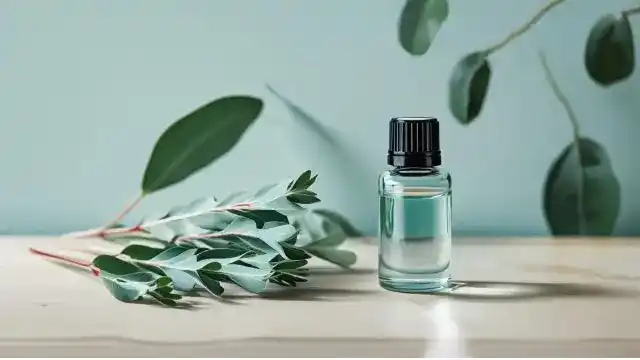

Eucalyptus Essential Oil (All Types)

Eucalyptus essential oil is distilled from the leaves of the eucalyptus tree, Eucalyptus globulus, an evergreen member of the Myrtaceae family native to Australia and Tasmania. It is known for its cool, camphoraceous aroma and has long been used in aromatic traditions for creating a fresh, open-feeling environment in the home and in personal wellness routines.

Traditionally, eucalyptus essential oil has been added to steam bowls, shower blends, chest rubs, and diffuser formulas where a brisk, clarifying scent is desired. Its sharp, airy aroma makes it a favorite for morning rituals, seasonal diffuser blends, and refreshing massage oils intended to create a sense of cleanliness and easy breathing space.

Eucalyptus oil is especially distinctive for its penetrating, high-note aroma, which can quickly dominate a blend if too much is used. It works particularly well with tea tree, rosemary, lemon, and peppermint, and because it is powerful, it is usually used in smaller amounts than softer floral oils.

Different types of eucalyptus essential oil vary significantly depending on the species, with each offering a unique balance of strength, aroma, and traditional use. Some varieties are more intense and clearing, while others are softer and better suited for gentle or everyday use.

Oil Botanical Name Part Used Aroma Profile Best For
Eucalyptus Globulus Eucalyptus globulus Leaf Strong, sharp, camphoraceous, highly penetrating Respiratory support, clearing congestion, strong blends
Eucalyptus Radiata Eucalyptus radiata Leaf Fresher, softer, slightly sweet with gentle camphor notes Respiratory support, children’s blends, gentle use
Eucalyptus Citriodora (Lemon Eucalyptus) Eucalyptus citriodora Leaf Fresh, lemony, bright with soft citronella-like notes Insect repellent, outdoor blends, freshening
Eucalyptus Dives (Peppermint Eucalyptus) Eucalyptus dives Leaf Minty, fresh, slightly sweet with cooling notes Focus, mental clarity, refreshing blends
Eucalyptus Smithii (Gully Gum) Eucalyptus smithii Leaf Soft, mild, slightly sweet and fresh Gentle respiratory support, sensitive users, daily use

Essential Oil Uses

Common Uses

  • Aromatherapy: Diffuse to create a cool, fresh-smelling room and a more invigorating environment.
  • Shower steam: Add to shower tablets or indirect steam blends for a brisk aromatic experience.
  • Massage oil (diluted): Blend with a carrier oil for chest, shoulders, or post-exercise massage routines.
  • Household: Add to room sprays and cleaning blends when a clean, sharp botanical scent is desired.
  • Seasonal routines: Often included in colder-weather diffuser blends for a refreshing household atmosphere.

Targeted Uses

  • Morning clarity: Commonly diffused in the morning when a brisk, alert-feeling atmosphere is preferred.
  • Shower freshness: Frequently used in shower steamers and bathroom blends for a cool, spa-like aroma.
  • Post-activity massage: Added to diluted body oils for a refreshing, cooling-feeling chest and shoulder massage.
  • Fresh air blends: Often combined with lemon or tea tree in diffuser formulas for a cleaner-feeling room.

Aromatic Profile

Eucalyptus essential oil has a clean, penetrating, camphoraceous aroma with cool green notes and a distinctly airy finish.

  • Scent family: Camphoraceous and fresh
  • Fragrance notes: Cool, sharp, clean, penetrating, and green with lightly woody undertones
  • Similar to: Tea tree, cajeput, and ravintsara, though eucalyptus is usually cooler and more airy in aroma

“Eucalyptus is prized for its cool, penetrating fragrance and its power to freshen the air of a room.”

— Adapted from traditional aromatherapy reference material

Eucalyptus Essential Oil (All Types) Preparation Methods

Eucalyptus Essential Oil can be prepared in several ways:


Topical Application

Dilute eucalyptus essential oil in a carrier oil such as sweet almond, jojoba, or fractionated coconut oil before applying to the skin. Around 1–2% is a practical starting point for general body use because eucalyptus can feel strong on sensitive skin.

Remedies: Coming soon chest rubs and eucalyptus body oil recipes.

Diffuser

Eucalyptus essential oil can be diffused to create a crisp, clarifying atmosphere. Fill your diffuser with water, add about 3–5 drops of eucalyptus oil, and diffuse for short periods, especially in the morning or during cooler months.

Remedies: Coming soon diffuser blends with eucalyptus essential oil.

Shower Steam

For shower use, add a small amount of eucalyptus essential oil to a shower steamer or to the shower floor away from direct skin contact, where the steam can carry the aroma upward. Because the scent is strong, a little usually goes a long way.

Remedies: Shower steamer recipes with eucalyptus essential oil coming soon.

Bath

If using eucalyptus in a bath, always mix it first into a carrier oil or suitable dispersant before adding it to the water. Never add undiluted essential oil straight into the tub.

Remedies: Refreshing bath recipes with eucalyptus essential oil coming soon.


Safety Considerations

Eucalyptus essential oil is highly aromatic and widely used in home diffusion and steam routines, but it is still considered a strong oil that benefits from careful handling and modest amounts.

However, its penetrating camphoraceous aroma may feel too intense for sensitive individuals, young children, or pets if used heavily or in enclosed spaces.

  • Always dilute before applying to the skin; around 1–2% is often suitable for general body use.
  • Avoid applying near the face of young children, and use extra caution with strong steam blends.
  • Patch test before first topical use, especially on sensitive skin.
  • Avoid contact with eyes, inner ears, and mucous membranes.
  • Diffuse in moderation and keep the room well ventilated.
  • Use cautiously around pets and allow them to leave the room freely if diffusing.
  • During pregnancy or breastfeeding, individuals should consult a qualified healthcare professional before therapeutic use.

Please use this information for educational purposes only and consult a qualified healthcare professional for individual guidance.

Image Disclaimer: Images are for reference only and should not be used as the sole method of identification. Always confirm identification with a qualified source.
Frequently Asked Questions
What is eucalyptus essential oil used for?

Eucalyptus essential oil is commonly used in diffuser blends, shower steamers, seasonal room sprays, and diluted massage oils. It is especially valued for its cool, fresh aroma and clarifying character.

Can eucalyptus essential oil be used in a diffuser?

Yes, eucalyptus essential oil is widely used in diffusers. Because the aroma is strong, many people use only a few drops or blend it with softer oils such as lemon or lavender.

What does eucalyptus essential oil smell like?

Eucalyptus essential oil has a cool, clean, camphoraceous aroma with green, airy notes. It usually smells sharper and more spacious than tea tree, with less of tea tree’s medicinal edge.

What oils blend well with eucalyptus?

Eucalyptus blends well with lemon, rosemary, tea tree, peppermint, and frankincense. These combinations can make the oil feel brighter, fresher, or more grounded depending on the blend.

Is eucalyptus essential oil safe around pets?

Eucalyptus essential oil should be used carefully around pets, especially in enclosed rooms or at high concentrations. If diffusing, use small amounts, provide ventilation, and let pets leave the space if they wish.

How many drops of eucalyptus essential oil should be used in a diffuser?

A common starting point is about 3–5 drops, depending on diffuser size and how strong you want the aroma to be. Because eucalyptus is powerful, smaller amounts are often enough.

Eucalyptus Essential Oil Benefits and How to Use

Essential Oil Overview

Types Available

Eucalyptus essential oil is not just one single oil. There are many different eucalyptus species and regional types, each with its own aroma, composition, and traditional uses. Some are fresher and more camphoraceous, while others are softer, sweeter, more minty, or distinctly lemony.

Among the best-known types are Eucalyptus globulus, Eucalyptus radiata, Eucalyptus citriodora, Eucalyptus dives, and Eucalyptus smithii, all of which have their own distinct scent profiles and uses.

Other eucalyptus essential oils and related trade names you may come across include Blue Gum, Blue Mallee, Kangaroo Island Oil, Eucalyptus kochii, Lemon Oil, Lemon Scented Gum, Lemon Scented Ironbark, Mint Oil, Narrow Leaf Peppermint, Eucalyptus Oil 80%, Peppermint Gum, Strawberry Gum, WA Mallee Oil, and Western Mallee. As more individual eucalyptus pages are added, this section can expand to link to those varieties as well.