
Lavender Essential Oil (True)

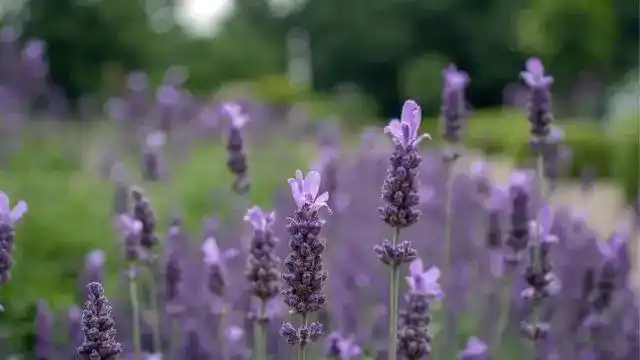
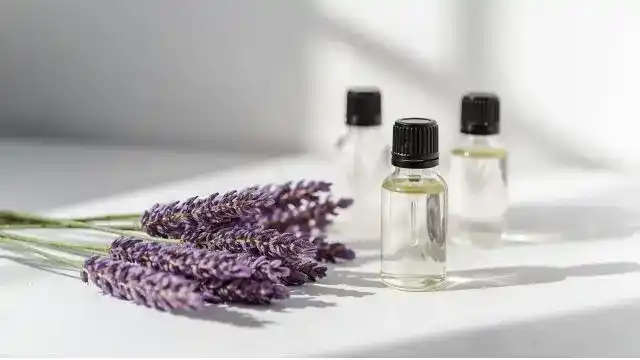
Lavender essential oil (Lavandula angustifolia) is a widely used aromatic oil known for its calming scent, versatile uses, and long history in traditional wellness practices. Steam-distilled from the flowering tops of the lavender plant, it is commonly used to support relaxation, sleep routines, and gentle skincare applications. With its soft floral aroma and balancing properties, lavender essential oil is one of the most popular and approachable oils in aromatherapy.

Lavender Essential Oil has a soft, calming floral aroma that promotes relaxation, restful sleep, and skin-soothing care. Perfect for aromatherapy, massage, and natural wellness.

Lavender essential oil (Lavandula angustifolia) is a widely used aromatic oil extracted from the flowering tops of the lavender plant, a member of the Lamiaceae (mint) family native to the Mediterranean region.

Oil Botanical Name Part Used Aroma Profile Best For
Lavender (True) Lavandula angustifolia Flowering tops Soft, floral, sweet, and calming Relaxation, sleep, sensitive skin
Spike Lavender Lavandula latifolia Flowering tops Herbaceous, sharper, slightly camphoraceous Respiratory support, muscle relief, clearing blends
Lavandin Lavandula x intermedia Flowering tops Stronger, more herbaceous, slightly camphor-like Cleaning blends, freshening, general use

Types of True Lavender Essential Oil by Origin

True lavender essential oil (Lavandula angustifolia) is produced in several regions around the world. While the species remains the same, growing conditions such as climate, altitude, and soil can influence the aroma, quality, and overall character of the oil.

Lavender Bulgarian

Bulgarian lavender is widely regarded as one of the highest-quality sources of true lavender essential oil. It typically has a rich, sweet, and well-rounded floral aroma, making it a popular choice for aromatherapy, perfumery, and skincare formulations.

Lavender French

French lavender essential oil often refers to Lavandula angustifolia grown in regions such as Provence. It is known for its balanced, classic lavender scent with soft floral and slightly herbaceous notes, commonly used in both fragrance and traditional applications.

Lavender Australian

Australian-grown lavender essential oil can vary depending on the region, but it is generally clean, fresh, and slightly more herbaceous compared to European varieties. It is commonly used in everyday formulations, blends, and personal care products.

Lavender Kashmir

Kashmir lavender is grown at higher altitudes and is often described as having a softer, sweeter, and more delicate floral aroma. It is typically associated with premium quality and is favored for relaxation blends and fine fragrance use.

Essential Oil Uses

Common Uses

  • Aromatherapy: Diffuse in the evening to encourage relaxation and deeper sleep.
  • Massage oil (diluted): Add to carrier oils for calming, muscle-soothing blends.
  • Skincare: Apply (well diluted) to creams, lotions, or serums to calm sensitive skin.
  • Bath ritual: Mix a few drops with carrier oil or bath salts for a soothing soak.
  • Household: Add to linen sprays, room sprays, or DIY cleaning blends for a fresh floral aroma.

Targeted Uses

  • Sleep support: Commonly used in nighttime diffuser blends to promote relaxation and restful sleep.
  • Anxiety and stress: Traditionally used for its calming and mood-balancing effects.
  • Headaches: Often included in cooling blends applied (well diluted) to temples or diffused.
  • Skin irritation: Used in diluted skincare blends to support sensitive or irritated skin.

Aromatic Profile

  • Scent family: Floral and herbaceous
  • Fragrance notes: Soft, sweet, and soothing with subtle herbal undertones
  • Similar to: English Lavender, but often slightly more floral and delicate

Lavender Essential Oil (True) Preparation Methods

Lavender Essential Oil can be prepared in several ways:


Topical Application

Dilute a few drops of essential oil in a carrier oil such as jojoba or coconut oil at a 2–4% dilution before applying to the skin as a massage oil or body serum. For facial use, a lower dilution of 1–2% is recommended for a more gentle application.


Diffuser

Lavender essential oil can be diffused to support relaxation and a calming environment. Simply fill your diffuser with water, add around 5 drops of lavender oil, and turn it on. For a soothing evening routine, place the diffuser near your bedside 30–60 minutes before bed to help promote a restful atmosphere.


Bath

For a calming bath ritual, add a few drops of lavender essential oil to warm water. This is commonly used to help relax the body and support comfort after physical strain.

Lavender Essential Oil Uses and Benefits

Safety Considerations
  • Always dilute before applying to the skin (2–3% recommended).
  • Generally considered one of the gentlest and safest essential oils.
  • Keep out of reach of children and pets.
  • Avoid contact with eyes, inner ears, and mucous membranes.
Image Disclaimer: Images are for reference only and should not be used as the sole method of identification. Always confirm identification with a qualified source.
Frequently Asked Questions
What is lavender essential oil used for?

Lavender essential oil is commonly used for relaxation, sleep support, calming routines, and gentle skincare. It is widely used in aromatherapy, massage blends, and evening rituals.

How do you use lavender essential oil?

Lavender essential oil can be used in a diffuser, diluted with a carrier oil for topical application, or added to bath routines. It is often used in calming blends and nighttime routines.

Can lavender essential oil help with sleep?

Lavender essential oil is traditionally associated with relaxation and is often used in bedtime routines. It is commonly diffused in the evening or added to pillows and bath rituals to create a calming environment.

Is Lavender Essential Oil safe for skin?

Lavender essential oil is generally considered one of the gentler oils, but it should always be diluted with a carrier oil before applying to the skin. A lower dilution is recommended for facial use.

Can you apply lavender essential oil directly to the skin?

Lavender essential oil should be diluted before topical use. Applying undiluted essential oils may increase the risk of irritation, especially for sensitive skin.

Lavender Essential Oil and Aromatherapy

Essential Oil Overview

  • Botanical name: Lavandula angustifolia
  • Plant part used: Flowering tops
  • Extraction method: Steam distillation
  • Aroma profile: Soft, floral, and herbaceous with a lightly sweet and calming aroma
  • Aroma note: Middle note
  • Key components: Linalool, Linalyl acetate, Lavandulol, Terpinen-4-ol
  • Top benefits:
    • Promotes relaxation and may support restful sleep
    • Helps calm the nervous system and reduce stress
    • Supports skin health and may help soothe irritation

Types Available

Lavender (Lavandula angustifolia – true lavender)
Lavender Spike (Lavandula latifolia)
Lavandin (Lavandula x intermedia – hybrid lavender)
Bulgarian Lavender Oil
French Lavender Oil
Australian Lavender Oil