

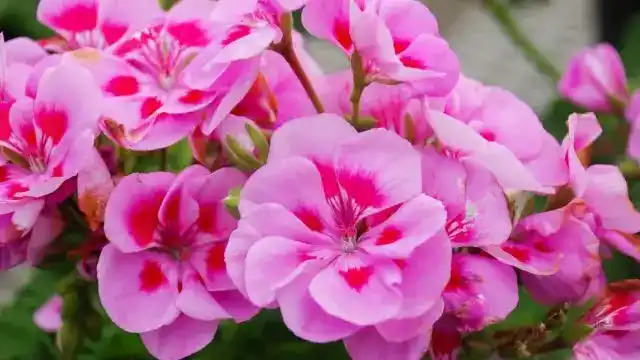
Geranium essential oil (Pelargonium graveolens) is an aromatic extract obtained from the leaves and flowering tops of a aromatic perennial shrub in the Geraniaceae family, native to South Africa. It is known for its rosy, green, fresh, and slightly lemony with a soft herbaceous sweetness. and is used in aromatherapy, body oils, and perfume or home blends depending on the material.
Geranium became a classic perfumery and aromatic plant because it offers floral beauty with a distinctly green freshness. In modern aromatherapy it is widely used in skin blends, emotional-balancing routines, and elegant floral diffuser formulas.
What makes geranium especially useful is how well it performs in blends. Its aroma can either stand out as a defining note or quietly support citrus, floral, woody, or herbal oils, making it a flexible choice for diffuser, massage, and personal aromatic routines. Geranium Essential Oil is made from the leaves and flowers of the Geranium plant.

Essential Oil Overview
Botanical name:Pelargonium graveolens
Plant part used: Leaves and flowering tops
Extraction method: Steam distillation
Aroma profile: Rosy, green, fresh, and slightly lemony with a soft herbaceous sweetness.
Adds a rosy-green balancing note to skin and diffuser blends
Supports floral body oils and perfume formulas
Pairs beautifully with citrus, woods, and herbaceous oils
Often chosen for emotionally balancing aromatic routines
Types available:
Rose geranium oil
Bourbon geranium oil
Egyptian geranium oil
Organic geranium oil
Aromatic Profile
Geranium is one of the most versatile floral oils in aromatherapy, valued equally for its fragrance, skin-blend compatibility, and ability to round out many formulas.
Scent family: Floral and green.
Fragrance notes: Fresh rose leaf, soft citrus, and gentle herb notes with a clean balanced body.
Similar to: Rose and palmarosa, though usually greener and more herbaceous than either.
Blending Suggestions
Geranium essential oil blends harmoniously with citrus, floral, woody, and herbal oils.
This blend is commonly used when you want a room to feel fresh, poised, and gently floral without becoming overly sweet.
Common Uses
Aromatherapy: Diffuse to create a fresh floral atmosphere that feels balanced rather than overly sweet.
Massage oil (diluted): Add to carrier oils for floral body blends with a rosy-green profile.
Skincare: Use in diluted serums, creams, or body oils where a refined floral note is wanted.
Bath ritual: Blend with carrier oil or unscented bath salts for a floral bathing experience.
Perfumery: A classic ingredient in natural perfumes, especially floral, green, and citrus accords.
Targeted Uses
Balancing atmosphere: Often chosen in blends intended to feel steadying, harmonizing, and uplifting.
Skin-focused formulas: Popular in diluted body and facial blends because its aroma feels fresh and clean.
Women’s wellness blends: Traditionally used in aromatic routines designed around rhythm and balance.
Floral bridge note: Useful when transitioning between citrus tops and woody bases in perfumery.
The finest florals are not only sweet; they are also green, alive, and balancing in a blend.
— Traditional botanical perfumery note
Preparation Methods
Geranium Essential Oil can be prepared in several ways:
Topical Application
Dilute to about 1–2% in a carrier oil for body or facial use, using lower dilutions for more delicate skin. Geranium combines especially well with jojoba, rosehip, or lightweight body oils.
Remedies:Coming soon rosy body oil recipes with geranium.
Diffuser
Add 3–5 drops to a diffuser when you want a space to feel floral, fresh, and quietly uplifting. It pairs especially well with citrus and woods.
Mix a few drops with a carrier oil or bath salts before adding to warm water. This helps distribute the oil more evenly and creates a more pleasant bathing experience.
Remedies:Coming soon bath rituals with geranium essential oil.
Safety Considerations
Geranium essential oil is widely used and often well tolerated, but standard dilution and patch testing are still important.
However, essential oils are highly concentrated plant extracts and are best used with care.
Always dilute before skin use and patch test before broader application.
Avoid contact with eyes, inner ears, and mucous membranes.
If using on the face, keep dilutions low and avoid the eye area.
Diffuse in moderation and in well-ventilated spaces.
Keep out of reach of children and pets.
This information is educational and not medical advice; consult a qualified healthcare professional for individual guidance.
This information is provided for educational purposes only and is not medical advice.
Image Disclaimer: Images are for reference only and should not be used as the sole method of identification. Always confirm identification with a qualified source.
Frequently Asked Questions
What is geranium essential oil used for?
Geranium essential oil is commonly used in diffuser blends, floral body oils, diluted skincare formulas, and natural perfumes. It is valued for its rosy-green scent and its ability to balance many different blend styles.
What part of the geranium plant is used for essential oil?
The oil is usually distilled from the leaves and flowering tops of aromatic Pelargonium species, especially Pelargonium graveolens.
Does geranium essential oil smell like rose?
Geranium has a rosy quality, but it is greener, fresher, and more herbaceous than true rose oil. That is why it is often used as a bridge between floral and green notes.
Can geranium essential oil be used on skin?
Yes, when it is properly diluted. It is commonly used in body oils, creams, and serums, though patch testing is still important, especially on delicate skin.
What blends well with geranium essential oil?
Geranium blends beautifully with bergamot, lemon, lavender, jasmine, frankincense, cedarwood, sandalwood, and helichrysum.
Is geranium essential oil good in a diffuser?
Yes. It is popular in diffusers because it creates a fresh floral atmosphere that feels clean and balanced rather than overly sweet.
Geranium essential oil (Pelargonium graveolens) is an aromatic extract obtained from the leaves and flowering tops of a aromatic perennial shrub in the Geraniaceae family, native to South Africa. It is known for its rosy, green, fresh, and slightly lemony with a soft herbaceous sweetness. and is used in aromatherapy, body oils, and perfume or home blends depending on the material.
Geranium became a classic perfumery and aromatic plant because it offers floral beauty with a distinctly green freshness. In modern aromatherapy it is widely used in skin blends, emotional-balancing routines, and elegant floral diffuser formulas.
What makes geranium especially useful is how well it performs in blends. Its aroma can either stand out as a defining note or quietly support citrus, floral, woody, or herbal oils, making it a flexible choice for diffuser, massage, and personal aromatic routines. Geranium Essential Oil is made from the leaves and flowers of the Geranium plant.
Aromatic Profile
Geranium is one of the most versatile floral oils in aromatherapy, valued equally for its fragrance, skin-blend compatibility, and ability to round out many formulas.
Scent family: Floral and green.
Fragrance notes: Fresh rose leaf, soft citrus, and gentle herb notes with a clean balanced body.
Similar to: Rose and palmarosa, though usually greener and more herbaceous than either.
Common Uses
Aromatherapy: Diffuse to create a fresh floral atmosphere that feels balanced rather than overly sweet.
Massage oil (diluted): Add to carrier oils for floral body blends with a rosy-green profile.
Skincare: Use in diluted serums, creams, or body oils where a refined floral note is wanted.
Bath ritual: Blend with carrier oil or unscented bath salts for a floral bathing experience.
Perfumery: A classic ingredient in natural perfumes, especially floral, green, and citrus accords.
Targeted Uses
Balancing atmosphere: Often chosen in blends intended to feel steadying, harmonizing, and uplifting.
Skin-focused formulas: Popular in diluted body and facial blends because its aroma feels fresh and clean.
Women’s wellness blends: Traditionally used in aromatic routines designed around rhythm and balance.
Floral bridge note: Useful when transitioning between citrus tops and woody bases in perfumery.
The finest florals are not only sweet; they are also green, alive, and balancing in a blend.
— Traditional botanical perfumery note
Preparation Methods
Geranium Essential Oil can be prepared in several ways:
Topical Application
Dilute to about 1–2% in a carrier oil for body or facial use, using lower dilutions for more delicate skin. Geranium combines especially well with jojoba, rosehip, or lightweight body oils.
Remedies:Coming soon rosy body oil recipes with geranium.
Diffuser
Add 3–5 drops to a diffuser when you want a space to feel floral, fresh, and quietly uplifting. It pairs especially well with citrus and woods.
Mix a few drops with a carrier oil or bath salts before adding to warm water. This helps distribute the oil more evenly and creates a more pleasant bathing experience.
Remedies:Coming soon bath rituals with geranium essential oil.
Safety Considerations
Geranium essential oil is widely used and often well tolerated, but standard dilution and patch testing are still important.
However, essential oils are highly concentrated plant extracts and are best used with care.
Always dilute before skin use and patch test before broader application.
Avoid contact with eyes, inner ears, and mucous membranes.
If using on the face, keep dilutions low and avoid the eye area.
Diffuse in moderation and in well-ventilated spaces.
Keep out of reach of children and pets.
This information is educational and not medical advice; consult a qualified healthcare professional for individual guidance.
This information is provided for educational purposes only and is not medical advice.
Image Disclaimer: Images are for reference only and should not be used as the sole method of identification. Always confirm identification with a qualified source.
Frequently Asked Questions
What is geranium essential oil used for?
Geranium essential oil is commonly used in diffuser blends, floral body oils, diluted skincare formulas, and natural perfumes. It is valued for its rosy-green scent and its ability to balance many different blend styles.
What part of the geranium plant is used for essential oil?
The oil is usually distilled from the leaves and flowering tops of aromatic Pelargonium species, especially Pelargonium graveolens.
Does geranium essential oil smell like rose?
Geranium has a rosy quality, but it is greener, fresher, and more herbaceous than true rose oil. That is why it is often used as a bridge between floral and green notes.
Can geranium essential oil be used on skin?
Yes, when it is properly diluted. It is commonly used in body oils, creams, and serums, though patch testing is still important, especially on delicate skin.
What blends well with geranium essential oil?
Geranium blends beautifully with bergamot, lemon, lavender, jasmine, frankincense, cedarwood, sandalwood, and helichrysum.
Is geranium essential oil good in a diffuser?
Yes. It is popular in diffusers because it creates a fresh floral atmosphere that feels clean and balanced rather than overly sweet.
Essential Oil Overview
Botanical name:Pelargonium graveolens
Plant part used: Leaves and flowering tops
Extraction method: Steam distillation
Aroma profile: Rosy, green, fresh, and slightly lemony with a soft herbaceous sweetness.