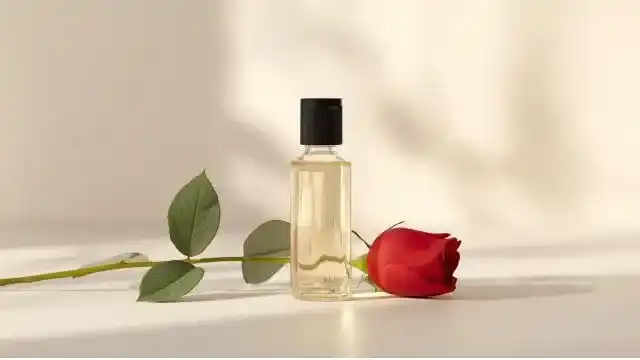

Rose Essential Oil is an aromatic oil obtained from Rosa damascena, a plant in the Rosaceae (rose family) native to The Middle East and cultivated rose-growing regions such as Bulgaria, Turkey, and Iran. It is valued for a precious floral oil distilled from rose petals and celebrated in perfumery and body care and is used in aromatherapy, perfumery, and carefully diluted body blends.
Traditionally, rose essential oil has been used to scent rooms, support daily wellness rituals, and add its characteristic aroma to massage oils, baths, sprays, and personal fragrance. It is commonly chosen for luxury skincare, floral perfume, and restorative self-care rituals.
True rose oil is treasured not only for its scent but also for the sheer amount of petals required to produce it, which is why even a very small amount can transform a blend. This is what makes Rose Essential Oil one of the most expensive essential oils to buy.
Essential Oil Overview
Botanical name:Rosa damascena
Plant part used: Petals
Extraction method: Steam distillation
Aroma profile: Deeply floral, soft, and velvety with rosy sweetness, faint spice, and a rich honeyed nuance
Creates a luxurious and emotionally soothing floral atmosphere
Adds elegance to skincare, body oils, and natural perfume
Supports reflective self-care rituals with a rich comforting scent
Brings floral depth and softness to sophisticated diffuser blends
Types Available
Rose otto (Rosa damascena steam-distilled oil)
Bulgarian rose otto
Turkish rose otto
Rose absolute
Aromatic Profile
Rose essential oil has deeply floral, soft, and velvety with rosy sweetness, faint spice, and a rich honeyed nuance.
Scent family: Floral and rich
Fragrance notes: Velvety rose petals, soft sweetness, faint spice, and a warm honeyed finish
Similar to: Rose absolute, geranium, and palmarosa, though true rose is usually deeper, more nuanced, and more luxurious
Blending Suggestions
Rose essential oil blends beautifully with citrus blossom oils, soft florals, and warm woods, creating elegant and well-balanced aromatic combinations.
This elegant blend is often used in calming routines, combining soft floral richness with gentle warmth and depth.
Common Uses
Aromatherapy: Diffuse for a soft, luxurious floral atmosphere during reflective or restorative routines.
Skincare: Use in low dilution in facial oils, creams, or serums where a classic floral scent is desired.
Massage oil (diluted): Blend into carrier oils for heart-centered, romantic, or comforting body blends.
Bath ritual: Add to evening bath routines for a refined floral aromatic experience.
Natural perfume: Use as a core floral heart note in perfume and body oil compositions.
Targeted Uses
Emotional comfort: Often chosen when a blend is intended to feel warm, tender, and deeply soothing.
Luxury skincare: Valued in premium body and facial formulations for its iconic scent.
Romantic ambiance: Used to create refined floral blends for intimate or ceremonial spaces.
Fine fragrance work: Frequently used as a central floral note in natural perfume.
“The rose has long stood as the queen of flowers, its perfume treasured in the stillroom, the bath, and the heart.”
— Adapted from traditional rose literature
Rose Essential Oil Preparation Methods
Rose Essential Oil can be prepared in several ways:
Topical Application
Dilute rose essential oil in a carrier such as jojoba, rosehip, or argan oil before applying to the skin. Because rose is precious and aromatic, a small amount at 0.5–1% often gives excellent scent and elegance in facial or body blends.
Remedies:Coming soon facial oil and body serum recipes with rose essential oil.
Diffuser
Add 2–4 drops to a diffuser for a luxurious floral atmosphere. Rose pairs especially well with neroli, lavender, and frankincense in calming evening blends.
Remedies:Coming soon diffuser blends with rose essential oil.
Bath
Blend 2–3 drops into a dispersant or carrier oil before adding to warm bathwater. Rose is frequently chosen for slow, restorative bath rituals and ceremonial self-care.
Remedies:Coming soon bath ritual recipes with rose essential oil.
Natural Perfume
Use in roll-on perfume blends where a classic floral heart is needed. Rose also works beautifully with citrus, woods, and resins.
Remedies:Coming soon perfume blend recipes with rose essential oil.
Safety Considerations
Rose essential oil is generally used in low amounts because it is highly aromatic, precious, and richly concentrated.
However, even gentle floral oils should still be diluted before topical use and patch tested first.
Always dilute before applying to the skin; around 0.5–1% is often enough for most body and facial blends.
Patch test before first use, especially on delicate facial skin.
Avoid contact with eyes, inner ears, and mucous membranes.
Because rose is very concentrated, a few drops usually provide ample scent in diffuser and skincare blends.
Consult a qualified healthcare professional before therapeutic use during pregnancy or breastfeeding.
Diffuse around pets only in well-ventilated spaces where they can leave if they wish.
Store away from heat, light, and children.
This information is for educational purposes only and is not medical advice.
Image Disclaimer: Images are for reference only and should not be used as the sole method of identification. Always confirm identification with a qualified source.
Frequently Asked Questions
What is rose essential oil used for?
Rose essential oil is commonly used in luxury skincare, natural perfume, bath rituals, and diffuser blends intended to feel rich, calming, and emotionally comforting. It is especially valued for its deep floral elegance.
What does rose essential oil smell like?
Rose essential oil smells velvety, floral, softly sweet, and faintly honeyed, with far more nuance and depth than a simple rose fragrance oil.
Why is rose essential oil expensive?
Rose essential oil is often expensive because a very large quantity of petals is needed to produce a small amount of oil. Harvesting fragrant rose petals is also labor-intensive and time-sensitive.
Can rose essential oil be used on the face?
Rose essential oil is often included in facial oils and serums at low dilution because its scent is luxurious and refined. As with any essential oil, it should be properly diluted and patch tested first.
What oils blend well with rose?
Rose blends especially well with neroli, rose geranium, lavender, frankincense, and lemon balm. These oils can enhance its softness, brightness, or grounding depth.
What is the difference between rose oil and rose absolute?
Rose essential oil, often called rose otto, is steam distilled, while rose absolute is usually solvent extracted. Both smell distinctly rosy, but the absolute is often heavier and more honeyed.
Rose Essential Oil is an aromatic oil obtained from Rosa damascena, a plant in the Rosaceae (rose family) native to The Middle East and cultivated rose-growing regions such as Bulgaria, Turkey, and Iran. It is valued for a precious floral oil distilled from rose petals and celebrated in perfumery and body care and is used in aromatherapy, perfumery, and carefully diluted body blends.
Traditionally, rose essential oil has been used to scent rooms, support daily wellness rituals, and add its characteristic aroma to massage oils, baths, sprays, and personal fragrance. It is commonly chosen for luxury skincare, floral perfume, and restorative self-care rituals.
True rose oil is treasured not only for its scent but also for the sheer amount of petals required to produce it, which is why even a very small amount can transform a blend. This is what makes Rose Essential Oil one of the most expensive essential oils to buy.
Aromatic Profile
Rose essential oil has deeply floral, soft, and velvety with rosy sweetness, faint spice, and a rich honeyed nuance.
Scent family: Floral and rich
Fragrance notes: Velvety rose petals, soft sweetness, faint spice, and a warm honeyed finish
Similar to: Rose absolute, geranium, and palmarosa, though true rose is usually deeper, more nuanced, and more luxurious
Common Uses
Aromatherapy: Diffuse for a soft, luxurious floral atmosphere during reflective or restorative routines.
Skincare: Use in low dilution in facial oils, creams, or serums where a classic floral scent is desired.
Massage oil (diluted): Blend into carrier oils for heart-centered, romantic, or comforting body blends.
Bath ritual: Add to evening bath routines for a refined floral aromatic experience.
Natural perfume: Use as a core floral heart note in perfume and body oil compositions.
Targeted Uses
Emotional comfort: Often chosen when a blend is intended to feel warm, tender, and deeply soothing.
Luxury skincare: Valued in premium body and facial formulations for its iconic scent.
Romantic ambiance: Used to create refined floral blends for intimate or ceremonial spaces.
Fine fragrance work: Frequently used as a central floral note in natural perfume.
“The rose has long stood as the queen of flowers, its perfume treasured in the stillroom, the bath, and the heart.”
— Adapted from traditional rose literature
Rose Essential Oil Preparation Methods
Rose Essential Oil can be prepared in several ways:
Topical Application
Dilute rose essential oil in a carrier such as jojoba, rosehip, or argan oil before applying to the skin. Because rose is precious and aromatic, a small amount at 0.5–1% often gives excellent scent and elegance in facial or body blends.
Remedies:Coming soon facial oil and body serum recipes with rose essential oil.
Diffuser
Add 2–4 drops to a diffuser for a luxurious floral atmosphere. Rose pairs especially well with neroli, lavender, and frankincense in calming evening blends.
Remedies:Coming soon diffuser blends with rose essential oil.
Bath
Blend 2–3 drops into a dispersant or carrier oil before adding to warm bathwater. Rose is frequently chosen for slow, restorative bath rituals and ceremonial self-care.
Remedies:Coming soon bath ritual recipes with rose essential oil.
Natural Perfume
Use in roll-on perfume blends where a classic floral heart is needed. Rose also works beautifully with citrus, woods, and resins.
Remedies:Coming soon perfume blend recipes with rose essential oil.
Safety Considerations
Rose essential oil is generally used in low amounts because it is highly aromatic, precious, and richly concentrated.
However, even gentle floral oils should still be diluted before topical use and patch tested first.
Always dilute before applying to the skin; around 0.5–1% is often enough for most body and facial blends.
Patch test before first use, especially on delicate facial skin.
Avoid contact with eyes, inner ears, and mucous membranes.
Because rose is very concentrated, a few drops usually provide ample scent in diffuser and skincare blends.
Consult a qualified healthcare professional before therapeutic use during pregnancy or breastfeeding.
Diffuse around pets only in well-ventilated spaces where they can leave if they wish.
Store away from heat, light, and children.
This information is for educational purposes only and is not medical advice.
Image Disclaimer: Images are for reference only and should not be used as the sole method of identification. Always confirm identification with a qualified source.
Frequently Asked Questions
What is rose essential oil used for?
Rose essential oil is commonly used in luxury skincare, natural perfume, bath rituals, and diffuser blends intended to feel rich, calming, and emotionally comforting. It is especially valued for its deep floral elegance.
What does rose essential oil smell like?
Rose essential oil smells velvety, floral, softly sweet, and faintly honeyed, with far more nuance and depth than a simple rose fragrance oil.
Why is rose essential oil expensive?
Rose essential oil is often expensive because a very large quantity of petals is needed to produce a small amount of oil. Harvesting fragrant rose petals is also labor-intensive and time-sensitive.
Can rose essential oil be used on the face?
Rose essential oil is often included in facial oils and serums at low dilution because its scent is luxurious and refined. As with any essential oil, it should be properly diluted and patch tested first.
What oils blend well with rose?
Rose blends especially well with neroli, rose geranium, lavender, frankincense, and lemon balm. These oils can enhance its softness, brightness, or grounding depth.
What is the difference between rose oil and rose absolute?
Rose essential oil, often called rose otto, is steam distilled, while rose absolute is usually solvent extracted. Both smell distinctly rosy, but the absolute is often heavier and more honeyed.
Essential Oil Overview
Botanical name:Rosa damascena
Plant part used: Petals
Extraction method: Steam distillation
Aroma profile: Deeply floral, soft, and velvety with rosy sweetness, faint spice, and a rich honeyed nuance
Creates a luxurious and emotionally soothing floral atmosphere
Adds elegance to skincare, body oils, and natural perfume
Supports reflective self-care rituals with a rich comforting scent
Brings floral depth and softness to sophisticated diffuser blends
Types Available
Rose otto (Rosa damascena steam-distilled oil)
Bulgarian rose otto
Turkish rose otto
Rose absolute
Blending Suggestions
Rose essential oil blends beautifully with citrus blossom oils, soft florals, and warm woods, creating elegant and well-balanced aromatic combinations.