

Basil Essential Oil

Basil Essential Oil is valued in aromatherapy for its fresh, spicy, herbaceous aroma and its long traditional association with mental clarity, focus, and emotional balance. Often considered one of the more stimulating herbal essential oils, Basil is commonly used in diffuser blends intended to help refresh the mind, support concentration, and ease feelings of mental fatigue.

Traditionally, Basil Essential Oil has also been used in topical blends and wellness preparations for its warming, comforting, and clarifying qualities. In natural wellness traditions, it has been associated with soothing tension, supporting circulation, and easing occasional headaches.

Because of its fresh, warming, and clarifying nature, Basil Essential Oil is commonly associated with soothing insect bites, easing minor inflammation, and supporting skin affected by blemishes, dryness, and minor abrasions when properly diluted.

The aroma of Basil blends particularly well with citrus, mint, wood, and resin oils, making it a versatile addition to energising diffuser recipes, massage oils, herbal balms, and seasonal wellness blends.

Basil essential oil is commonly used in brightening diffuser blends, focus formulas, and fresh household aromas. Different chemotypes can vary significantly, so the precise botanical type and constituent profile should be checked before use, especially for topical products.

This oil is especially appreciated for its tarragon-style blending potential and is usually used in small amounts because its scent profile can strongly shape the finished aroma.

Oil Why It’s Similar Key Difference Best Use Case
Holy Basil Essential Oil Same plant family with similar herbal profile More adaptogenic and grounding Stress and emotional balance
Marjoram Essential Oil Warm herbal aroma with calming effects More relaxing and less stimulating Relaxation and muscle blends
Rosemary Essential Oil Stimulating and clarifying herbal oil Stronger, sharper aroma Focus and mental clarity
Thyme Essential Oil Herbal and traditionally used for wellness More potent and antimicrobial Immune and respiratory blends

When to Choose This Oil

Basil essential oil is a good choice when a fresh, stimulating herbal aroma is needed, particularly in blends designed to support focus and mental clarity. Compared to heavier herbal oils like marjoram, it offers a more uplifting and energizing profile, making it better suited for daytime use or diffuser blends.

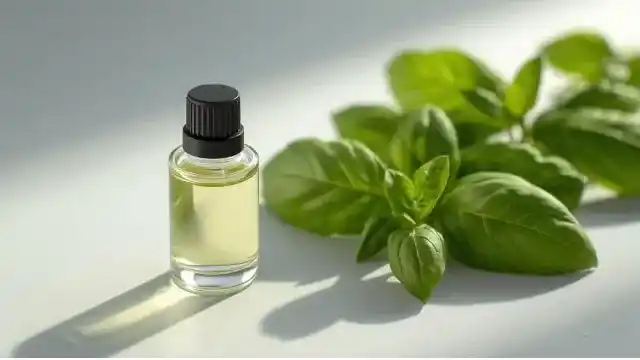
Benefits and Common Uses of Basil EO

Common Uses

  • Aromatherapy: Basil essential oil is often diffused in small amounts to create a fresh, green, sweet-herbaceous, and lightly spicy atmosphere.
  • Focus blends: It is commonly used in daytime diffuser blends where a clear, refreshed, and alert aromatic impression is wanted.
  • Massage oil: When properly diluted in a carrier oil, basil essential oil may be used in massage blends where a warming, stimulating herbal aroma is preferred.
  • Natural perfumery: Basil adds a bright herbal top-to-middle note to natural perfumes, body oils, and pulse-point blends.
  • Room sprays: It can be used in home fragrance blends where a clean, uplifting, garden-like scent is desired.
  • Shower or steam blends: Used sparingly, basil can bring a bright and invigorating herbal scent to aromatic shower routines.

Benefits

  • Freshens the atmosphere: Basil essential oil has a clean, green aroma that can help make a room feel brighter and more refreshed.
  • Supports a focused mood: In aromatherapy, basil is often associated with mental clarity, alertness, and concentration.
  • Uplifting aromatic profile: Its sweet-herbaceous scent can be useful in blends intended to ease feelings of tiredness or mental heaviness.
  • Warming massage aroma: When diluted, basil is often included in body care and massage blends where a warming, stimulating scent is wanted.
  • Useful blending note: Basil can add freshness, brightness, and herbal complexity to citrus, floral, woody, and spicy essential oil blends.

Basil essential oil is commonly used in aromatherapy, home fragrance, massage blends, and natural perfumery. However, many of its reported benefits come from traditional use, personal experience, and aromatherapy practice rather than strong clinical evidence.

Blending Uses

  • Blends well with citrus oils such as lemon, bergamot, grapefruit, lime, and sweet orange.
  • Pairs nicely with herbaceous oils such as rosemary, clary sage, lavender, marjoram, and thyme.
  • Can brighten deeper oils such as cedarwood, frankincense, patchouli, black pepper, and ginger.
  • Works well in diffuser blends designed to feel fresh, clean, focused, or garden-like.

Aromatic Profile

Fresh and lively with green culinary-herb brightness and a lightly spicy edge.

  • Scent family: Herbaceous and spicy
  • Fragrance notes: Green basil leaf, sweet herb, soft spice, and faint anise
  • Similar to: Tarragon, aniseed, and clary sage, though basil is greener and more culinary

Few herb oils bring the same lively greenness to a blend as fresh basil.

— Traditional aromatic kitchen-garden note

Basil Essential Oil Preparation Methods

Basil essential oil can be prepared in several ways:


Topical Application

Dilute in a carrier oil before applying to the skin. For body use, a 1–2% dilution is usually a practical starting point, while facial or very sensitive applications should be much lower. Because this oil has a distinctive aroma profile, a small amount often goes a long way in personal blends.

Remedies: Coming soon recipes using Basil essential oil.

Diffuser

Basil essential oil can be diffused to enjoy its aromatic character in the home, office, or treatment space. Add around 3–5 drops to water in a standard diffuser, or use less if the aroma is especially strong. Start low and adjust based on the size of the room and the intensity you prefer.

Remedies: Coming soon diffuser blends with Basil essential oil.

Steam or Shower Aromatics

Add a small amount to an appropriate shower steamer, steam bowl, or shower floor blend for an aromatic burst. Avoid using too much, especially with stronger oils, since warm steam can make the scent feel much more intense.

Remedies: More aromatic blend ideas coming soon.

Bath

For bath use, first mix a few drops into a dispersing base such as unscented bath gel, liquid soap, carrier oil, or bath salts before adding to warm water. This helps distribute the oil more evenly and reduces the chance of skin irritation from undiluted contact.

Remedies: Bath blend recipes coming soon.


Safety Considerations

Basil essential oil has traditional aromatic uses, but it should still be handled with care. Essential oils are highly concentrated plant extracts, and tolerance can vary depending on the concentration, chemistry, chemotype, and individual sensitivity.

  • Always dilute before applying to the skin and patch test first.
  • Check the exact basil variety or chemotype before regular use, as basil essential oils can vary significantly in composition.
  • Use caution during pregnancy and while breastfeeding, especially with methyl chavicol-rich basil oils.
  • Avoid contact with the eyes, inner ears, and mucous membranes.
  • Keep out of reach of children and pets.

This information is provided for educational purposes only and is not medical advice. Individuals with medical conditions, those who are pregnant or breastfeeding, and anyone using essential oils around children or pets should consult a qualified healthcare professional when appropriate.

Image Disclaimer: Images are for reference only and should not be used as the sole method of identification. Always confirm identification with a qualified source.
Frequently Asked Questions about Basil Essential Oil
What is basil used for?

Basil essential oil is commonly used in diffuser blends, perfumery, body oils, and other aromatic formulas where its herbaceous and spicy character is wanted. The exact role depends on the oil, but it is generally chosen for scent, mood, and blend-building rather than as a generic all-purpose oil.

What does basil smell like?

Basil essential oil has a fresh, green, sweet-herbaceous, and lightly spicy with a bright anise nuance. Many people choose it specifically because its aroma can quickly shape the overall direction of a blend, whether that is fresh, warm, resinous, herbal, or softly floral.

How do you use basil in a diffuser?

To diffuse Basil essential oil, add around 3–5 drops to water in a standard diffuser, then adjust based on room size and scent strength. Stronger oils often need less, and it is usually best to start low and build gradually.

Is basil safe on skin?

Basil essential oil should not be applied to the skin undiluted. A carrier oil is recommended, patch testing is wise, and some oils in this group need extra caution because they can irritate sensitive skin or may not be suitable in pregnancy, around children, or for pets.

What oils blend well with basil?

Basil essential oil blends well with oils that support its natural profile, such as those in the citrus, floral, woody, herbal, or resinous families. Good pairings depend on the oil, but balanced blends usually combine a lifting top note, a supporting middle note, and a grounding base note.

What should you look for when buying basil?

When buying Basil essential oil, look for a reputable supplier that lists the full botanical name, plant part, extraction method, and preferably a batch or constituent profile. Clear identification matters because related oils can differ significantly in aroma, chemistry, and safety.

Basil Essential Oil Benefits and How to Use

Essential Oil Overview

  • Botanical name: Ocimum basilicum
  • Plant part used: Leaves and flowering tops
  • Extraction method: Steam distillation
  • Aroma profile: Fresh, green, sweet-herbaceous, and lightly spicy with a bright anise nuance.
  • Aroma note: Top note
  • Key components: Linalool, Methyl chavicol, 1,8-Cineole, Eugenol
  • Top benefits:
    • Supports clear, uplifting diffuser blends for study and focus
    • Adds fresh herbal brightness to massage and room spray formulas
    • Pairs well with citrus and mint oils for energizing daytime blends

Types Available

Sweet basil essential oil
Basil ct. linalool
Basil ct. methyl chavicol
Holy basil oil