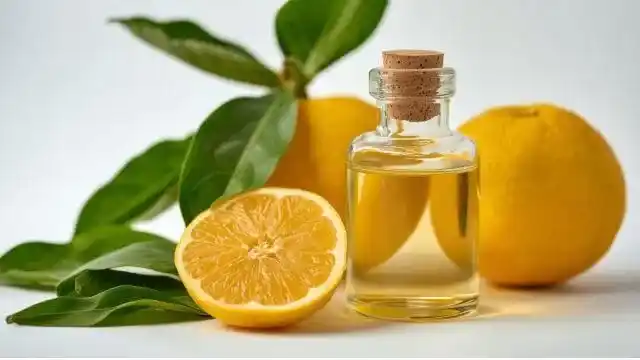
Bergamot essential oil is typically cold-pressed from the peel of the bergamot orange tree, Citrus bergamia, an evergreen citrus tree in the Rutaceae family associated especially with southern Italy. It is known for its bright yet refined aroma, combining fresh citrus notes with a softer floral-bitter nuance that sets it apart from sharper oils such as lemon.
Traditionally, bergamot essential oil has been used in perfumery, morning diffuser blends, body oils, and natural room sprays. Its fragrance is often chosen when a blend needs brightness without harshness, making it especially popular in calming citrus formulas, floral perfumes, and clean yet elegant home scents.
Because bergamot sits between citrus and floral categories, it is one of the most versatile blending oils in aromatherapy. As with other cold-pressed citrus oils, some bergamot oils may increase photosensitivity on the skin, so topical use is usually handled with care and proper dilution.
Botanical Overview
Botanical name:Citrus bergamia
Family: Rutaceae (citrus family)
Plant type: Evergreen citrus tree
Native region: Mediterranean region, especially southern Italy
Common names: Bergamot, Bergamot orange, Bergamot peel oil
Aromatic Profile
Bergamot essential oil has a bright citrus aroma softened by floral, lightly bitter, and elegant tea-like nuances.
Scent family: Citrus and lightly floral
Fragrance notes: Fresh, sweet, citrusy, slightly bitter, and softly floral with an elegant top note
Similar to: Lemon, neroli, and petitgrain, though bergamot is usually softer, rounder, and more floral than lemon
Blending Suggestions
Bergamot essential oil blends beautifully with floral, woody, herbal, and resinous oils thanks to its soft, elegant citrus profile.
This balanced blend is commonly used in daytime or early evening diffusers when a room needs to feel both fresh and settled.
Common Uses
Aromatherapy: Diffuse for a bright, balanced atmosphere that feels fresh without being too sharp.
Natural perfume: Use as a refined citrus note in floral, woody, or herbal fragrance blends.
Skincare: Add well diluted to creams, serums, or body oils for a light floral-citrus scent.
Room spray: Blend into home fragrance mists for a clean yet elegant citrus aroma.
Bath ritual: Use in carefully diluted bath blends for a fresh, spa-like experience.
Targeted Uses
Mood-lifting blends: Commonly used in diffuser routines that aim to feel bright, soft, and emotionally balanced.
Perfume blending: Frequently used to bridge floral and citrus notes in natural fragrance work.
Gentle daytime freshness: Often preferred over sharper citrus oils when a calmer room scent is desired.
Spa-style body care: Used in body oils and bath blends when a sophisticated citrus profile is preferred.
“Bergamot is esteemed for its power to brighten a fragrance while preserving softness and elegance.”
— Adapted from traditional perfumery reference material
Preparation Methods
Bergamot Essential Oil can be prepared in several ways. It is important to note that there are two main types available: standard cold-pressed bergamot and bergaptene-free (BF) bergamot. The BF version has had the phototoxic compound removed, making it more suitable for leave-on skin applications.
Topical Application
Dilute bergamot essential oil in a carrier oil such as jojoba, sweet almond, or fractionated coconut oil before applying it to the skin. A dilution of around 1–2% is common for body use. If using standard cold-pressed bergamot, avoid sun exposure on the treated area due to its natural phototoxic compounds. Bergaptene-free (BF) bergamot is typically preferred for daytime or leave-on skincare as it reduces this risk.
Remedies:Coming soon bergamot body oil and perfume recipes.
Diffuser
Bergamot essential oil can be diffused on its own or blended with lavender, frankincense, or sandalwood for a refined citrus atmosphere. Add about 4–6 drops to a water-filled diffuser and use during daytime or early evening routines. Both standard and BF bergamot can be used safely for aromatic purposes.
Remedies:Coming soon diffuser blends with bergamot essential oil.
Bath
For bath use, first combine bergamot essential oil with a carrier oil or suitable dispersant before adding it to the water. This helps distribute the oil evenly and reduces the chance of skin irritation from undiluted droplets. When using standard bergamot, be mindful of sun exposure after bathing; BF bergamot is a safer option for this application.
Remedies:Spa-inspired bath recipes with bergamot essential oil coming soon.
Natural Perfume
Bergamot is especially useful in roll-on perfumes and botanical colognes, where it contributes a bright opening note that still feels rounded and elegant. Bergaptene-free (BF) bergamot is often preferred in perfumes applied to exposed skin, particularly for daytime wear.
Remedies:Coming soon natural perfume recipes with bergamot essential oil.
Safety Considerations
Bergamot essential oil is widely loved for its elegant fragrance, but like several citrus oils, its topical safety depends partly on how it was produced.
However, cold-pressed bergamot may increase skin sensitivity to sunlight unless it is specifically labeled bergaptene-free, so careful label reading is important.
Always dilute before applying to the skin; around 1–2% is often suitable for general body use.
If the oil is cold-pressed and not bergaptene-free, avoid direct sun or tanning bed exposure on treated skin afterward.
Patch test before first topical use, especially on sensitive skin.
Avoid contact with eyes, inner ears, and mucous membranes.
Citrus oils should be used cautiously around pets and diffused in well-ventilated spaces.
Store away from heat and light, as bergamot can oxidize over time.
Please use this information for educational purposes only and consult a qualified healthcare professional for individual guidance.
Image Disclaimer: Images are for reference only and should not be used as the sole method of identification. Always confirm identification with a qualified source.
Frequently Asked Questions
What is bergamot essential oil used for?
Bergamot essential oil is commonly used in diffuser blends, natural perfume, body oils, and room sprays. It is especially valued when a scent needs to feel citrusy, refined, and slightly floral rather than sharply lemon-like.
What does bergamot essential oil smell like?
Bergamot essential oil smells bright, fresh, sweet, and lightly floral, with a hint of bitterness. Compared with lemon, it is usually softer, rounder, and more elegant.
Is bergamot essential oil photosensitive?
Some bergamot essential oils, especially cold-pressed versions, may increase skin sensitivity to sunlight. Bergaptene-free bergamot is different, so checking the label is important before topical use.
What oils blend well with bergamot?
Bergamot blends well with lavender, frankincense, sandalwood, lemon, and roman chamomile. These pairings can make it feel more floral, more grounded, or more softly citrus depending on the blend.
Can bergamot essential oil be used in perfume?
Yes, bergamot is one of the classic oils used in natural perfume and cologne-style blends. It adds a bright opening note that still feels polished and smooth.
Why is bergamot essential oil so popular in diffuser blends?
Bergamot is popular in diffuser blends because it brightens a room without smelling too sharp. It creates a fresh atmosphere, yet it also blends smoothly with floral, woody, and resinous oils.
Bergamot essential oil is typically cold-pressed from the peel of the bergamot orange tree, Citrus bergamia, an evergreen citrus tree in the Rutaceae family associated especially with southern Italy. It is known for its bright yet refined aroma, combining fresh citrus notes with a softer floral-bitter nuance that sets it apart from sharper oils such as lemon.
Traditionally, bergamot essential oil has been used in perfumery, morning diffuser blends, body oils, and natural room sprays. Its fragrance is often chosen when a blend needs brightness without harshness, making it especially popular in calming citrus formulas, floral perfumes, and clean yet elegant home scents.
Because bergamot sits between citrus and floral categories, it is one of the most versatile blending oils in aromatherapy. As with other cold-pressed citrus oils, some bergamot oils may increase photosensitivity on the skin, so topical use is usually handled with care and proper dilution.
Aromatic Profile
Bergamot essential oil has a bright citrus aroma softened by floral, lightly bitter, and elegant tea-like nuances.
Scent family: Citrus and lightly floral
Fragrance notes: Fresh, sweet, citrusy, slightly bitter, and softly floral with an elegant top note
Similar to: Lemon, neroli, and petitgrain, though bergamot is usually softer, rounder, and more floral than lemon
Common Uses
Aromatherapy: Diffuse for a bright, balanced atmosphere that feels fresh without being too sharp.
Natural perfume: Use as a refined citrus note in floral, woody, or herbal fragrance blends.
Skincare: Add well diluted to creams, serums, or body oils for a light floral-citrus scent.
Room spray: Blend into home fragrance mists for a clean yet elegant citrus aroma.
Bath ritual: Use in carefully diluted bath blends for a fresh, spa-like experience.
Targeted Uses
Mood-lifting blends: Commonly used in diffuser routines that aim to feel bright, soft, and emotionally balanced.
Perfume blending: Frequently used to bridge floral and citrus notes in natural fragrance work.
Gentle daytime freshness: Often preferred over sharper citrus oils when a calmer room scent is desired.
Spa-style body care: Used in body oils and bath blends when a sophisticated citrus profile is preferred.
“Bergamot is esteemed for its power to brighten a fragrance while preserving softness and elegance.”
— Adapted from traditional perfumery reference material
Preparation Methods
Bergamot Essential Oil can be prepared in several ways. It is important to note that there are two main types available: standard cold-pressed bergamot and bergaptene-free (BF) bergamot. The BF version has had the phototoxic compound removed, making it more suitable for leave-on skin applications.
Topical Application
Dilute bergamot essential oil in a carrier oil such as jojoba, sweet almond, or fractionated coconut oil before applying it to the skin. A dilution of around 1–2% is common for body use. If using standard cold-pressed bergamot, avoid sun exposure on the treated area due to its natural phototoxic compounds. Bergaptene-free (BF) bergamot is typically preferred for daytime or leave-on skincare as it reduces this risk.
Remedies:Coming soon bergamot body oil and perfume recipes.
Diffuser
Bergamot essential oil can be diffused on its own or blended with lavender, frankincense, or sandalwood for a refined citrus atmosphere. Add about 4–6 drops to a water-filled diffuser and use during daytime or early evening routines. Both standard and BF bergamot can be used safely for aromatic purposes.
Remedies:Coming soon diffuser blends with bergamot essential oil.
Bath
For bath use, first combine bergamot essential oil with a carrier oil or suitable dispersant before adding it to the water. This helps distribute the oil evenly and reduces the chance of skin irritation from undiluted droplets. When using standard bergamot, be mindful of sun exposure after bathing; BF bergamot is a safer option for this application.
Remedies:Spa-inspired bath recipes with bergamot essential oil coming soon.
Natural Perfume
Bergamot is especially useful in roll-on perfumes and botanical colognes, where it contributes a bright opening note that still feels rounded and elegant. Bergaptene-free (BF) bergamot is often preferred in perfumes applied to exposed skin, particularly for daytime wear.
Remedies:Coming soon natural perfume recipes with bergamot essential oil.
Safety Considerations
Bergamot essential oil is widely loved for its elegant fragrance, but like several citrus oils, its topical safety depends partly on how it was produced.
However, cold-pressed bergamot may increase skin sensitivity to sunlight unless it is specifically labeled bergaptene-free, so careful label reading is important.
Always dilute before applying to the skin; around 1–2% is often suitable for general body use.
If the oil is cold-pressed and not bergaptene-free, avoid direct sun or tanning bed exposure on treated skin afterward.
Patch test before first topical use, especially on sensitive skin.
Avoid contact with eyes, inner ears, and mucous membranes.
Citrus oils should be used cautiously around pets and diffused in well-ventilated spaces.
Store away from heat and light, as bergamot can oxidize over time.
Please use this information for educational purposes only and consult a qualified healthcare professional for individual guidance.
Image Disclaimer: Images are for reference only and should not be used as the sole method of identification. Always confirm identification with a qualified source.
Frequently Asked Questions
What is bergamot essential oil used for?
Bergamot essential oil is commonly used in diffuser blends, natural perfume, body oils, and room sprays. It is especially valued when a scent needs to feel citrusy, refined, and slightly floral rather than sharply lemon-like.
What does bergamot essential oil smell like?
Bergamot essential oil smells bright, fresh, sweet, and lightly floral, with a hint of bitterness. Compared with lemon, it is usually softer, rounder, and more elegant.
Is bergamot essential oil photosensitive?
Some bergamot essential oils, especially cold-pressed versions, may increase skin sensitivity to sunlight. Bergaptene-free bergamot is different, so checking the label is important before topical use.
What oils blend well with bergamot?
Bergamot blends well with lavender, frankincense, sandalwood, lemon, and roman chamomile. These pairings can make it feel more floral, more grounded, or more softly citrus depending on the blend.
Can bergamot essential oil be used in perfume?
Yes, bergamot is one of the classic oils used in natural perfume and cologne-style blends. It adds a bright opening note that still feels polished and smooth.
Why is bergamot essential oil so popular in diffuser blends?
Bergamot is popular in diffuser blends because it brightens a room without smelling too sharp. It creates a fresh atmosphere, yet it also blends smoothly with floral, woody, and resinous oils.
Botanical Overview
Botanical name:Citrus bergamia
Family: Rutaceae (citrus family)
Plant type: Evergreen citrus tree
Native region: Mediterranean region, especially southern Italy
Common names: Bergamot, Bergamot orange, Bergamot peel oil
Blending Suggestions
Bergamot essential oil blends beautifully with floral, woody, herbal, and resinous oils thanks to its soft, elegant citrus profile.
This balanced blend is commonly used in daytime or early evening diffusers when a room needs to feel both fresh and settled.
Bergamot essential oil is pressed from the peel of the bergamot orange tree. Readers interested in other aromatic citrus plants may also wish to explore lemon and lavender.
The information on this website is for educational purposes only and is not intended as medical advice. Always consult a qualified healthcare professional before using herbs, supplements, or natural products.