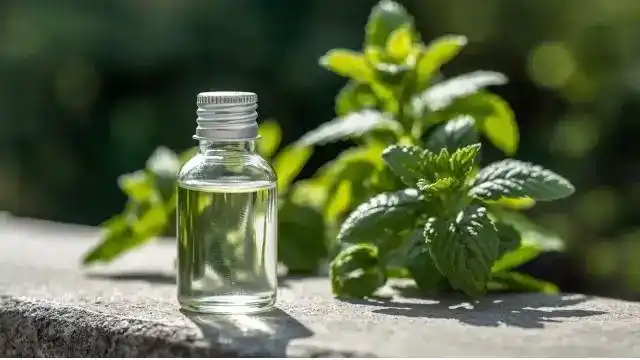
Peppermint essential oil is an aromatic oil steam-distilled from the leaves of peppermint, Mentha x piperita, a perennial herb in the Lamiaceae (mint) family. Native to Europe and Central Asia, peppermint is a natural hybrid of watermint and spearmint and is now cultivated widely for its intensely fresh, menthol-rich aroma and cooling sensation.
Traditionally, peppermint essential oil has been used in aromatherapy and household wellness routines where an uplifting, clarifying, and refreshing aroma is desired. It is commonly added to diffuser blends, diluted massage oils, cooling bath preparations, and chest or temple rubs designed to support a sense of comfort and freshness.
Peppermint essential oil (Mentha × piperita) is a cooling, refreshing oil distilled from the leaves of the peppermint plant, a hybrid mint species in the Lamiaceae family native to Europe and widely cultivated in North America.
Botanical Overview
Botanical name:Mentha x piperita
Family: Lamiaceae (mint family)
Plant type: Perennial aromatic herb
Native region: Europe to Central Asia
Common names: Peppermint, Brandy mint, Balm mint
Aromatic Profile
Peppermint essential oil has a sharp, cool, minty aroma with strong menthol notes and a distinctly fresh, penetrating finish.
Scent family: Minty and herbaceous
Fragrance notes: Crisp, cool, penetrating, and intensely fresh with sweet herbal undertones
Similar to: Spearmint, cornmint, and eucalyptus, though peppermint is typically sharper, cooler, and more menthol-rich
Blending Suggestions
Peppermint essential oil blends especially well with citrus, herbal, and resinous oils that soften its intensity while keeping its bright, refreshing character.
Grounding oils: Frankincense, cedarwood, and cypress
Simple Focus and Freshness Blend
2 drops Peppermint
2 drops Lemon
1 drop Rosemary
This bright diffuser blend is commonly used during work, study, or morning routines when a fresh, clear, and energizing aroma is preferred.
Peppermint essential oil is closely connected to the peppermint plant itself, and readers may also wish to explore the broader botanical profile of peppermint. For related mint-family plants often discussed alongside peppermint, see spearmint and lemon balm.
Common Uses
Aromatherapy: Diffuse in small amounts for a fresh, energizing atmosphere and a clearer-feeling space.
Massage oil (diluted): Add to carrier oils for cooling post-exercise or tension-relief massage blends.
Shower and steam routines: Often included in shower steamers or aromatic shower blends for a brisk, opening aroma.
Bath ritual: Use well diluted in a carrier oil or suitable dispersant for a refreshing bath blend.
Household: Add to room sprays or natural cleaning blends when a sharp, clean mint aroma is desired.
Targeted Uses
Mental clarity: Commonly used in diffuser blends when focus, alertness, or a more refreshed atmosphere is desired.
Muscle comfort: Frequently included in cooling massage blends for tired muscles after physical activity.
Head tension: Often used in very well-diluted temple or neck blends for a cooling, soothing sensation.
Seasonal stuffiness: Commonly diffused in fresh herbal blends to create a clearer-feeling breathing space.
One of peppermint oil’s most distinctive features is its sharp menthol note, which gives it a noticeably brisk profile compared with sweeter mint oils. Because it is highly concentrated and potent on the skin, peppermint essential oil is generally used in small amounts and with careful dilution.
“Peppermint is one of the most valued aromatic herbs, prized for its penetrating scent and refreshing quality.”
— Adapted from traditional herbal reference material
Preparation Methods
Peppermint Essential Oil can be prepared in several ways:
Topical Application
Dilute peppermint essential oil in a carrier oil such as jojoba, sweet almond, or fractionated coconut oil before applying to the skin. A dilution of around 1–2% is usually preferred because peppermint is very strong and produces an intense cooling sensation. Avoid using high dilutions on sensitive areas, and use extra care for facial applications.
Remedies:Coming soon massage blends and cooling body oil recipes with peppermint essential oil.
Diffuser
Peppermint essential oil can be diffused to create a crisp, uplifting atmosphere. Fill your diffuser with water, add about 2–4 drops of peppermint oil, and diffuse for short periods. Because the aroma is powerful, it is often best used in smaller amounts or blended with softer oils such as lavender or lemon.
Remedies:Coming soon diffuser blends with peppermint essential oil.
Bath
For a refreshing bath routine, first mix 2–3 drops of peppermint essential oil into a carrier oil or an appropriate dispersant before adding it to warm bathwater. Never add undiluted peppermint oil directly to the bath, as it can feel too intense on the skin.
Remedies:Cooling bath and shower recipes with peppermint essential oil coming soon.
Shower Steam
A small amount of peppermint essential oil can be added to shower steam blends or shower tablets for a brisk aromatic experience. Use sparingly, as steam can intensify the strength of the oil in enclosed spaces.
Remedies:Coming soon shower steamer recipes with peppermint essential oil.
Safety Considerations
Peppermint essential oil is a potent oil with a strong cooling action, so it is best used carefully and in low dilutions. While widely used in aromatherapy, it is generally considered stronger and more stimulating than many other common oils.
However, extra caution is important because peppermint essential oil may feel intensely cooling and can irritate sensitive skin or airways if overused.
Always dilute before applying to the skin; around 1–2% is often preferred for general topical use.
Avoid contact with eyes, inner ears, mucous membranes, and other very sensitive areas.
Patch test before first topical use, especially on sensitive skin.
Use extra caution around young children, as strong menthol-rich oils may feel too intense near the face or chest.
During pregnancy or breastfeeding, individuals should seek guidance from a qualified healthcare professional before therapeutic use.
Do not use around pets in a confined space; if diffusing, keep the room well ventilated and allow pets to leave freely.
Keep out of reach of children and store securely away from direct heat and light.
This information is for educational purposes only and is not medical advice.
Image Disclaimer: Images are for reference only and should not be used as the sole method of identification. Always confirm identification with a qualified source.
Frequently Asked Questions
What is peppermint essential oil commonly used for?
Peppermint essential oil is commonly used in aromatherapy for freshness, mental clarity, and an energizing atmosphere. It is also often added to diluted massage oils, shower steam blends, and post-exercise body blends for its cooling sensation.
Can peppermint essential oil be applied directly to the skin?
Peppermint essential oil is generally not applied neat because it is very strong and can feel too intense on the skin. It is usually diluted in a carrier oil first, often at around 1–2% for general topical use.
What does peppermint essential oil smell like?
Peppermint essential oil has a sharp, cool, minty aroma with strong menthol notes. Compared with spearmint, it usually smells crisper, more penetrating, and more intensely refreshing.
What essential oils blend well with peppermint?
Peppermint blends well with oils such as lemon, rosemary, lavender, eucalyptus, and frankincense. These pairings can soften peppermint’s intensity while keeping the blend bright, clean, and refreshing.
Is peppermint essential oil safe around pets?
Peppermint essential oil should be used carefully around pets, especially in enclosed spaces. If diffusing, use small amounts, provide good ventilation, and make sure pets can leave the room freely if they wish.
Why does peppermint essential oil feel cooling?
Peppermint essential oil contains naturally occurring menthol-rich compounds that create a strong cooling sensation on the skin and in the air. Because of this, it is usually used in small amounts and with careful dilution.
Peppermint essential oil is an aromatic oil steam-distilled from the leaves of peppermint, Mentha x piperita, a perennial herb in the Lamiaceae (mint) family. Native to Europe and Central Asia, peppermint is a natural hybrid of watermint and spearmint and is now cultivated widely for its intensely fresh, menthol-rich aroma and cooling sensation.
Traditionally, peppermint essential oil has been used in aromatherapy and household wellness routines where an uplifting, clarifying, and refreshing aroma is desired. It is commonly added to diffuser blends, diluted massage oils, cooling bath preparations, and chest or temple rubs designed to support a sense of comfort and freshness.
Peppermint essential oil (Mentha × piperita) is a cooling, refreshing oil distilled from the leaves of the peppermint plant, a hybrid mint species in the Lamiaceae family native to Europe and widely cultivated in North America.
Aromatic Profile
Peppermint essential oil has a sharp, cool, minty aroma with strong menthol notes and a distinctly fresh, penetrating finish.
Scent family: Minty and herbaceous
Fragrance notes: Crisp, cool, penetrating, and intensely fresh with sweet herbal undertones
Similar to: Spearmint, cornmint, and eucalyptus, though peppermint is typically sharper, cooler, and more menthol-rich
Common Uses
Aromatherapy: Diffuse in small amounts for a fresh, energizing atmosphere and a clearer-feeling space.
Massage oil (diluted): Add to carrier oils for cooling post-exercise or tension-relief massage blends.
Shower and steam routines: Often included in shower steamers or aromatic shower blends for a brisk, opening aroma.
Bath ritual: Use well diluted in a carrier oil or suitable dispersant for a refreshing bath blend.
Household: Add to room sprays or natural cleaning blends when a sharp, clean mint aroma is desired.
Targeted Uses
Mental clarity: Commonly used in diffuser blends when focus, alertness, or a more refreshed atmosphere is desired.
Muscle comfort: Frequently included in cooling massage blends for tired muscles after physical activity.
Head tension: Often used in very well-diluted temple or neck blends for a cooling, soothing sensation.
Seasonal stuffiness: Commonly diffused in fresh herbal blends to create a clearer-feeling breathing space.
One of peppermint oil’s most distinctive features is its sharp menthol note, which gives it a noticeably brisk profile compared with sweeter mint oils. Because it is highly concentrated and potent on the skin, peppermint essential oil is generally used in small amounts and with careful dilution.
“Peppermint is one of the most valued aromatic herbs, prized for its penetrating scent and refreshing quality.”
— Adapted from traditional herbal reference material
Preparation Methods
Peppermint Essential Oil can be prepared in several ways:
Topical Application
Dilute peppermint essential oil in a carrier oil such as jojoba, sweet almond, or fractionated coconut oil before applying to the skin. A dilution of around 1–2% is usually preferred because peppermint is very strong and produces an intense cooling sensation. Avoid using high dilutions on sensitive areas, and use extra care for facial applications.
Remedies:Coming soon massage blends and cooling body oil recipes with peppermint essential oil.
Diffuser
Peppermint essential oil can be diffused to create a crisp, uplifting atmosphere. Fill your diffuser with water, add about 2–4 drops of peppermint oil, and diffuse for short periods. Because the aroma is powerful, it is often best used in smaller amounts or blended with softer oils such as lavender or lemon.
Remedies:Coming soon diffuser blends with peppermint essential oil.
Bath
For a refreshing bath routine, first mix 2–3 drops of peppermint essential oil into a carrier oil or an appropriate dispersant before adding it to warm bathwater. Never add undiluted peppermint oil directly to the bath, as it can feel too intense on the skin.
Remedies:Cooling bath and shower recipes with peppermint essential oil coming soon.
Shower Steam
A small amount of peppermint essential oil can be added to shower steam blends or shower tablets for a brisk aromatic experience. Use sparingly, as steam can intensify the strength of the oil in enclosed spaces.
Remedies:Coming soon shower steamer recipes with peppermint essential oil.
Safety Considerations
Peppermint essential oil is a potent oil with a strong cooling action, so it is best used carefully and in low dilutions. While widely used in aromatherapy, it is generally considered stronger and more stimulating than many other common oils.
However, extra caution is important because peppermint essential oil may feel intensely cooling and can irritate sensitive skin or airways if overused.
Always dilute before applying to the skin; around 1–2% is often preferred for general topical use.
Avoid contact with eyes, inner ears, mucous membranes, and other very sensitive areas.
Patch test before first topical use, especially on sensitive skin.
Use extra caution around young children, as strong menthol-rich oils may feel too intense near the face or chest.
During pregnancy or breastfeeding, individuals should seek guidance from a qualified healthcare professional before therapeutic use.
Do not use around pets in a confined space; if diffusing, keep the room well ventilated and allow pets to leave freely.
Keep out of reach of children and store securely away from direct heat and light.
This information is for educational purposes only and is not medical advice.
Image Disclaimer: Images are for reference only and should not be used as the sole method of identification. Always confirm identification with a qualified source.
Frequently Asked Questions
What is peppermint essential oil commonly used for?
Peppermint essential oil is commonly used in aromatherapy for freshness, mental clarity, and an energizing atmosphere. It is also often added to diluted massage oils, shower steam blends, and post-exercise body blends for its cooling sensation.
Can peppermint essential oil be applied directly to the skin?
Peppermint essential oil is generally not applied neat because it is very strong and can feel too intense on the skin. It is usually diluted in a carrier oil first, often at around 1–2% for general topical use.
What does peppermint essential oil smell like?
Peppermint essential oil has a sharp, cool, minty aroma with strong menthol notes. Compared with spearmint, it usually smells crisper, more penetrating, and more intensely refreshing.
What essential oils blend well with peppermint?
Peppermint blends well with oils such as lemon, rosemary, lavender, eucalyptus, and frankincense. These pairings can soften peppermint’s intensity while keeping the blend bright, clean, and refreshing.
Is peppermint essential oil safe around pets?
Peppermint essential oil should be used carefully around pets, especially in enclosed spaces. If diffusing, use small amounts, provide good ventilation, and make sure pets can leave the room freely if they wish.
Why does peppermint essential oil feel cooling?
Peppermint essential oil contains naturally occurring menthol-rich compounds that create a strong cooling sensation on the skin and in the air. Because of this, it is usually used in small amounts and with careful dilution.
Botanical Overview
Botanical name:Mentha x piperita
Family: Lamiaceae (mint family)
Plant type: Perennial aromatic herb
Native region: Europe to Central Asia
Common names: Peppermint, Brandy mint, Balm mint
Blending Suggestions
Peppermint essential oil blends especially well with citrus, herbal, and resinous oils that soften its intensity while keeping its bright, refreshing character.
Grounding oils: Frankincense, cedarwood, and cypress
Simple Focus and Freshness Blend
2 drops Peppermint
2 drops Lemon
1 drop Rosemary
This bright diffuser blend is commonly used during work, study, or morning routines when a fresh, clear, and energizing aroma is preferred.
Peppermint essential oil is closely connected to the peppermint plant itself, and readers may also wish to explore the broader botanical profile of peppermint. For related mint-family plants often discussed alongside peppermint, see spearmint and lemon balm.
The information on this website is for educational purposes only and is not intended as medical advice. Always consult a qualified healthcare professional before using herbs, supplements, or natural products.