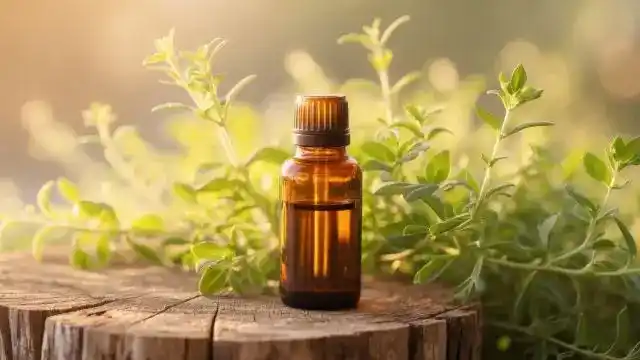

Thyme essential oil is distilled from Thymus vulgaris, an aromatic plant in the Lamiaceae family. Native to Mediterranean region, it is valued for its distinctive scent and the role it plays in blends for powerful diffuser recipes, household aromatic blends, and carefully diluted topical formulas.
Traditionally, this oil has been appreciated where fragrance and atmosphere mattered, and today it is widely used for powerful diffuser recipes, household aromatic blends, and carefully diluted topical formulas. The aroma gives it a clear identity that makes it useful in both diffuser blends and topical aromatherapy formulas.
What makes Thyme distinctive is its sheer herbal force. Even a small amount can give a formula backbone, warmth, and a recognizably traditional herb profile.
There are number of thyme essential oil variants, including Lemon Thyme and Red Thyme.
Essential Oil Overview
Botanical name:Thymus vulgaris
Plant part used: Flowering tops
Extraction method: Steam distillation
Aroma profile: Warm, sharp, herbaceous, and penetrating with a dry savory character and unmistakable aromatic strength.
Brings bold herbal force to cleansing and seasonal blends
Useful in diffuser formulas that need a strong aromatic herb note
Pairs well with lemon, rosemary, and eucalyptus
Adds structure and intensity to traditional-style household blends
Types Available
Thyme red (thymol-rich – hotter, sharper profile)
Thyme white (refined distilled fraction)
Thyme linalool type (softer floral-herb profile)
Lemon thyme (Thymus citriodorus – brighter citrus herb character)
Aromatic Profile
Thyme has a herbal, warm, and penetrating profile built around dry herb, warm spice, sharp green stem, savory leaf, medicinal warmth. In blends, it can either shape the whole formula or act as a strategic accent, depending on dosage and companions.
Try 3 drops Thyme, 2 drops Lemon, 2 drops Rosemary, and 1 drop Eucalyptus in a diffuser for a blend that highlights the best side of this oil.
Common Uses
Powerful diffuser blends for a strong herbal atmosphere
Household-style aromatic formulas with lemon and rosemary
Topical blends in very low dilution when a warm herb note is wanted
Traditional-style room sprays and winter blends
Targeted Uses
Useful when a formula needs real herbal strength rather than softness
Can sharpen sweet citrus blends that feel too gentle
Especially effective in old-fashioned Mediterranean herb accords
Thyme does not whisper in a blend; it gives backbone, heat, and unmistakable herb character.
Mediterranean herbal tradition
Preparation Methods
Topical: Use Thyme topically only in careful dilution and in formulas where its strong aromatic effect is truly needed.
Diffuser: Use Thyme in a diffuser when you want the room to carry its herbal, warm, and penetrating character in a clear and noticeable way.
Bath: For bath use, first combine Thyme with a suitable carrier or dispersant before adding it to water.
Other: It is also useful in room sprays, pulse-point oils, natural perfume, and oil-based home fragrance blends depending on the strength and style of the aroma.
Safety Considerations
Thyme essential oil should be used with thoughtful dilution and moderation, especially because concentrated aromatic oils can affect people very differently depending on the formula and setting.
Follow measured dilution and use this oil with respect for its individual strength and chemistry.
Some thyme types are particularly strong on skin, so very low dilution is often the wisest starting point.
Dilute to about 1-2% for general adult topical use unless a lower level is more appropriate for this oil.
Patch test before broader skin use, especially on sensitive skin or in facial products.
Avoid direct contact with eyes, mucous membranes, and broken or irritated skin.
Pregnant or breastfeeding users, young children, and anyone under medical care should seek professional guidance before use.
Diffuse in moderation around pets and always leave them a way to exit the room.
Store tightly closed, away from heat and direct light, to protect the aroma and stability of the oil.
This information is for educational purposes only and is not medical advice. Essential oils are highly concentrated and should be used carefully, especially for children, during pregnancy, around pets, and on sensitive skin.
Image Disclaimer: Images are for reference only and should not be used as the sole method of identification. Always confirm identification with a qualified source.
Frequently Asked Questions
What does Thyme essential oil smell like?
Thyme essential oil smells warm, sharp, herbaceous, and strongly savory. It is much more concentrated and forceful than the dried herb used in cooking.
Is Thyme essential oil strong?
Yes. Thyme is generally considered a powerful essential oil and is usually used in small amounts, especially in topical blends.
How is Thyme essential oil used?
It is commonly used in diffusers, household aromatic formulas, and carefully diluted topical blends where a bold herbal note is wanted.
What blends well with Thyme essential oil?
Thyme blends especially well with lemon, rosemary, lavender, eucalyptus, and frankincense. These oils can soften it, freshen it, or add depth around it.
Can Thyme essential oil be used on skin?
Only with care and proper dilution. Some thyme types are particularly strong on skin, so patch testing and low dilution are important.
Are there different types of Thyme essential oil?
Yes. Thyme oils can vary by chemotype and distillation style. Some are sharper and hotter, while others, such as linalool-rich forms, are softer and more rounded in scent.
Thyme essential oil is distilled from Thymus vulgaris, an aromatic plant in the Lamiaceae family. Native to Mediterranean region, it is valued for its distinctive scent and the role it plays in blends for powerful diffuser recipes, household aromatic blends, and carefully diluted topical formulas.
Traditionally, this oil has been appreciated where fragrance and atmosphere mattered, and today it is widely used for powerful diffuser recipes, household aromatic blends, and carefully diluted topical formulas. The aroma gives it a clear identity that makes it useful in both diffuser blends and topical aromatherapy formulas.
What makes Thyme distinctive is its sheer herbal force. Even a small amount can give a formula backbone, warmth, and a recognizably traditional herb profile.
There are number of thyme essential oil variants, including Lemon Thyme and Red Thyme.
Aromatic Profile
Thyme has a herbal, warm, and penetrating profile built around dry herb, warm spice, sharp green stem, savory leaf, medicinal warmth. In blends, it can either shape the whole formula or act as a strategic accent, depending on dosage and companions.
Powerful diffuser blends for a strong herbal atmosphere
Household-style aromatic formulas with lemon and rosemary
Topical blends in very low dilution when a warm herb note is wanted
Traditional-style room sprays and winter blends
Targeted Uses
Useful when a formula needs real herbal strength rather than softness
Can sharpen sweet citrus blends that feel too gentle
Especially effective in old-fashioned Mediterranean herb accords
Thyme does not whisper in a blend; it gives backbone, heat, and unmistakable herb character.
Mediterranean herbal tradition
Preparation Methods
Topical: Use Thyme topically only in careful dilution and in formulas where its strong aromatic effect is truly needed.
Diffuser: Use Thyme in a diffuser when you want the room to carry its herbal, warm, and penetrating character in a clear and noticeable way.
Bath: For bath use, first combine Thyme with a suitable carrier or dispersant before adding it to water.
Other: It is also useful in room sprays, pulse-point oils, natural perfume, and oil-based home fragrance blends depending on the strength and style of the aroma.
Safety Considerations
Thyme essential oil should be used with thoughtful dilution and moderation, especially because concentrated aromatic oils can affect people very differently depending on the formula and setting.
Follow measured dilution and use this oil with respect for its individual strength and chemistry.
Some thyme types are particularly strong on skin, so very low dilution is often the wisest starting point.
Dilute to about 1-2% for general adult topical use unless a lower level is more appropriate for this oil.
Patch test before broader skin use, especially on sensitive skin or in facial products.
Avoid direct contact with eyes, mucous membranes, and broken or irritated skin.
Pregnant or breastfeeding users, young children, and anyone under medical care should seek professional guidance before use.
Diffuse in moderation around pets and always leave them a way to exit the room.
Store tightly closed, away from heat and direct light, to protect the aroma and stability of the oil.
This information is for educational purposes only and is not medical advice. Essential oils are highly concentrated and should be used carefully, especially for children, during pregnancy, around pets, and on sensitive skin.
Image Disclaimer: Images are for reference only and should not be used as the sole method of identification. Always confirm identification with a qualified source.
Frequently Asked Questions
What does Thyme essential oil smell like?
Thyme essential oil smells warm, sharp, herbaceous, and strongly savory. It is much more concentrated and forceful than the dried herb used in cooking.
Is Thyme essential oil strong?
Yes. Thyme is generally considered a powerful essential oil and is usually used in small amounts, especially in topical blends.
How is Thyme essential oil used?
It is commonly used in diffusers, household aromatic formulas, and carefully diluted topical blends where a bold herbal note is wanted.
What blends well with Thyme essential oil?
Thyme blends especially well with lemon, rosemary, lavender, eucalyptus, and frankincense. These oils can soften it, freshen it, or add depth around it.
Can Thyme essential oil be used on skin?
Only with care and proper dilution. Some thyme types are particularly strong on skin, so patch testing and low dilution are important.
Are there different types of Thyme essential oil?
Yes. Thyme oils can vary by chemotype and distillation style. Some are sharper and hotter, while others, such as linalool-rich forms, are softer and more rounded in scent.
Essential Oil Overview
Botanical name:Thymus vulgaris
Plant part used: Flowering tops
Extraction method: Steam distillation
Aroma profile: Warm, sharp, herbaceous, and penetrating with a dry savory character and unmistakable aromatic strength.