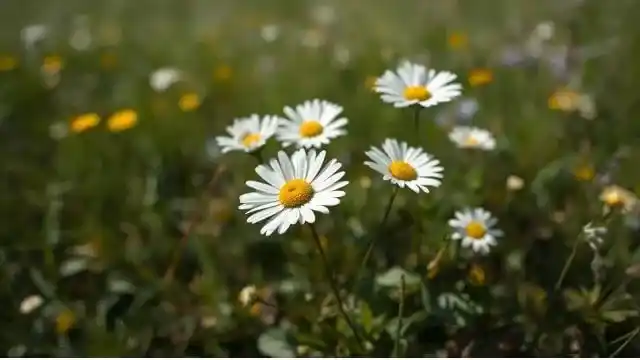
Daisy Benefits & Uses (Bellis perennis)

Common Daisy (Bellis perennis) is a plant in the Asteraceae family traditionally used in herbal practices. This perennial flowering herb herb is native to Europe and has been valued for centuries in traditional herbal preparations.

Historically, common daisy has been included in herbal teas, tinctures, and traditional preparations. Different parts of the plant have been used depending on the herbal tradition and preparation method.

Daisy Benefits and Traditional Uses

Common Daisy has traditionally been used to support:

  • General herbal wellness traditions
  • Digestive comfort
  • Traditional herbal preparations
  • Herbal tonics and teas
  • Historical herbal remedies

Historically, common daisy has appeared in many traditional herbal systems where plants were valued for their role in maintaining general wellbeing.

Common Daisy has long been valued in traditional herbal practice and appears in many historical herbals.

— Traditional herbal reference

Daisy Preparation Methods

Daisy can be prepared in several traditional ways:


Herbal Tea

Fresh or dried daisy flowers and aerial parts may be steeped in hot water to prepare a traditional herbal infusion. Daisy tea has long been used in household herbal preparations and is sometimes described as light and refreshing.

Part of the plant used: Flowers or aerial parts

Tincture

Daisy may be prepared as a traditional alcohol extract using the flowering aerial parts. Tinctures have historically been one of the ways this common garden herb was preserved for later use.

Part of the plant used: Flowers or aerial parts

Infused Oil

Fresh or dried daisy flowers may be infused in oil for traditional external herbal preparations. Daisy-infused oil has long been used as a base for household balms, salves, and ointments.

Part of the plant used: Flowers

Balm or Ointment

Daisy-infused oil may be combined with wax or other base ingredients to create traditional balms or ointments. These kinds of preparations have historically been kept as practical household herbal remedies.

Part of the plant used: Flowers

Poultice

Fresh daisy flowers and leaves may be crushed or softened and applied as a traditional poultice, or used in simple external household herbal preparations.

Part of the plant used: Flowers or leaves

Fresh Culinary Use

Young daisy leaves and flowers are edible and may be added to salads, simple garnishes, and other fresh seasonal dishes in traditional kitchen-garden use.

Part of the plant used: Leaves or flowers

Plant Extract

Daisy flowers may also be processed to produce plant extracts used in modern cosmetic formulations. Extracts of Bellis perennis are sometimes included in skincare products where botanical ingredients are valued for their traditional association with skin care.

Part of the plant used: Flowers


Growing Daisy

This herb grows in a range of garden conditions and is sometimes cultivated in herb gardens.

  • Prefers full sun to partial shade
  • Grows best in well-drained soil
  • Hardiness varies depending on species
  • Can be cultivated in temperate regions of the United States

When grown in suitable conditions, the plant can become well established and may self-seed or spread depending on the species.


Safety Considerations

Common Daisy has a long history of traditional use, however care should always be taken when using herbal plants.

However:

  • Common daisy is generally used gently in traditional practice, but some individuals may experience skin or digestive sensitivity.
  • Because common daisy belongs to the Asteraceae family, individuals sensitive to ragweed, daisies, or chamomile should use caution.
  • Topical preparations may occasionally cause irritation on very sensitive skin, so patch testing is advisable.
  • Internal use in concentrated forms should be approached carefully and in moderation.
  • Pregnant or breastfeeding individuals should consult a qualified healthcare professional before using common daisy preparations.
  • Always consult a qualified healthcare professional before using herbs for health purposes.

This information is provided for educational purposes only and is not medical advice.

Image Disclaimer: Images are for reference only and should not be used as the sole method of identification. Always confirm identification with a qualified source.
Frequently Asked Questions
What is the common daisy used for traditionally?

Common daisy has appeared in traditional European herbal practices and folk remedies.

Are common daisies edible?

Yes. The flowers and young leaves of the common daisy have historically been used in salads and traditional herbal preparations.

Where do common daisies grow in the United States?

Common daisies grow widely across temperate parts of the United States and are often found in lawns, meadows, and gardens.

What part of the daisy plant is used in herbal preparations?

The flowers and leaves are the parts most often used.

Are daisies easy to grow in gardens?

Common daisies are hardy plants that grow easily in many garden conditions and often naturalize in lawns and meadow areas.

What herbs are related to common daisy?

Common daisy belongs to the Asteraceae family, which also includes herbs such as chamomile and calendula.

Common Daisy Flower and Plant Traditional Uses and Benefits

Help Us Improve the Daisy Page

Do you grow, photograph, study, or work with this plant?

If you have an accurate photo, growing experience, traditional use note, identification detail, correction, or useful source to share, we would love to hear from you.

Your contribution may help improve the accuracy, usefulness, and educational value of this page for other readers.


Share a photo, correction, or plant note →

Botanical Overview

  • Botanical name: Bellis perennis
  • Family: Asteraceae
  • Plant type: Flowering plant
  • Native region: Europe
  • Common names: Lawn daisy