

Comfrey Uses & Safety (Symphytum officinale)

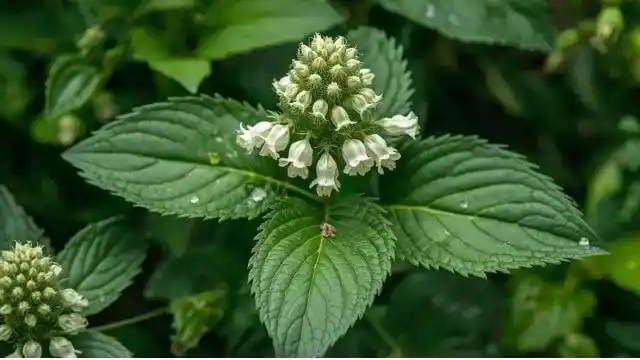
Comfrey refers to a group of perennial plants in the borage family that have long been used in traditional herbal medicine. The most commonly used species is common comfrey (Symphytum officinale), known for its large leaves and clusters of bell-shaped flowers.

Comfrey has a long history of traditional use in herbal preparations, particularly for external applications. The leaves and roots have been valued for centuries in topical herbal remedies and were widely used in traditional European herbal practices.

Comfrey leaves are most often prepared for external use in herbal salves, compresses, and infused oils.

Comfrey Benefits and Traditional Uses

Comfrey has traditionally been used to support:

  • Skin soothing preparations
  • Minor bruises and sprains
  • External herbal compresses
  • Skin conditioning preparations
  • Traditional topical herbal remedies

Historically, comfrey was widely used in European herbal traditions and was sometimes referred to as “knitbone” due to its traditional association with supporting recovery from minor injuries.

Comfrey is often discussed alongside borage in traditional herbal contexts, particularly for topical and skin-related applications where both plants have a long history of use.

“Comfrey is a most useful herb for outward applications and has long been valued in traditional herbal preparations * see Safety Notes.”


Comfrey Preparation Methods

Comfrey can be prepared in several traditional ways:


Infused Oil

Dried comfrey leaves or root may be infused in a carrier oil (such as olive or sunflower oil) over several weeks. The infused oil is widely used in herbal salves and topical preparations.

Part of the plant used: Leaves or root

Salve or Balm

Comfrey infused oil may be combined with beeswax or other thickening ingredients to create herbal balms used for external applications.

Part of the plant used: Leaves or root

Compress

Fresh or dried comfrey leaves may be used to prepare a warm herbal compress applied externally to the skin.

Part of the plant used: Leaves

Poultice

Fresh comfrey leaves or freshly prepared root may be crushed and applied externally as a traditional herbal poultice.

Part of the plant used: Leaves or root


Growing Comfrey

Comfrey is a hardy perennial herb that grows well in a variety of garden conditions and is often cultivated in herb gardens for its vigorous growth.

    • Prefers full sun to partial shade and moist, well-drained soil.

    • Plants are commonly propagated from root cuttings rather than seeds.

    • Comfrey grows as a large leafy plant reaching around 24″ – 48″ (60–120 cm) tall.

    • Leaves can be harvested several times during the growing season once the plant is well established.

Comfrey is a vigorous grower and can spread easily in garden beds once established.


Safety Considerations

Comfrey has a long history of traditional use, however important safety concerns apply, especially regarding internal use.

However:

  • Comfrey contains pyrrolizidine alkaloids, and internal use is often restricted because these compounds may place stress on the liver.
  • Traditional use of comfrey is commonly limited to external applications rather than internal use.
  • Comfrey should not be applied to deep, open, or puncture wounds unless under qualified professional guidance.
  • Some individuals may experience skin irritation with repeated topical use.
  • Pregnant or breastfeeding individuals should consult a qualified healthcare professional before using comfrey preparations.
  • Individuals with liver concerns should use particular caution with comfrey products.

This information is provided for educational purposes only and is not medical advice.

Image Disclaimer: Images are for reference only and should not be used as the sole method of identification. Always confirm identification with a qualified source.
Frequently Asked Questions
What is comfrey traditionally used for?

Comfrey is traditionally used externally in herbal preparations for skin support and topical care. It has a long history of use in poultices, compresses, and infused oils.

Which part of comfrey is used?

Both the leaf and root have traditional use, although the leaf is more commonly used in many household external preparations.

How is comfrey commonly prepared?

Comfrey is commonly prepared as infused oil, salve, cream, poultice, and compress. It is primarily associated with external use.

Is comfrey used internally?

Modern safety guidance generally advises against internal use of comfrey because it contains pyrrolizidine alkaloids. It is best known today as an external herb.

Can comfrey be used in a salve?

Yes, comfrey is a classic herb for infused oils and salves. It is often combined with other topical herbs in traditional external formulas.

Can Comfrey be grown in the United States?

Comfrey grows well in many temperate parts of the United States, especially where the soil stays moist, including the Northeast, Midwest, and Pacific Northwest. It is usually grown in gardens, though older escaped patches may exist, and should only be foraged with confident identification and on clean land.

Comfrey Medicinal Herb

Help Us Improve the Comfrey Page

Do you grow, photograph, study, or work with this plant?

If you have an accurate photo, growing experience, traditional use note, identification detail, correction, or useful source to share, we would love to hear from you.

Your contribution may help improve the accuracy, usefulness, and educational value of this page for other readers.


Share a photo, correction, or plant note →

Botanical Overview

  • Botanical name: Symphytum officinale
  • Family: Boraginaceae (borage family)
  • Plant type: Perennial herb
  • Native region: Europe and parts of Western Asia
  • Common names: Comfrey, common comfrey, knitbone