
Calendula Benefits & Uses (Calendula officinalis)

Calendula (Calendula officinalis) is a flowering plant widely used in herbal preparations, particularly for skin applications. The bright orange and yellow flowers are commonly infused into oils, creams, and balms, and are also used in teas and traditional remedies. This guide explores calendula benefits, uses, preparation methods, and safety considerations.

Calendula officinalis, commonly known as calendula or pot marigold, is a bright orange and yellow flowering plant traditionally used in herbal medicine for skin support and gentle topical care. Native to the Mediterranean region and now widely cultivated around the world, calendula has been valued for centuries in European folk traditions and early American herbal practices.

The resin-rich petals are most commonly infused into oils, creams, and salves. Calendula is also occasionally prepared as a mild tea and used in small culinary applications. Today, it remains one of the most popular herbs in natural skincare formulations.

Calendula Benefits and Traditional Uses

Calendula has traditionally been used to support:

  • Skin comfort and appearance
  • Minor skin irritation care
  • Dry or sensitive skin support
  • Gentle wound cleansing (topical applications)
  • Mild digestive support when prepared as tea

In historical European herbalism, calendula was often used externally in poultices and infused oils. Modern herbalists frequently incorporate calendula into balms, salves, creams, and facial preparations.

Calendula Uses

  • Herbal oils and infused oils
  • Creams, balms, and salves
  • Skin preparations
  • Herbal teas (in some traditions)
  • Traditional botanical preparations

What Is Calendula Used For?

  • Skin applications
  • Herbal oils and balms
  • Teas and infusions
  • Traditional remedies

Calendula Preparation Methods

Calendula can be prepared in several traditional ways:


Infused Oil

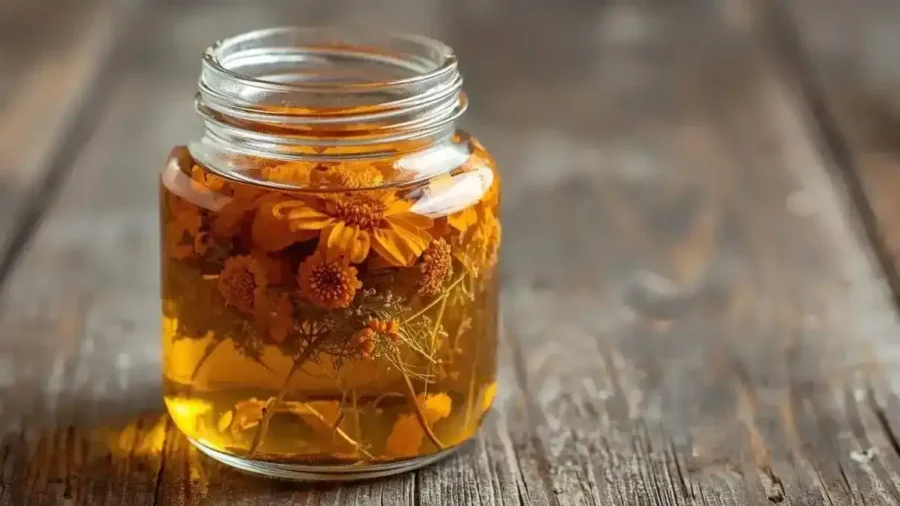
Dried calendula petals are infused in a carrier oil (such as olive or sunflower oil) over several weeks. This infused oil is commonly used in salves, balms, and lotions. See how to make an herbal oil infusion for a step-by-step guide.

Part of the plant used: Flower petals

Salve or Balm

The infused oil is combined with beeswax or other thickeners to create a topical preparation.

Part of the plant used: Flower petals

Tea (Infusion)

Dried petals may be steeped in hot water to create a mild herbal infusion.

Part of the plant used: Flower petals

Tincture

Alcohol extracts may be prepared for concentrated use, though calendula is most commonly used externally.

Part of the plant used: Flower petals

Calendula Flowers Herbal Oil Infusion

Growing Calendula

Calendula is easy to grow in home gardens and thrives in full sun with well-drained soil.

  • Sun: Full sun to partial shade

  • Soil: Moderately fertile, well-drained

  • Bloom season: Spring through fall

  • Harvest: Flowers are harvested when fully open

Regular harvesting encourages continued blooming throughout the growing season.

The Marigold which goes to bed with the sun, And with him rises, weeping.

William Shakespeare (The Winter's Tale)

Safety Considerations

Calendula has a long history of traditional use, however care should always be taken when using herbal plants.

However:

  • Calendula is generally considered gentle, but some individuals may experience skin irritation or sensitivity with topical use.
  • Because calendula belongs to the Asteraceae family, individuals sensitive to ragweed, daisies, or chamomile should use caution.
  • Strong preparations may occasionally cause digestive discomfort in sensitive individuals.
  • Patch testing is advisable before wider topical use, especially on delicate or reactive skin.
  • Pregnant or breastfeeding individuals should consult a qualified healthcare professional before using concentrated calendula preparations.
  • Always consult a qualified healthcare professional before using herbs for health purposes.

This information is provided for educational purposes only and is not medical advice.

Image Disclaimer: Images are for reference only and should not be used as the sole method of identification. Always confirm identification with a qualified source.
Frequently Asked Questions
What is calendula traditionally used for?

Calendula flowers have traditionally been used in herbal preparations for skin care and soothing topical applications. The bright orange or yellow petals are commonly infused into oils, creams, and salves used to support minor skin irritation, dry skin, and gentle skin care routines.

What part of the calendula plant is used in herbal preparations?

The flower heads of calendula are the part most commonly used in herbal preparations. These flowers are harvested and dried before being used in herbal teas, infused oils, tinctures, and topical skin care products.

How is calendula commonly prepared?

Calendula flowers are commonly prepared as an infused oil, herbal tea, tincture, or salve. Infused oil made from calendula petals is widely used in traditional skin care preparations, while calendula tea is sometimes prepared from dried flowers.

Is calendula used for skin care?

Calendula is widely used in herbal skin care products. Infused calendula oil is commonly included in creams, lotions, and balms intended to support dry or sensitive skin and maintain healthy-looking skin.

Can calendula be used as a tea?

Yes. Dried calendula flowers can be steeped in hot water to prepare a mild herbal tea. Calendula tea has traditionally been used in herbal preparations and is sometimes included in herbal blends.

Can calendula be grown in the United States?

Calendula grows easily in many regions of the United States and is commonly cultivated in herb gardens. It prefers full sun and well-drained soil and can be grown in USDA hardiness zones 2–11 as an annual flowering plant.

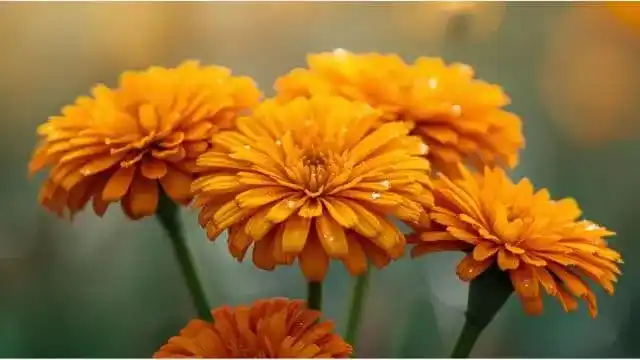
Calendula flower with bright orange petals (Calendula officinalis)

Help Us Improve the Calendula Page

Do you grow, photograph, study, or work with this plant?

If you have an accurate photo, growing experience, traditional use note, identification detail, correction, or useful source to share, we would love to hear from you.

Your contribution may help improve the accuracy, usefulness, and educational value of this page for other readers.


Share a photo, correction, or plant note →

Botanical Overview

  • Botanical name: Calendula officinalis
  • Family: Asteraceae (daisy family)
  • Plant type: Annual flowering herb
  • Native region: Mediterranean
  • Common names: Pot marigold, English marigold